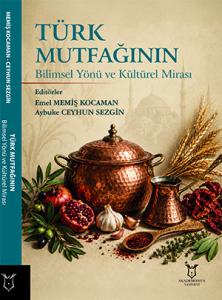
Türk Mutfağında Besin İşleme ve Muhafaza Teknikleri
Synopsis
References
Aktaş, T. (2015). Some applications to retain the quality of fruits and vegetables during drying and storage in Turkey. Japan Journal of Food Engineering, 16(1), 29-36.
Aktaş, K., & Türker, S. (2015). Utilisation of dairy by-products and β-glucan in erişte: Physical, chemical and sensory characteristics of Turkish noodles. Quality Assurance and Safety of Crops & Foods, 7(5), 811-819.
Aksu, M. I., & Kaya, M. (2002). The effect of different curing and drying conditions on pastırma quality. Meat Science, 61(2), 221-226.
Altay, F., Karbancıoğlu-Güler, F., Daskaya-Dikmen, C., & Heperkan, D. (2013). A review on traditional Turkish fermented non-alcoholic beverages: Microbiota, fermentation process and quality characteristics. International Journal of Food Microbiology, 167(1), 44-56.
Altundağ, Ö. Ö. (2024). The functional aspects of spices used in Turkish cuisine. Turkish Journal of Agriculture & Food Science, 2(1), 1-10.
Alçiçek, Z., & Bekcan, S. (2009). Farklı sıvı tütsülerin buzdolabı koşullarında depolanan vakum paketlenmiş gökkuşağı alabalığı filetoları üzerine duyusal kalite açısından etkileri. Ziraat Mühendisliği Dergisi, 353, 19-26.
Adeyeye, S. A. O. (2018). Smoking of fish: A critical review. Journal of Culinary Science & Technology.
Badem, A. (2024). Türk Mutfağında besin işleme yöntemleri ve muhafazası. Anatolia Social Research Journal, 3(1), 17 46.
Binici, H., vd. (2021). The effect of different drying methods on nutritional content and antioxidant activity of Turkish Journal of Agriculture – Food Science and Technology.45(5), 680-689.
Blandino A., Al-Aseeri M., Pandiella S., Cantero D. & Webb C. (2003). Cereal-based fermented foods and beverages. Food research international, 36(6), 527-543.
Bourrie, B. C. T., Willing, B. P., & Cotter, P. D. (2016). The microbiota and health-promoting characteristics of the fermented beverage kefir. Frontiers in Microbiology, 7, 647.
Bozkurt, H. (2009). Properties of fermented sausages prepared with different additives. Meat Science, 83(4), 697-704
Çetin, E., & Çelik, Ç. (2021). Şanlıurfa ilinde perakende olarak satışa sunulan geleneksel yoğurtların kimyasal ve mikrobiyolojik özellikleri. Harran Tarım ve Gıda Bilimleri Dergisi, 25(3), 406-417.
Çoşkun, F. (2017). A traditional Turkish fermented non-alcoholic grape-based beverage, hardaliye. Beverages, 3(1), 2.
Coşkuner, Y., & Karababa, E. (2004). Leblebi: A roasted chickpea product as a traditional Turkish snack food. Food Reviews International, 20(3), 257-274. https://doi.org/10.1081/FRI-200029424
Çınar, İ. (2019). Meyve ve sebzelerin kurutulmasında uygulanan modern yöntemler. Ankara: Eğitim Yayınları.
Dağlıoğlu, O. (2000). Tarhana as a Traditional Turkish Fermented Cereal Food: Its Recipe, Production and Composition. Nahrung / Food, 44(2), 85-88.
Dinçel, E., & Ünver Alçay, A. (2017). Kurut ve Türk Mutfağında kullanımı. Aydın Gastronomy, 1(2), 31-39.
Dirim, S. N., & Çalışkan, G. (2017). Enhancement of the functional properties of home-made style Turkish noodles (erişte) with the addition of fresh mints. Journal of Food Physics, 30, 4-14.
Fitri, N., Handayani, S., Dewi, R., & Syahrul, M. (2022). A comprehensive review on the processing of dried fish. Food Research, 6(5), 255-263.
Dorra, S. T., vd. (2022). Drying behavior of bulgur and its effect on phytochemical content. Foods, 11(4), 582.
Ercoşkun, H. (2023). Strategies for Reducing Salt in Meat Products. DergiPark.
Erdem, N., & Gökmen, S. (2023). Determination of physicochemical, microbiological, and serological properties of pastırma and sucuk from traditional foods produced in Turkey. Nutrition & Food Technologies, 12(4), 1239-1259.
Ertaş, H. (1978). Balıkların soğutma-dondurma ve salamura metodları ile muhafazası. Gıda, 3(6), 237-246.
Erten H., Tangüler H. & Canbaş A. (2008). A Traditional Turkish Lactic Acid Fermented Beverage: Shalgam (Salgam). Food Reviews International, 24(3), 352-359. doi: 10.1080/87559120802089324334.
Evlice, A. K., & Özkaya, H. (2019). Effects of wheat cultivar, cooking method, and bulgur type on the yield and colour properties of bulgur. Quality Assurance and Safety of Crops & Foods, 11(4), 355-362.
Hayta, M. (2002). Bulgur quality as affected by drying methods. Journal of Food Science, 67(6), 2241-2244.
Hastaoglu, E., Kilic, M., & vd. (2018). New approaches to production of Turkish-type dry-cured meat products. Food & Nutrition Research.
Güllüce, M., Şahin, F., & Sokmen, M. (2020). Antimicrobial and antioxidant properties of fenugreek (Trigonella foenum-graecum L.) used in “çemen” paste of Turkish pastirma. Journal of Food Processing and Preservation, 44(6), e14714.
Günaydın, S., Sağlam, C., & Çetin, N. (2022). Tarımsal ürünlerin kurutulmasında kullanılan kurutma yöntemleri. Erciyes Tarım ve Hayvan Bilimleri Dergisi, 5(1), 30–45.
Güzel, E. K. (2021). Determination of some properties of jam and marmalade produced from different blueberry varieties (Vaccinum sp.). Turkish Journal of Agriculture-Food Science and Technology, 9(5), 937-945
Kamber, U. (2008). The Traditional Cheeses of Turkey: Mediterranean Region. Food Reviews International, 24(1), 119-147.
Karababa, E., & Develi Işıklı, N. (2005). Pekmez: A traditional concentrated fruit product. Food Reviews International, 21(4), 357-366.
Karabacak, A. Ö. (2023). Assessment of total phenolic compounds, antioxidant capacity, β-carotene bioaccessibility, HMF formation, and color degradation kinetics in pumpkin pestils. Journal of the Turkish Chemical Society Section A: Chemistry, 10(3), 729-744.
Keskin, E., & Dağ, T. (2020). Identity of cheese: A research on the cheeses of the Aegean Region in Turkey. Journal of Ethnic Foods, 7, 20.
Kılıç, B., & Kaya, M. (2009). Current trends in traditional Turkish meat products and their production technologies. Meat Science, 83(4), 697-704.
Kılıçgün, H., & vd. (2024). Physicochemical, bioactive, microbial, and sensory features of traditional fruit vinegars produced in Turkey. Turkish Journal of Agriculture and Forestry.Vol. 48: No. 6, Article 8.
Kocaman, E.M., & Ersoy, Y. (2007). Geleneksel Gıda Muhafaza Yöntemleri, Conference: 38. ICANAS, Volume: II. 877-892.
Koral, S. (2016). Farklı tuzlama ve depolama tekniklerinin hamsi (Engraulis encrasicolus) balığının besin değerine etkileri. Tarım Bilimleri Araştırma Dergisi, 9(1), 29-36.
Kınık, Ö., Akalın, S., & Gönç, S. (2000). Kımız üretimi ve özellikleri üzerine bir araştırma. Gıda, 25(5), 345-350.
Levent, H., & Algan Cavuldak, Ö. (2021). Geleneksel fermente bir içecek: Boza.
Afyon Kocatepe Üniversitesi Fen ve Mühendislik Bilimleri Dergisi, 21(1), 187-197.
Mefleh, M., Darwish, A. M. G., Mudgil, P., Maqsood, S., & Boukid, F. (2022). Traditional fermented dairy products in Southern Mediterranean countries: From tradition to innovation. Fermentation, 8(12), 743.
Memiş, E., &Ersoy, Y. (2007). Geleneksel Gıda Muhafaza Yöntemleri. ICANAS-38. Uluslararası Asya ve Kuzey Afrika Çalışmaları Kongresi, s.877-892.
Oral, Z. F. Y., & Sallan, S. (2023). Evaluation of quality characteristics of commercial fermented sausages (sucuk and heat-treated sucuk). Turkish Journal of Agricultural-Food Science and Technology, 11(10), 1855-1861.
Özden, A. (2008). Yoğurdun tarihi. Türk Gıda Vakfı Dergisi, 26, 293-302.
Özdemir, S., & Göçmen, D. (2007). A Traditional Turkish Fermented Cereal Food: Tarhana. Food Reviews International, 23(2), 107-121.
Öztürk, H. İ. (2022). Ayran: Traditional drinkable fermented milk product produced by mixing yogurt with water and salt. Gıda, 47(6).
Palamutoğlu, M. İ., Yücel, U., & Güler, Z. (2020). Traditional fermented foods of Turkey: Microbiological characteristics and health effects. Journal of Health Sciences and Research, 2(3), 200-220.
Rahman, M. M., et al. (2023). Techniques of meat preservation: A review. Food Science and Nutrition.
Sağdıç, O., Arıcı, M., & Şimşek, O. (2002). Selection of starters for a traditional Turkish yayık butter made from yoghurt. Food Microbiology, 19(4), 303-312.
Sayiner, F. D., & Beyhan, Ö. (2023). Geleneksel besin saklama yöntemleri ve yeni teknolojiler. Journal of Food and Nutritional Sciences, 5(2), 45-60.
Şanlı, T., Anlı, E A. (2020). Çökelek peyniri üretiminde alternatif kaynak olarak kefir kullanımı. Gıda, 45(1) 139-149.
Tamime, A.Y., & Robinson, R.K. (2007). Tamime and Robinson’s Yoğurt. Sience and Tecnology, 3rd edition, Woodhead Publishing.
Tangüler, H. (2014). Traditional Turkish Fermented Cereal Based Products: Tarhana, Boza and Chickpea Bread. Turkish Journal of Agriculture – Food Science and Technology, 2(3), 144-149.
Tarakçı, Z. (2011). Some properties of Kurut: A traditional fermented dairy product. African Journal of Biotechnology, 10(58), 12365-12370.
Tokatlı, M., Dursun, D., Arslankoz, N., Şanlıbaba, P., & Özçelik, F. (2012). Turşu üretiminde laktik asit bakterilerinin önemi. Akademik Gıda, 10(1), 70-76.
Türk Patent ve Marka Kurumu, (2025). Türk Patent ve Marka Kurumu resmi web sitesi. https://www.turkpatent.gov.tr
Tomar, O., Akarca, G., & İstek, Ö. (2020). Some quality properties of vinegar produced by traditional method from different species of blueberries. Journal of the Institute of Science and Technology, 10(4), 2595–2603.
Ünver Alçay, A., Yalçın, S., Bostan, K., & Dinçel, E. (2015). Orta Asya’dan Anadolu’ya kurutulmuş gıdalar. Anadolu Bil Meslek Yüksekokulu Dergisi, 37, 83-93.
Varlık, C., Erkan, N., & Tunçelli, İ. C. (2024). Geleneksel gıda işleme ve muhafaza yöntemleri: Tuzlama, kurutma, dumanlama ve marinat teknolojileri akuatik kaynaklı gıdalar kapsamında. İstanbul Üniversitesi Yayınevi.
Yalçın, H., & Işık, Ş. (2017). Kefir: Ürün özellikleri ve insan sağlığı üzerine etkileri. Adıyaman Üniversitesi Sağlık Bilimleri Dergisi, 3(2), 464-478.
Yıldız, O. (2013). Traditional fruit-based foods: Pestil and köme production in Turkey. Tübitak Journal of Agriculture and Forestry, 37(3), 555-562.