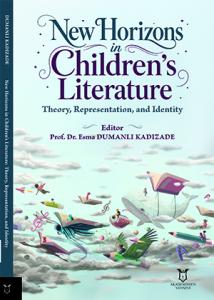
Children’s Literature and Differences
Özet
This book chapter examines inclusive representation in children’s literature through a continuum extending from social diversity to body image. Children’s literature is approached not only as an aesthetic field but also as a pedagogical and cultural space where children construct identity, belonging, and perceptions of difference. The study discusses how representation functions through dimensions such as character visibility, language and narrative choices, thematic structures, and genre preferences. It emphasizes that inclusive representation is not limited to the presence of diverse identities, but also depends on how these identities are positioned within the narrative and whether they are presented through equitable, respectful, and non-stereotypical perspectives. Particular attention is given to body image as an often implicit yet highly influential domain of representation. The chapter analyzes how traditional children’s literature tends to reproduce normative body ideals associated with obedience, conformity, and physical perfection, whereas contemporary children’s literature increasingly normalizes bodily diversity and psychosocial visibility. Through examples from both international and Turkish children’s books, body image is examined across physical, developmental, sensory, and emotional dimensions. Fantasy narratives are also discussed as important spaces where bodily transformation enables children to question fixed norms of identity and embodiment. The findings suggest that inclusive representation supports not only children’s self-recognition and self-worth but also empathy, social awareness, and respect for diversity. Addressing body image from an inclusive perspective contributes to the development of a more pluralistic reading culture and strengthens the role of children’s literature in fostering social inclusion and emotional recognition.
Referanslar
Adam, H., Barratt-Pugh, C., & Haig, Y. (2017). Book collections in long day care: Do they reflect racial diversity?. Australasian Journal of Early Childhood, 42(2), 88-96.
Adam, H. (2021). When authenticity goes missing: How monocultural children’s literature is silencing the voices and contributing to invisibility of children from minority backgrounds. Education Sciences, 11(1), 32.
Arıcı, M. R., & Işıtan, S. (2021). Göç ve mülteci konulu resimli çocuk kitaplarinin incelenmesi. Milli Eğitim Dergisi, 50(1), 683-713.
Arizpe, E. (2021). Migrant shoes and forced walking in children’s literature about refugees: Material testimony and embodied simulation. Migration Studies, 9(3), 1343-1360.
Bacacı Taner, E. (2021). Benim atım farklı. Timaş Yayınları.
Balta, E. E. (2014). Çocuk edebiyatı dairesinde Gülten Dayıoğlu'nun fantastik-bilim kurgusu. Journal of International Social Research, 7(31), 59-67.
Bar-Haim, Y., Ziv, T., Lamy, D., & Hodes, R. M. (2006). Nature and nurture in own-race face processing. Psychological Science, 17(2), 159–163.
Birbeck, D., & Drummond, M. (2006). Very young children's body ımage: Bodies and minds under construction. International Education Journal, 7(4), 423-434.
Bishop, R. S. (1990). Mirrors, windows, and sliding glass doors. Perspectives: Choosing and Using Books for the Classroom, 6(3), ix-xi.
Blaska, J. (2004). Children's literature that includes characters with disabilities or illnesses. Disability Studies Quarterly, 24(1).
Botelho, M. J., & Rudman, M. K. (2009). Critical multicultural analysis of children's literature: Mirrors, windows, and doors. Routledge.
Boutte, G. S., Hopkins, R., & Waklatsi, T. (2008). Perspectives, voices, and worldviews in frequently read children's books. Early education and development, 19(6), 941-962.
Bozkaplan, D. I. (2010). 1990-2008 arası çocuk edebiyatımızda fantastik ve bilim-kurgu romanlar üzerinde bir inceleme [Yayımlanmamış doktora tezi]. Dokuz Eylül Üniversitesi.
Brownell, K. D., & Napolitano, M. A. (1995). Distorting reality for children: Body size proportions of Barbie and Ken dolls. International Journal of Eating Disorders, 18(3), 295-298.
Colby, S. A., & Lyon, A. F. (2004). Heightening awareness about the importance of using multicultural literature. Multicultural Education, 11(3), 24-28.
Çevik, A., & Müldür, M. (2014). Dil eğitiminde çocuk edebiyatı ürünlerinden faydalanma ve çocuk kitapları. Türk Dili Dergisi, 593-602.
Çınaroğlu, A. (2018). Mavi Balon. Kırmızı Kedi Çocuk.
Davies, B. (2003). Shards of Glass. Children reading and writing beyond gendered identity. Hampton Pr; Revised edition.
Davis, A. P., & McDaniel, T. R. (1999). You’ve come a long way, baby--or have you? Research evaluating gender portrayal in recent Caldecott-winning books. Reading Teacher, 52(5), 532.
Dohnt, H. K., & Tiggemann, M. (2005) Peer influences on body dissatisfcation and dieting awareness in young girls. British Journal of Developmental Psychology, 23, 103-116.
Dursun, E., & Eyüp, B. (2021). Mülteci konulu Türkçe ve çeviri çocuk kitaplarında yer alan empati ögelerinin incelenmesi. RumeliDE Dil ve Edebiyat Araştırmaları Dergisi, Ö9, 1-18. https://doi.org/10.29000/rumelide.981488
Dyches, T.T. & Prater, M.A. (2000). Developmental disability in children’s literature: Issues and annotated bibliography. Arlington, VA: Developmental Disabilities of the Council for Exceptional Children.
Faragó, F., Savoy, S., Xu, T., & He, Y. (2023). Body weight representation in children's picturebooks. Contemporary Issues in Early Childhood, 26(2), 189-204.
Gee, JP. (2014). An introduction to discourse analysis: Theory and method, Routledge.
Güler, M., & Kurtuluş, G. (2025). Masaldan sinemaya: Kırmızı Başlıklı Kız ve Hard Candy’de özne ve konum. Folklor/Edebiyat, 31(122), 567-592.
Hansen-Krening, N. (1992). Authors of color: A multicultural perspective. Journal of Reading, 36(2), 124-129.
Harlin, R., & Morgan, H. (2009). Review of research: Gender, racial and ethnic misrepresentation in children's books: A comparative look. Childhood Education, 85(3), 187-190.
Hasırcı Aksoy, S., & Baz, M. A. (2023). Fantastik Türk çocuk edebiyatına eleştirel bir bakış: Aslı Der örneği. RumeliDE Dil ve Edebiyat Araştırmaları Dergisi, 34, 1-17 https://doi.org/10.29000/rumelide.1316117
Henderson, B. (2014). Girls transforming: Invisibility and age-shifting in children's fantasy fiction since the 1970s. International Research in Children's Literature 7(1), 95-97.
Herbozo, S., Tantleff-Dunn, S., Gokee-Larose, J., & Thompson, J. K. (2004). Beauty and thinness messages in children's media: A content analysis. Eating disorders, 12(1), 21-34.
Howrey, S. T. & Whelan-Kim, K. (2009). Building cultural responsiveness in rural, preservice teachers using a multicultural children's literature project. Journal of Early Childhood Teacher Education, 30(2), 123-137. https://doi.org/10.1080/10901020902885661
Hunt, P. (1993). Literature for children: Contemporary criticism, Routledge.
Iwai, Y. (2015). Using multicultural children's literature to teach diverse perspectives. Kappa Delta Pi Record, 51(2), 81-86.
İşler, N. K., & Dedeoğlu, H. (2019). Multicultural children literature in preservice teacher education: Responses through literature circles. International Journal of Progressive Education, 15(4), 130-141.
Kale, M., Hurşidi, S., & Karaboğa, A. B. (2021). Okul öncesi dönemde beden algısı. OPUS International Journal of Society Researches, 17(34), 1408-1435.
Karataş, E. (2014). Çocuk edebiyatında "karakter" kavramı. Muğla Sıtkı Koçman Üniversitesi Sosyal Bilimler Enstitüsü Dergisi, 33, 60-79.
Keats, E. (1962). The snowy day. Penguin.
Kneeskern, E. E., & Reeder, P. A. (2022). Examining the impact of fiction literature on children’s gender stereotypes. Current Psychology, 41(3), 1472-1485.
Kortenhaus, C. M., & Demarest, J. (1993). Gender role stereotyping in children's literature: An update. Sex roles, 28(3), 219-232.
Kuzu Karadağ, S. (2023). Çocuk edebiyatı eserlerinde aile üzerine bir araştırma: aile tipleri, aile içi iletişim ve tutumlar. Çocuk Edebiyat ve Dil Eğitimi Dergisi, 6(2), 122-145. https://doi.org/10.47935/ceded.1345620
Lehtonen, S. (2013). Girls transforming: invisibility and age-shifting in children's fantasy fiction since the 1970s (Vol. 38). McFarland.
Mahmood, A. L. W. S. (2020). Fantasy in children literature. Journal of Arts, Literature, Humanities and Social Sciences, 59, 452-465.
Mikkelsen, N. (1989). Remembering Ezra Jack Keats and The Snowy Day: what makes a children’s book good?. Language Arts, 66(6), 608-624.
Mutlu, H. H., & Set, G. (2021). Kişiler bakımından çeviri çocuk romanları ile yerli çocuk romanlarının karşılaştırılması. Ana Dili Eğitimi Dergisi, 9(4), 1469-1487.
Nalcı, B. (2024). Çocuğa yönelik yazın çevirilerinde toplumsal cinsiyet ögeleri [Yayımlanmamış yüksek lisans tezi]. Sakarya Üniversitesi.
Nikolajeva, M., & Scott, C. (2006). How picturebooks work. Routledge.
Nodelman, P. (2008). The hidden adult: Defining children’s literature. Baltimore: The John Hopkins University Press.
Odabaşı, M. (2025). Breaking stereotypes of disabled characters in children’s literature. Nevşehir Hacı Bektaş Veli Üniversitesi SBE Dergisi, 15(1), 11-23.
Oğuzkan, A. F. (2013). Çocuk edebiyatı. Anı Yayıncılık.
Oral, F. (2019). Farklı ama aynı. Yapı Kredi Yayınları.
Özbaşı, S., & Kalenderoğlu, İ. (2020). Türkçe eğitimi ve çocuk edebiyatında “toplumsal cinsiyet” üzerine yapılmış lisansüstü tezlerin değerlendirilmesi. IBAD Sosyal Bilimler Dergisi, Özel Sayı, 84-94.
Öztürk, B. K., & Destegüloğlu, B. (2022). Çocuk kitaplarının kültürel aktarım açısından incelenmesi. Manisa Celal Bayar Üniversitesi Sosyal Bilimler Dergisi, 20(2), 214-235.
Parejo, J. L., Molina-Fernández, E., & González-Pedraza, A. (2021). Children's narratives on migrant refugees: A practice of global citizenship. London Review of Education, 19(1), n1.
Parr, T. (2009). The family book. Little, Brown Books for Young Readers.
Pekşen, S. (2012). Toplumsal cinsiyet rollerini benimsetme aracı olarak çocuk edebiyatı. Ankara Üniversitesi Dil ve Tarih-Coğrafya Fakültesi Dergisi, 52(2), 151-166. https://izlik.org/JA22KA98WH
Puhl, R. M., & Latner, J. D. (2007). Stigma, obesity, and the health of the nation's children. Psychological bulletin, 133(4), 557-580.
Reese, D. (2018). Language arts lessons: Critical Indigenous literacies: Selecting and Using Children’s books about Indigenous peoples. Language Arts, 95(6), 389-393.
Saki Demirel, A. (2025). Can’t other fair(y) tales be possible? The Eşit masallar series as feminist retranslation. Çeviribilim ve Uygulamaları Dergisi, 39, 174-196. https://doi.org/10.37599/ceviri.1767241
Saxby, G. (2022). Searching for a happily ever after: using fairy tales in primary classrooms to explore gender, subjectivity and the life-worlds of young people. The Australian Journal of Language and Literacy, 45(2), 219-232.
Sever, S. (2013). Çocuk edebiyatı ve okuma kültürü. Tudem Yayınları.
Short, K., & Fox, D. L. (2004). The complexity of cultural authenticity in children’s literature: A critical review. In 53rd yearbook of the National Reading Conference (pp. 373-384). Oak Creek, WI: National Reading Conference.
Sleeter, C. E., & Grant, C. A. (2008). Making choices for multicultural education: Five approaches to race, class and gender. John Wiley & Sons.
Şen, E., & Karagul, S. (2021). A study of secondary school students' perceptions of fictional characters. International Journal of Educational Methodology, 7(3), 433-446.
Şirin, M. R. (2016). Edebiyat ve çocuk edebiyatı edebiyatın amacı ve işlevi. Türk Dili Dergisi, CX 780, 12, 31.
Tekşan, K., Set, G., & Çinpolat, E. (2019). Çocuk kitapları ve idealist kahramanlar. Mehmet Akif Ersoy Üniversitesi Eğitim Fakültesi Dergisi, 51, 241-261.
Terrile, V. C. (2022). Scenes from the class struggle in picture books: Depictions of housing and home in books for young children. Children's Literature in Education, 53(4), 526-546.
Thomas, E. E., Reese, D., & Horning, K. T. (2016). Much ado about a fine dessert: The cultural politics of representing slavery in children’s literature. Journal of Children’s literature, 42(2), 6-17.
Tsao, YL. (2008). Gender issues in young children’s literature. Reading Improvement, 45(3), 108-114.
Tunç, A. ve Akın, E. (2020). Miyase Sertbarut'un çocuk kitaplarında fantastik kurgu. Uluslararası ÇocukEdebiyatı ve Eğitim Araştırmaları Dergisi, 4(1), 45- 53.
Ulun, E. B., & Erdal, K. (2026). Çocuk edebiyatında suriyeli mülteci çocukların temsili: empati ve acıma bağlamında karşılaştırmalı bir inceleme. Uludağ Üniversitesi Fen-Edebiyat Fakültesi Sosyal Bilimler Dergisi, 27(50), 147-166. https://doi.org/10.21550/sosbilder.1768606
Ünal, A., & Yılmaz, O. (2024). Çocuk kitaplarının çokkültürlülük bağlamında yaşam biçimleri açısından incelenmesi. Çocuk Edebiyat ve Dil Eğitimi Dergisi, 7(1), 76-100.
Wedwick, L., & Latham, N. (2013). Socializing young readers: A content analysis of body size images in Caldecott medal winners. Reading Horizons: A Journal of Literacy and Language Arts, 52(4), 3.
Weitzman, L. J., Eifler, D., Hokada, E., & Ross, C. (1972). Sex-role socialization in picture books for preschool children. American Journal of Sociology, 77, 1125-1150. http://dx.doi.org/10.1086/225261
Yokota, J. (1993). Issues in selecting multicultural children’s literature. Language Arts, 70(Multiculturalism and the Language Arts), 156-167.
Zapata, A., King, C., King, L., & Kleekamp, M. (2019). Thinking with race-conscious perspectives: Critically selecting children’s picture books depicting slavery. Multicultural Perspectives, 21(1), 25-32.