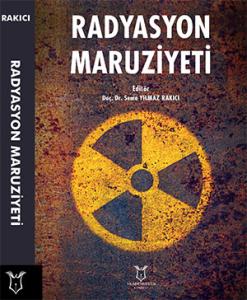
Görüntüleme Yöntemlerinde Radyasyon Maruziyeti
Özet
X-ışınlarının keşfinden bu yana tıbbi görüntüleme yöntemleri tanı ve tedavide devrim yaratmış, ancak artan tetkik sayılarıyla birlikte radyasyon maruziyeti önemli bir halk sağlığı konusu haline gelmiştir. Tıbbi görüntülemede kullanılan iyonizan radyasyon, hücre ölümlerine yol açan doza bağımlı deterministik etkiler ile doz sınırından bağımsız olarak DNA hasarı ve kanser riskini tetikleyen stokastik etkilere neden olabilmektedir. Özellikle yüksek mitotik aktiviteye sahip çocuklar, gençler ve fetüsler radyasyonun zararlı etkilerine karşı çok daha hassastır. Bu süreçte güvenliği artırmak adına "Mümkün Olan En Düşük Doz" (ALARA) prensibi geliştirilmiş ve tetkiklerin titizlikle gerekçelendirilmesi temel amaç edinilmiştir. Son yıllarda gelişen teknolojiler ve artan farkındalık sayesinde kişi başına düşen tıbbi radyasyon dozlarında yaklaşık %20 oranında bir azalma kaydedilmiştir. Sonuç olarak, hem hastaların hem de sağlık çalışanlarının doğru bilgiye erişmesi, gereksiz tetkiklerden kaçınılması ve gerekli işlemlerin en optimize dozlarla güvenle yapılması, radyasyon güvenliğinin en temel yapı taşlarını oluşturmaktadır.
Since the discovery of X-rays, medical imaging methods have revolutionized diagnosis and treatment, but with the increasing number of procedures, radiation exposure has become a significant public health issue. Ionizing radiation used in medical imaging can cause dose-dependent deterministic effects leading to cell necrosis, as well as stochastic effects that trigger DNA damage and cancer risk independently of dose thresholds. Children, young adults, and fetuses, who possess high mitotic activity, are much more sensitive to the harmful effects of radiation. To enhance safety in this process, the "As Low As Reasonably Achievable" (ALARA) principle was developed, making the meticulous justification of examinations a primary objective. In recent years, thanks to advancing technologies and increased awareness, a reduction of approximately 20% has been recorded in medical radiation doses per capita. Consequently, ensuring access to accurate information for both patients and healthcare professionals, avoiding unnecessary examinations, and safely performing required procedures with optimized doses constitute the foundational pillars of radiation safety.
Referanslar
Besim A, Başekim C. (2018). Dr. Esad Feyzi Bey, Türk Radyolojisinin Öncüsü. Eskişehir: Nisan Kitabevi.
Arellano RS, Yang K, Rehani MM. Analysis of patients receiving ≥ 100 mSv during a computed tomography intervention. Eur Radiol, 2021;31(5):3065–70.
Mettler FA, Bhargavan M, Faulkner K, et al. Radiologic and nuclear medicine studies in the United States and worldwide: Frequency, radiation dose, and comparison with other radiation sources - 1950-2007. Radiology. 2009;253(2):520–31.
Mettler FA, Mahesh M, Bhargavan-Chatfield M, et al. Patient exposure from radiologic and nuclear medicine procedures in the United States: Procedure volume and effective dose for the period 2006–2016. Radiology. 2020;295(2):418–27.
Ask EuroSafe Imaging Tips & Tricks Paediatric Imaging Working Group (2018). What Patients Should Know: Radiation Dose in Computed Tomography. (6.02.2022 tarihinde http://www.eurosafeimaging.org/wp/wp-ontent/uploads/2017/09/CT-WG_TipsTricks11_final2.pdf adresinden ulaşılmıştır)
O’Neill S, Glynn D, Murphy KP, et al. An Assessment of the Quality of CT Radiation Dose Information on the Internet. J Am Coll Radiol. 2018;15(1):11–8.
Bastiani L, Paolicchi F, Faggioni L, et al. Patient Perceptions and Knowledge of Ionizing Radiation From Medical Imaging. JAMA Network Open. 2021; 4(10):1–13.
Hobbs JB, Goldstein N, Lind KE, et al. Physician Knowledge of Radiation Exposure and Risk in Medical Imaging. J Am Coll Radiol. 20181;15(1):34–43.
Hirshfeld JW, Ferrari VA, Bengel FM, et al. 2018 ACC/HRS/NASCI/SCAI/SCCT Expert Consensus Document on Optimal Use of Ionizing Radiation in Cardiovascular Imaging: Best Practices for Safety and Effectiveness: A Report of the American College of Cardiology Task Force on Expert Consensus Decision Path. J Am Coll Cardiol, 2018;71(24):e283–351.
Balter S, Hopewell JW, Miller DL, et al. Fluoroscopically Guided Interventional Procedures: A Review of Radiation Effects on Patients’ Skin and Hair 1 REVIEW: Radiation Effects of Fluroscopy-guided Procedures. Radiology, 2010;254(2).
Little MP. Heterogeneity of variation of relative risk by age at exposure in the Japanese atomic bomb survivors. Radiat Environ Biophys, 2009 Aug 27;48(3):253–62.
Vano E, Frija G, Loose R, et al. Dosimetric quantities and effective dose in medical imaging: a summary for medical doctors. Insights Imaging (2021) 12:99.
Pearce MS, Salotti J a., Little MP, et al. Radiation exposure from CT scans in childhood and subsequent risk of leukaemia and brain tumours: A retrospective cohort study. Lancet. 2012;380(9840):499-505.
Modan B, Keinan L, Blumstein T, et al. Cancer following cardiac catheterization in childhood. International Journal of Epidemiology. 2000 Jun;29(3):424-8.
ACR-SPR Practıce Parameter (2018). Imaging Pregnant or Potentially Pregnant Adolescents And Women With Ionizing Radiation (Available from:https://www.acr.org/-/media/acr/files/practice-parameters/pregnant-pts.pdf.)
Center for Devices and Radiological Health U.S. Food and Drug Administration (2010). Initiative to Reduce Unnecessary Radiation Exposure from Medical Imaging. (Available from: https://www.fda.gov/radiation-emitting-products/radiation-safety/initiative-reduce-unnecessary-radiation-exposure-medical-imaging.)
Van den Hof MC. Obstetric Ultrasound Biological Effects and Safety. J Obstet Gynaecol 2018;40(5):627–32.
Sussman BL, Chopra P, Poder L, et al. ACR Appropriateness Criteria® Second and Third Trimester Screening for Fetal Anomaly. J Am Coll Radiol 2021;18(5):S189–98.
Indik JH, Gimbel JR, Abe H, et al. 2017 HRS expert consensus statement on magnetic resonance imaging and radiation exposure in patients with cardiovascular implantable electronic devices. Heart Rhythm 2017;14(7):e97–153.
ACR-SPR Practıce Parameter (2020). The Safe and Optımal Performance of Fetal Magnetic Resonance Imaging. (Available from: https://www.acr.org/-/media/ACR/Files/Practice-Parameters/mr-fetal.pdf).