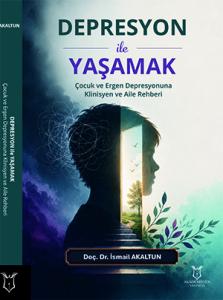
Depresyon ile Yaşamak Çocuk ve Ergen Depresyonuna Klinisyen ve Aile Rehberi
Özet
-
Referanslar
Abramson, L. Y., Metalsky, G. I., & Alloy, L. B. (1989). Hopelessness depression: A theory-based subtype of depression. Psychological Review, 96(2), 358–372. https://doi.org/10.1037/0033-295X.96.2.358
Achenbach, T. M., & Rescorla, L. A. (2000). Manual for the ASEBA Preschool Forms & Profiles. University of Vermont, Research Center for Children, Youth, & Families.
Alsayednasser, B., Widnall, E., O'Mahen, H., Wright, K., Warren, F., Ladwa, A., Kuyken, W., Watkins, E., Ekers, D., & Dunn, B. D. (2022). How well do cognitive behavioural therapy and behavioural activation for depression repair anhedonia? A secondary analysis of the COBRA randomised controlled trial. Behaviour Research and Therapy, 159, Article 104185. https://doi.org/10.1016/j.brat.2022.104185
American Academy of Child and Adolescent Psychiatry [AACAP]. (2001). Practice parameter for the assessment and treatment of children and adolescents with suicidal behavior. Journal of the American Academy of Child & Adolescent Psychiatry, 40(7 Suppl), 24S–51S. https://doi.org/10.1097/00004583-200107001-00003
American Academy of Child and Adolescent Psychiatry [AACAP]. (2011). Practice parameter for the use of atypical antipsychotic medications in children and adolescents. Journal of the American Academy of Child & Adolescent Psychiatry, 50(9), 976–990. https://doi.org/10.1097/CHI.0b013e3181f0e900
American Psychiatric Association. (2022). Diagnostic and statistical manual of mental disorders (5th ed., text rev.). https://doi.org/10.1176/appi.books.9780890425787
Ayas, T., Horzum, M. B., & Baş, Ö. (2019). Predictors of cyberbullying perpetration and victimization among Turkish high school students. International Journal of Progressive Education, 15(2), 87–99. https://doi.org/10.29329/ijpe.2019.189.7
Beck, A. T., Rush, A. J., Shaw, B. F., & Emery, G. (1979). Cognitive therapy of depression. Guilford Press.
Beck, A. T., Steer, R. A., Kovacs, M., & Garrison, B. (1985). Hopelessness and eventual suicide: A 10-year prospective study of patients hospitalized with suicidal ideation. American Journal of Psychiatry, 142(5), 559–563. https://doi.org/10.1176/ajp.142.5.559
Beck, A. T., Weissman, A., Lester, D., & Trexler, L. (1974). The measurement of pessimism: The hopelessness scale. Journal of Consulting and Clinical Psychology, 42(6), 861–865. https://doi.org/10.1037/h0037562
Berridge, K. C., & Kringelbach, M. L. (2015). Pleasure systems in the brain. Neuron, 86(3), 646–664. https://doi.org/10.1016/j.neuron.2015.02.018
Birmaher, B., Ryan, N. D., Williamson, D. E., Brent, D. A., & Kaufman, J. (1996). Childhood and adolescent depression: A review of the past 10 years. Part I. Journal of the American Academy of Child & Adolescent Psychiatry, 35(11), 1427–1439. https://doi.org/10.1097/00004583-199611000-00011
Bowlby, J. (1988). A secure base: Parent-child attachment and healthy human development. Basic Books.
Brent, D. A., Holder, D., Kolko, D., Birmaher, B., Baugher, M., Roth, C., Iyengar, S., & Johnson, B. A. (1997). A clinical psychotherapy trial for adolescent depression comparing cognitive, family, and supportive therapy. Archives of General Psychiatry, 54(9), 877–885. https://doi.org/10.1001/archpsyc.1997.01830210125017
Brent, D. A., Johnson, B. A., Perper, J., Connolly, J., Bridge, J., Bartle, S., & Rather, C. (1993). Personality disorder, personality traits, impulsive violence, and completed suicide in adolescents. Journal of the American Academy of Child & Adolescent Psychiatry, 32(1), 69–75. https://doi.org/10.1097/00004583-199301000-00011
Brent, D., Emslie, G., Clarke, G., Wagner, K. D., Asarnow, J. R., Keller, M., Vitiello, B., Ritz, L., Iyengar, S., Abebe, K., Birmaher, B., Ryan, N., Kennard, B., Hughes, C., DeBar, L., McCracken, J., Strober, M., Suddath, R., Spirito, A., ... Zelazny, J. (2008). Switching to another SSRI or to venlafaxine with or without cognitive behavioral therapy for adolescents with SSRI-resistant depression: The TORDIA randomized controlled trial. JAMA, 299(8), 901–913. https://doi.org/10.1001/jama.299.8.901
Campo, J. V. (2012). Annual research review: Functional somatic symptoms and associated anxiety and depression — developmental psychopathology in pediatric practice. Journal of Child Psychology and Psychiatry, 53(5), 575–592. https://doi.org/10.1111/j.1469-7610.2012.02535.x
Castiglione-Fontanellaz, C. E. G., & Tarokh, L. (2024). Sleep and adolescent depression. Clinical and Translational Neuroscience, 8(1), 3. https://doi.org/10.3390/ctn8010003
Castrén, E., & Rantamäki, T. (2010). The role of BDNF and its receptors in depression and antidepressant drug action: Reactivation of developmental plasticity. Developmental Neurobiology, 70(5), 289–297. https://doi.org/10.1002/dneu.20758
Clark, D. A., & Beck, A. T. (2010). Cognitive therapy of anxiety disorders: Science and practice. Guilford Press.
Clarke, G., & Harvey, A. G. (2012). The complex role of sleep in adolescent depression. Child and Adolescent Psychiatric Clinics of North America, 21(2), 385–400. https://doi.org/10.1016/j.chc.2012.01.006
Coccaro, E. F. (2012). Intermittent explosive disorder as a disorder of impulsive aggression for DSM-5. American Journal of Psychiatry, 169(6), 577–588. https://doi.org/10.1176/appi.ajp.2012.11081259
Compton, S. N., March, J. S., Brent, D., Albano, A. M., Weersing, V. R., & Curry, J. (2004). Cognitive-behavioral psychotherapy for anxiety and depressive disorders in children and adolescents: An evidence-based medicine review. Journal of the American Academy of Child & Adolescent Psychiatry, 43(8), 930–959. https://doi.org/10.1097/01.chi.0000127589.57468.bf
Costello, E. J., Erkanli, A., & Angold, A. (2006). Is there an epidemic of child or adolescent depression? Journal of Child Psychology and Psychiatry, 47(12), 1263–1271. https://doi.org/10.1111/j.1469-7610.2006.01682.x
Cuijpers, P., Geraedts, A. S., van Oppen, P., Andersson, G., Markowitz, J. C., & van Straten, A. (2011). Interpersonal psychotherapy for depression: A meta-analysis. American Journal of Psychiatry, 168(6), 581–592. https://doi.org/10.1176/appi.ajp.2010.10101411
Disner, S. G., Beevers, C. G., Haigh, E. A. P., & Beck, A. T. (2011). Neural mechanisms of the cognitive model of depression. Nature Reviews Neuroscience, 12(8), 467–477. https://doi.org/10.1038/nrn3027
Duffy, F., Sharpe, H., & Schwannauer, M. (2019). Review: The effectiveness of interpersonal psychotherapy for adolescents with depression: A systematic review and meta-analysis. Child and Adolescent Mental Health, 24(4), 307–317. https://doi.org/10.1111/camh.12342
Egger, H. L., & Angold, A. (2006). Common emotional and behavioral disorders in preschool children: Presentation, nosology, and epidemiology. Journal of Child Psychology and Psychiatry, 47(3–4), 313–337. https://doi.org/10.1111/j.1469-7610.2006.01618.x
Eisenberger, N. I., Lieberman, M. D., & Williams, K. D. (2003). Does rejection hurt? An fMRI study of social exclusion. Science, 302(5643), 290–292. https://doi.org/10.1126/science.1089134
Emslie, G. J., Rush, A. J., Weinberg, W. A., Kowatch, R. A., Hughes, C. W., Carmody, T., & Rintelmann, J. (1997). A double-blind, randomized, placebo-controlled trial of fluoxetine in children and adolescents with depression. Archives of General Psychiatry, 54(11), 1031–1037.
Eyberg, S. M., Nelson, M. M., & Boggs, S. R. (2008). Evidence-based psychosocial treatments for children and adolescents with disruptive behavior. Journal of Clinical Child & Adolescent Psychology, 37(1), 215–237. https://doi.org/10.1080/15374410701820117
Ferrari, M., Hunt, C., Harrysunker, A., Abbott, M. J., Beath, A. P., & Einstein, D. A. (2019). Self-compassion interventions and psychosocial outcomes: A meta-analysis of RCTs. Mindfulness, 10, 1455–1473. https://doi.org/10.1007/s12671-019-01134-6
Finning, K., Ukoumunne, O. C., Ford, T., Danielsson-Waters, E., Shaw, L., Romero De Jager, I., Stentiford, L., & Moore, D. A. (2019). The association between child and adolescent depression and poor attendance at school: A systematic review and meta-analysis. Journal of Affective Disorders, 245, 928–938. https://doi.org/10.1016/j.jad.2018.11.055
Foa, E. B., & Kozak, M. J. (1986). Emotional processing of fear: Exposure to corrective information. Psychological Bulletin, 99(1), 20–35. https://doi.org/10.1037/0033-2909.99.1.20
Garber, J., & Weersing, V. R. (2010). Comorbidity of anxiety and depression in youth: Implications for treatment and prevention. Clinical Psychology: Science and Practice, 17(4), 293–306. https://doi.org/10.1111/j.1468-2850.2010.01221.x
Gard, D. E., Gard, M. G., Kring, A. M., & John, O. P. (2006). Anticipatory and consummatory components of the experience of pleasure: A scale development study. Journal of Research in Personality, 40(5), 1086–1102. https://doi.org/10.1016/j.jrp.2005.11.001
Ginsburg, G. S., Kendall, P. C., Sakolsky, D., Compton, S. N., Piacentini, J., Albano, A. M., Walkup, J. T., Sherrill, J., Coffey, K. A., Rynn, M. A., Keeton, C. P., McCracken, J. T., Bergman, L., Iyengar, S., Birmaher, B., & March, J. S. (2011). Remission after acute treatment in children and adolescents with anxiety disorders: Findings from the CAMS. Journal of Consulting and Clinical Psychology, 79(6), 806–813. https://doi.org/10.1037/a0025933
Gordon, M., Sinopoulou, V., Tabbers, M., Rexwinkel, R., de Bruijn, C., Dovey, T., Gasparetto, M., Vanker, H., & Benninga, M. (2022). Psychosocial interventions for the treatment of functional abdominal pain disorders in children: A systematic review and meta-analysis. JAMA Pediatrics, 176(6), 560–568. https://doi.org/10.1001/jamapediatrics.2022.0313
Hallford, D. J., Yeow, J. J. L., Fountas, G., & Bogucki, O. (2024). Targeting anhedonia in adolescents: A single case series of a positive imagery-based early intervention. International Journal of Cognitive Behavioral Therapy, 17(2), 145–168. https://doi.org/10.1007/s41811-024-00202-7
Harter, S. (1999). The construction of the self: A developmental perspective. Guilford Press.
Harvey, A. G. (2008). Insomnia, psychiatric disorders, and the transdiagnostic perspective. Current Directions in Psychological Science, 17(5), 299–303. https://doi.org/10.1111/j.1467-8721.2008.00594.x
Harvey, A. G., Murray, G., Chandler, R. A., & Soehner, A. (2011). Sleep disturbance as transdiagnostic: Consideration of neurobiological mechanisms. Clinical Psychology Review, 31(2), 225–235. https://doi.org/10.1016/j.cpr.2010.08.008
Hazell, P., & Mirzaie, M. (2013). Tricyclic drugs for depression in children and adolescents. Cochrane Database of Systematic Reviews, 2013(6), CD002317. https://doi.org/10.1002/14651858.CD002317.pub2
Heim, C., & Nemeroff, C. B. (2001). The role of childhood trauma in the neurobiology of mood and anxiety disorders: Preclinical and clinical studies. Biological Psychiatry, 49(12), 1023–1039. https://doi.org/10.1016/S0006-3223(01)01157-X
James, A. C., Reardon, T., Soler, A., James, G., & Creswell, C. (2020). Cognitive behavioural therapy for anxiety disorders in children and adolescents. Cochrane Database of Systematic Reviews, 2020(11), CD013162. https://doi.org/10.1002/14651858.CD013162.pub2
Jaycox, L. H., Stein, B. D., Paddock, S., Miles, J. N., Chandra, A., Meredith, L. S., Tanielian, T., & Schell, T. L. (2009). Impact of teen depression on academic, social, and physical functioning. Pediatrics, 124(4), e596–e605. https://doi.org/10.1542/peds.2008-2145
Johnson, J. G., Harris, E. S., Spitzer, R. L., & Williams, J. B. W. (2002). The patient health questionnaire for adolescents: Validation of an instrument for the assessment of mental disorders among adolescent primary care patients. Journal of Adolescent Health, 30(3), 196–204. https://doi.org/10.1016/S1054-139X(01)00333-0
Kandemir, H., Aydemir, Ö., Ekinci, S., Sevinçok, L., Kandemir, S. B., & Özcan, H. (2015). Validity and reliability of the Turkish version of CRAFFT Substance Abuse Screening Test among adolescents. Neuropsychiatric Disease and Treatment, 11, 1505–1509. https://doi.org/10.2147/NDT.S82232
Kendall, P. C. (1994). Treating anxiety disorders in children: Results of a randomized clinical trial. Journal of Consulting and Clinical Psychology, 62(1), 100–110. https://doi.org/10.1037/0022-006X.62.1.100
Kendall, P. C. (Ed.). (2012). Child and adolescent therapy: Cognitive-behavioral procedures (4th ed.). Guilford Press.
Klerman, G. L., Weissman, M. M., Rounsaville, B. J., & Chevron, E. S. (1984). Interpersonal psychotherapy of depression. Basic Books.
Knight, J. R., Sherritt, L., Shrier, L. A., Harris, S. K., & Chang, G. (2002). Validity of the CRAFFT substance abuse screening test among adolescent clinic patients. Archives of Pediatrics & Adolescent Medicine, 156(6), 607–614. https://doi.org/10.1001/archpedi.156.6.607
Kothgassner, O. D., Goreis, A., Robinson, K., Huscsava, M. M., Schmahl, C., & Plener, P. L. (2021). Efficacy of dialectical behavior therapy for adolescent self-harm and suicidal ideation: A systematic review and meta-analysis. Psychological Medicine, 51(7), 1057–1067. https://doi.org/10.1017/S0033291721001355
Kovacs, M. (2011). Children's Depression Inventory 2 (CDI 2): Technical manual. Multi-Health Systems.
Kozlowska, K. (2013). Functional somatic symptoms in childhood and adolescence. Current Opinion in Psychiatry, 26(5), 485–492. https://doi.org/10.1097/YCO.0b013e3283642ca0
Leibenluft, E. (2011). Severe mood dysregulation, irritability, and the diagnostic boundaries of bipolar disorder in youths. American Journal of Psychiatry, 168(2), 129–142. https://doi.org/10.1176/appi.ajp.2010.10050766
Lenze, S. N., Pautsch, J., & Luby, J. (2011). Parent-Child Interaction Therapy Emotion Development: A novel treatment for depression in preschool children. Depression and Anxiety, 28(2), 153–159. https://doi.org/10.1002/da.20770
Liddle, H. A., Dakof, G. A., Parker, K., Diamond, G. S., Barrett, K., & Tejeda, M. (2001). Multidimensional family therapy for adolescent drug abuse: Results of a randomized clinical trial. American Journal of Drug and Alcohol Abuse, 27(4), 651–688. https://doi.org/10.1081/ADA-100107661
Liddle, H. A., Rowe, C. L., Dakof, G. A., Henderson, C. E., & Greenbaum, P. E. (2009). Multidimensional family therapy for young adolescent substance abuse: Twelve-month outcomes of a randomized controlled trial. Journal of Consulting and Clinical Psychology, 77(1), 12–25. https://doi.org/10.1037/a0014160
Lieneman, C. C., Brabson, L. A., Highlander, A., Wallace, N. M., & McNeil, C. B. (2017). Parent–Child Interaction Therapy: Current perspectives. Psychology Research and Behavior Management, 10, 239–256. https://doi.org/10.2147/PRBM.S91200
Lobbestael, J., & Arntz, A. (2010). Emotional, cognitive and physiological correlates of abuse-related stress in borderline and antisocial personality disorder. Behaviour Research and Therapy, 48(2), 116–124. https://doi.org/10.1016/j.brat.2009.09.015
Loose, C., Graaf, P., & Zarbock, G. (2020). Schema therapy with children and adolescents: A practitioner’s guide. Pavilion Publishing.
Luby, J. L. (2010). Preschool depression: The importance of identification of depression early in development. Current Directions in Psychological Science, 19(2), 91–95. https://doi.org/10.1177/0963721410364493
Luby, J. L., Barch, D. M., Whalen, D., Tillman, R., & Freedland, K. E. (2018). A randomized controlled trial of parent-child psychotherapy targeting emotion development for early childhood depression. American Journal of Psychiatry, 175(11), 1102–1110. https://doi.org/10.1176/appi.ajp.2018.18030321
Luby, J. L., Gilbert, K., Whalen, D., Tillman, R., & Barch, D. M. (2020). The differential contribution of the components of Parent-Child Interaction Therapy Emotion Development for treatment of preschool depression. Journal of the American Academy of Child & Adolescent Psychiatry, 59(7), 868–879. https://doi.org/10.1016/j.jaac.2019.07.937
Luby, J. L., Heffelfinger, A. K., Mrakotsky, C., Brown, K. M., Hessler, M. J., Wallis, J. M., & Spitznagel, E. L. (2003). The clinical picture of depression in preschool children. Journal of the American Academy of Child & Adolescent Psychiatry, 42(3), 340–348. https://doi.org/10.1097/00004583-200303000-00015
Luby, J. L., Heffelfinger, A., Koenig-McNaught, A. L., Brown, K., & Spitznagel, E. (2004). The Preschool Feelings Checklist: A brief and sensitive screening measure for depression in young children. Journal of the American Academy of Child & Adolescent Psychiatry, 43(6), 708–717. https://doi.org/10.1097/01.chi.0000121066.29744.08
Luby, J. L., Lenze, S., & Tillman, R. (2012). A novel early intervention for preschool depression: Findings from a pilot randomized controlled trial. Journal of Child Psychology and Psychiatry, 53(3), 313–322. https://doi.org/10.1111/j.1469-7610.2011.02483.x
Lupien, S. J., McEwen, B. S., Gunnar, M. R., & Heim, C. (2009). Effects of stress throughout the lifespan on the brain, behaviour and cognition. Nature Reviews Neuroscience, 10(6), 434–445. https://doi.org/10.1038/nrn2639
March, J., Silva, S., Petrycki, S., Curry, J., Wells, K., Fairbank, J., Burns, B., Domino, M., McNulty, S., Vitiello, B., & Severe, J. (2004). Fluoxetine, cognitive-behavioral therapy, and their combination for adolescents with depression: Treatment for Adolescents With Depression Study (TADS) randomized controlled trial. JAMA, 292(7), 807–820. https://doi.org/10.1001/jama.292.7.807
Marshal, M. P., Dietz, L. J., Friedman, M. S., Stall, R., Smith, H. A., McGinley, J., Thoma, B. C., Murray, P. J., D'Augelli, A. R., & Brent, D. A. (2011). Suicidality and depression disparities between sexual minority and heterosexual youth: A meta-analytic review. Journal of Adolescent Health, 49(2), 115–123. https://doi.org/10.1016/j.jadohealth.2011.02.005
Masi, G., Favilla, L., Millepiedi, S., & Mucci, M. (2000). Somatic symptoms in children and adolescents referred for emotional and behavioral disorders. Psychiatry: Interpersonal and Biological Processes, 63(2), 140–149.
McCarty, C. A., Wymbs, B. T., Mason, W. A., King, K. M., McCauley, E., Baer, J., & Vander Stoep, A. (2013). Early adolescent growth in depression and conduct problem symptoms as predictors of later substance use impairment. Journal of Abnormal Child Psychology, 41(7), 1041–1051. https://doi.org/10.1007/s10802-013-9752-x
McCauley, E., Berk, M. S., Asarnow, J. R., Adrian, M., Cohen, J., Korslund, K., Avina, C., Hughes, J., Harned, M., Gallop, R., & Linehan, M. M. (2018). Efficacy of dialectical behavior therapy for adolescents at high risk for suicide: A randomized clinical trial. JAMA Psychiatry, 75(8), 777–785. https://doi.org/10.1001/jamapsychiatry.2018.1109
McEwen, B. S. (2003). Mood disorders and allostatic load. Biological Psychiatry, 54(3), 200–207. https://doi.org/10.1016/S0006-3223(03)00177-X
Mehlum, L., Tørmoen, A. J., Ramberg, M., Haga, E., Diep, L. M., Laberg, S., Larsson, B. S., Stanley, B. H., Miller, A. L., Sund, A. M., & Grøholt, B. (2014). Dialectical behavior therapy for adolescents with repeated suicidal and self-harming behavior: A randomized trial. Journal of the American Academy of Child & Adolescent Psychiatry, 53(10), 1082–1091. https://doi.org/10.1016/j.jaac.2014.07.003
Merikangas, K. R., He, J.-P., Burstein, M., Swanson, S. A., Avenevoli, S., Cui, L., Benjet, C., Georgiades, K., & Swendsen, J. (2010). Lifetime prevalence of mental disorders in U.S. adolescents: Results from the National Comorbidity Survey Replication–Adolescent Supplement (NCS-A). Journal of the American Academy of Child & Adolescent Psychiatry, 49(10), 980–989. https://doi.org/10.1016/j.jaac.2010.05.017
Miller, A. L., Rathus, J. H., & Linehan, M. M. (2007). Dialectical behavior therapy with suicidal adolescents. Guilford Press.
Miller, W. R., & Rollnick, S. (2013). Motivational interviewing: Helping people change (3rd ed.). Guilford Press.
Moll, J., Zahn, R., de Oliveira-Souza, R., Krueger, F., & Grafman, J. (2005). The neural basis of human moral cognition. Nature Reviews Neuroscience, 6(10), 799–809. https://doi.org/10.1038/nrn1768
Moreau, D., Mufson, L., Weissman, M. M., & Klerman, G. L. (1991). Interpersonal psychotherapy for adolescent depression: Description of modification and preliminary application. Journal of the American Academy of Child & Adolescent Psychiatry, 30(4), 642–651. https://doi.org/10.1097/00004583-199107000-00018
Morin, C. M., Bootzin, R. R., Buysse, D. J., Edinger, J. D., Espie, C. A., & Lichstein, K. L. (2006). Psychological and behavioral treatment of insomnia: Update of the recent evidence (1998–2004). Sleep, 29(11), 1398–1414. https://doi.org/10.1093/sleep/29.11.1398
Mufson, L., Dorta, K. P., Moreau, D., & Weissman, M. M. (2011). Interpersonal psychotherapy for depressed adolescents (2nd ed.). Guilford Press.
Mufson, L., Dorta, K. P., Wickramaratne, P., Nomura, Y., Olfson, M., & Weissman, M. M. (2004). A randomized effectiveness trial of interpersonal psychotherapy for depressed adolescents. Archives of General Psychiatry, 61(6), 577–584. https://doi.org/10.1001/archpsyc.61.6.577
Mufson, L., Moreau, D., Weissman, M. M., Wickramaratne, P., Martin, J., & Samoilov, A. (1994). Modification of interpersonal psychotherapy with depressed adolescents (IPT-A): Phase I and II studies. Journal of the American Academy of Child & Adolescent Psychiatry, 33(5), 695–705. https://doi.org/10.1097/00004583-199406000-00011
Mufson, L., Weissman, M. M., Moreau, D., & Garfinkel, R. (1999). Efficacy of interpersonal psychotherapy for depressed adolescents. Archives of General Psychiatry, 56(6), 573–579. https://doi.org/10.1001/archpsyc.56.6.573
Mychailyszyn, M. P., Elson, D. M., & Silk, J. S. (2018). A meta-analysis of interpersonal psychotherapy for depressed adolescents. Journal of Child and Family Studies, 27, 3171–3183. https://doi.org/10.1007/s10826-018-1166-9
National Institute for Health and Care Excellence. (2013). Social anxiety disorder: Recognition, assessment and treatment (Clinical guideline CG159). NICE. https://www.nice.org.uk/guidance/cg159
National Institute for Health and Care Excellence. (2013). Antisocial behaviour and conduct disorders in children and young people: Recognition and management (Clinical guideline CG158). NICE. https://www.nice.org.uk/guidance/cg158
National Institute for Health and Care Excellence. (2019). Depression in children and young people: Identification and management (NICE guideline NG134). NICE. https://www.nice.org.uk/guidance/ng134
National Institute for Health and Care Excellence. (2022). Self-harm: Assessment, management and preventing recurrence (NICE guideline NG225). NICE. https://www.nice.org.uk/guidance/ng225
Neff, K. D. (2003). Self-compassion: An alternative conceptualization of a healthy attitude toward oneself. Self and Identity, 2(2), 85–101. https://doi.org/10.1080/15298860309032
Neff, K. D., & Germer, C. K. (2013). A pilot study and randomized controlled trial of the mindful self-compassion program. Journal of Clinical Psychology, 69(1), 28–44. https://doi.org/10.1002/jclp.21923
Nock, M. K. (2010). Self-injury. Annual Review of Clinical Psychology, 6, 339–363. https://doi.org/10.1146/annurev.clinpsy.121208.131258
Nock, M. K., Kazdin, A. E., Hiripi, E., & Kessler, R. C. (2006). Prevalence, subtypes, and correlates of DSM-IV conduct disorder in the National Comorbidity Survey Replication. Psychological Medicine, 36(5), 699–710. https://doi.org/10.1017/S0033291706007082
Nolen-Hoeksema, S. (1991). Responses to depression and their effects on the duration of depressive episodes. Journal of Abnormal Psychology, 100(4), 569–582. https://doi.org/10.1037/0021-843X.100.4.569
Nolen-Hoeksema, S., & Girgus, J. S. (1994). The emergence of gender differences in depression during adolescence. Psychological Bulletin, 115(3), 424–443. https://doi.org/10.1037/0033-2909.115.3.424
OECD. (2023). PISA 2022 results (Volume III): Creative minds, creative schools. OECD Publishing. https://doi.org/10.1787/765ee8b8-en
Orben, A., & Przybylski, A. K. (2019). The association between adolescent well-being and digital technology use. Nature Human Behaviour, 3(2), 173–182. https://doi.org/10.1038/s41562-018-0506-1
Pizzagalli, D. A. (2014). Depression, stress, and anhedonia: Toward a synthesis and integrated model. Annual Review of Clinical Psychology, 10, 393–423. https://doi.org/10.1146/annurev-clinpsy-050212-185606
Posner, K., Brown, G. K., Stanley, B., Brent, D. A., Yershova, K. V., Oquendo, M. A., Currier, G. W., Melvin, G. A., Greenhill, L., Shen, S., & Mann, J. J. (2011). The Columbia–Suicide Severity Rating Scale: Initial validity and internal consistency findings from three multisite studies with adolescents and adults. American Journal of Psychiatry, 168(12), 1266–1277. https://doi.org/10.1176/appi.ajp.2011.10111704
Post, R. M. (1992). Transduction of psychosocial stress into the neurobiology of recurrent affective disorder. American Journal of Psychiatry, 149(8), 999–1010. https://doi.org/10.1176/ajp.149.8.999
Pu, J., Zhou, X., Liu, L., Zhang, Y., Yang, L., Yuan, S., Zhang, H., Han, Y., Zou, D., & Xie, P. (2017). Efficacy and acceptability of interpersonal psychotherapy for depression in adolescents: A meta-analysis of randomized controlled trials. Psychiatry Research, 253, 226–232. https://doi.org/10.1016/j.psychres.2017.03.023
Richardson, M., Abraham, C., & Bond, R. (2012). Psychological correlates of university students’ academic performance: A systematic review and meta-analysis. Psychological Bulletin, 138(2), 353–387. https://doi.org/10.1037/a0026838
Roelofs, J., Muris, P., & Lobbestael, J. (2016). Acting and feeling like a vulnerable child, an internalized “bad” parent, or a healthy person: The assessment of schema modes in non-clinical adolescents. Journal of Personality Disorders, 30(4), 469–482.
Rosenberg, M. (1965). Society and the adolescent self-image. Princeton University Press.
Rudd, M. D., Mandrusiak, M., & Joiner, T. E., Jr. (2006). The case against no-suicide contracts: The commitment to treatment statement as a practice alternative. Journal of Clinical Psychology, 62(2), 243–251. https://doi.org/10.1002/jclp.20227
Santos, R. M. S., Mendes, C. G., Bressani, G. Y. S., Ventura, S. A., Nogueira, Y. J. A., Miranda, D. M., & Romano-Silva, M. A. (2023). The associations between screen time and mental health in adolescents: A systematic review. BMC Psychology, 11, 127. https://doi.org/10.1186/s40359-023-01166-7
Segal, Z. V., Williams, J. M. G., & Teasdale, J. D. (2013). Mindfulness-based cognitive therapy for depression (2nd ed.). Guilford Press.
Shapero, B. G., Abramson, L. Y., & Alloy, L. B. (2016). Emotional reactivity and internalizing symptoms: Moderating role of emotion regulation. Cognitive Therapy and Research, 40(3), 328–340. https://doi.org/10.1007/s10608-015-9722-4
Shelby, G. D., Shirkey, K. C., Sherman, A. L., Beck, J. E., Haman, K., Shears, A. R., Horst, S. N., Smith, C. A., Garber, J., & Walker, L. S. (2013). Functional abdominal pain in childhood and long-term vulnerability to anxiety disorders. Pediatrics, 132(3), 475–482. https://doi.org/10.1542/peds.2012-2191
Silver, J., Carlson, G. A., Olino, T. M., Perlman, G., Dougherty, L. R., Klein, D. N., & Bufferd, S. J. (2021). Reliability and validity of Preschool Feelings Checklist. Journal of Psychopathology and Behavioral Assessment, 43, 120–131. https://doi.org/10.1007/s10862-020-09842-5
Snaith, R. P., Hamilton, M., Morley, S., Humayan, A., Hargreaves, D., & Trigwell, P. (1995). A scale for the assessment of hedonic tone: The Snaith–Hamilton Pleasure Scale. British Journal of Psychiatry, 167(1), 99–103. https://doi.org/10.1192/bjp.167.1.99
Stallard, P. (2005). A clinician's guide to Think Good-Feel Good: Using CBT with children and young people. John Wiley & Sons.
Stanley, B., & Brown, G. K. (2012). Safety Planning Intervention: A brief intervention to mitigate suicide risk. Cognitive and Behavioral Practice, 19(2), 256–264. https://doi.org/10.1016/j.cbpra.2011.01.001
Stanley, B., Brown, G. K., Brenner, L. A., Galfalvy, H. C., Currier, G. W., Knox, K. L., Chaudhury, S. R., Bush, A. L., & Green, K. L. (2018). Comparison of the Safety Planning Intervention with follow-up vs usual care of suicidal patients treated in the emergency department. JAMA Psychiatry, 75(9), 894–900. https://doi.org/10.1001/jamapsychiatry.2018.1776
Stanley, B., Brown, G., Brent, D. A., Wells, K., Poling, K., Curry, J., Kennard, B. D., Wagner, A., Cwik, M. F., Klomek, A. B., Goldstein, T., Vitiello, B., Barnett, S., Daniel, S., & Hughes, J. (2009). Cognitive-behavioral therapy for suicide prevention (CBT-SP): Treatment model, feasibility, and acceptability. Journal of the American Academy of Child & Adolescent Psychiatry, 48(10), 1005–1013. https://doi.org/10.1097/CHI.0b013e3181b5dbfe
Stringaris, A., & Goodman, R. (2009). Longitudinal outcome of youth irritability. Journal of the American Academy of Child & Adolescent Psychiatry, 48(4), 404–412. https://doi.org/10.1097/CHI.0b013e3181984f44
Sullivan, P. F., Neale, M. C., & Kendler, K. S. (2000). Genetic epidemiology of major depression: Review and meta-analysis. American Journal of Psychiatry, 157(10), 1552–1562. https://doi.org/10.1176/appi.ajp.157.10.1552
Tangney, J. P., & Dearing, R. L. (2002). Shame and guilt. Guilford Press.
Terman, M., & Terman, J. S. (2005). Light therapy for seasonal and nonseasonal depression: Efficacy, protocol, safety, and side effects. CNS Spectrums, 10(8), 647–663. https://doi.org/10.1017/S1092852900019611
Tilghman-Osborne, C., Cole, D. A., & Felton, J. W. (2010). Definition and measurement of guilt: Implications for clinical research and practice. Clinical Psychology Review, 30(5), 536–546. https://doi.org/10.1016/j.cpr.2010.03.007
Ttofi, M. M., & Farrington, D. P. (2011). Effectiveness of school-based programs to reduce bullying: A systematic and meta-analytic review. Journal of Experimental Criminology, 7(1), 27–56. https://doi.org/10.1007/s11292-010-9109-1
Twenge, J. M., Joiner, T. E., Rogers, M. L., & Martin, G. N. (2018). Increases in depressive symptoms, suicide-related outcomes, and suicide rates among U.S. adolescents after 2010 and links to increased new media screen time. Clinical Psychological Science, 6(1), 3–17. https://doi.org/10.1177/2167702617723376
U.S. Food and Drug Administration. (2012). Celexa (citalopram hydrobromide): Drug safety communication - revised recommendations, potential risk of abnormal heart rhythms. https://www.fda.gov/
U.S. Food and Drug Administration. (2017a). Escitalopram prescribing information. https://www.accessdata.fda.gov/
U.S. Food and Drug Administration. (2017b). Fluoxetine prescribing information. https://www.accessdata.fda.gov/
U.S. Food and Drug Administration. (2018). Suicidality in children and adolescents being treated with antidepressant medications. https://www.fda.gov/
van Aswegen, T., & Samartzi, E. (2023). Effectiveness of family-based therapy for depressive symptoms in children and adolescents: A systematic review and meta-analysis. International Journal of Psychology, 58(6), 499–511. https://doi.org/10.1002/ijop.12926
Walkup, J. T., Albano, A. M., Piacentini, J., Birmaher, B., Compton, S. N., Sherrill, J. T., Ginsburg, G. S., Rynn, M. A., McCracken, J., Waslick, B., Iyengar, S., March, J. S., & Kendall, P. C. (2008). Cognitive behavioral therapy, sertraline, or a combination in childhood anxiety. The New England Journal of Medicine, 359(26), 2753–2766. https://doi.org/10.1056/NEJMoa0804633
Walter, H. J., Abright, A. R., Bukstein, O. G., Diamond, J., Keable, H., Ripperger-Suhler, J., & Rockhill, C. (2023). Clinical practice guideline for the assessment and treatment of children and adolescents with major and persistent depressive disorders. Journal of the American Academy of Child & Adolescent Psychiatry, 62(5), 479–502. https://doi.org/10.1016/j.jaac.2022.10.001
Waraan, L., Siqveland, J., Hanssen-Bauer, K., Czjakowski, N. O., Axelsdóttir, B., Mehlum, L., & Aalberg, M. (2023). Family therapy for adolescents with depression and suicidal ideation: A systematic review and meta-analysis. Clinical Child Psychology and Psychiatry, 28(2), 831–849. https://doi.org/10.1177/13591045221125005
Webb, C. A., Murray, L., Tierney, A. O., & Gates, K. M. (2024). Dynamic processes in behavioral activation therapy for anhedonic adolescents: Modeling common and patient-specific relations. Journal of Consulting and Clinical Psychology, 92(8), 454–465. https://doi.org/10.1037/ccp0000830
Webb, C. A., Murray, L., Tierney, A. O., Forbes, E. E., & Pizzagalli, D. A. (2023). Reward-related predictors of symptom change in behavioral activation therapy for anhedonic adolescents: A multimodal approach. Neuropsychopharmacology, 48(4), 623–632. https://doi.org/10.1038/s41386-022-01481-4
Weissman, M. M., Markowitz, J. C., & Klerman, G. L. (2018). The guide to interpersonal psychotherapy: Updated and expanded edition. Oxford University Press.
Weissman, M. M., Wickramaratne, P., Nomura, Y., Warner, V., Pilowsky, D., & Verdeli, H. (2006). Offspring of depressed parents: 20 years later. American Journal of Psychiatry, 163(6), 1001–1008. https://doi.org/10.1176/ajp.2006.163.6.1001
Weisz, J. R., & Kazdin, A. E. (Eds.). (2010). Evidence-based psychotherapies for children and adolescents (2nd ed.). Guilford Press.
Wickersham, A., Sugg, H. V. R., Epstein, S., Stewart, R., Ford, T., & Downs, J. (2021). Systematic review and meta-analysis: The association between child and adolescent depression and later educational attainment. Journal of the American Academy of Child & Adolescent Psychiatry, 60(1), 105–118. https://doi.org/10.1016/j.jaac.2020.10.008
Widnall, E., Tilling, K., Winstone, L., MacNeill, S., Bonnett, L., & Kidger, J. (2024). Is behavioural activation an effective treatment for depression in children and adolescents? An updated systematic review and meta-analysis. European Child & Adolescent Psychiatry, 33(12), 4133–4156. https://doi.org/10.1007/s00787-024-02429-3
Wood, J. J., McLeod, B. D., Piacentini, J. C., & Sigman, M. (2009). One-year follow-up of family versus child CBT for anxiety disorders: Exploring the roles of child age and parental intrusiveness. Child Psychiatry & Human Development, 40(2), 301–316. https://doi.org/10.1007/s10578-009-0127-z
World Health Organization & UNICEF. (2023). Early Adolescent Skills for Emotions (EASE): Group psychological help for young adolescents impaired by distress and their caregivers. World Health Organization.
Young, J. E., Klosko, J. S., & Weishaar, M. E. (2003). Schema therapy: A practitioner's guide. Guilford Press.
Young, J. F., Mufson, L., & Gallop, R. (2010). Preventing depression: A randomized trial of interpersonal psychotherapy-adolescent skills training. Depression and Anxiety, 27(5), 426–433. https://doi.org/10.1002/da.20664
Zahn, R., Lythe, K. E., Gethin, J. A., Green, S., Deakin, J. F. W., Young, A. H., & Moll, J. (2015). The role of self-blame and worthlessness in the psychopathology of major depressive disorder. Journal of Affective Disorders, 186, 337–341. https://doi.org/10.1016/j.jad.2015.08.001
Zero to Three. (2016). DC:0–5: Diagnostic classification of mental health and developmental disorders of infancy and early childhood. Zero to Three Press.
Zheng, K., Xu, H., Qu, C., Sun, X., Xu, N., & Sun, P. (2023). The effectiveness of Interpersonal Psychotherapy-Adolescent Skills Training for adolescents with depression: A systematic review and meta-analysis. Frontiers in Psychiatry, 14, 1147864. https://doi.org/10.3389/fpsyt.2023.1147864
Zuckerbrot, R. A., Cheung, A., Jensen, P. S., Stein, R. E. K., Laraque, D., & GLAD-PC Steering Group. (2018). Guidelines for adolescent depression in primary care (GLAD-PC): Part I. Practice preparation, identification, assessment, and initial management. Pediatrics, 141(3), e20174081. https://doi.org/10.1542/peds.2017-4081
Öztop, D. B., Efendi, G. Y., Uytun, M. C., Yürümez, E., Konsuk Ünlü, H., Ayıdağa, E. A., Çakıroğlu, M., Günaydın, M., Alkan, B., & Aktaş Altunay, S. (2024). The validity and reliability of preschool age psychiatric assessment (PAPA) in Turkish population. Asian Journal of Psychiatry, 91, 103837. https://doi.org/10.1016/j.ajp.2023.103837
Baglioni, C., Battagliese, G., Feige, B., Spiegelhalder, K., Nissen, C., Voderholzer, U., Lombardo, C., & Riemann, D. (2011). Insomnia as a predictor of depression: A meta-analytic evaluation of longitudinal epidemiological studies. Journal of Affective Disorders, 135(1–3), 10–19. https://doi.org/10.1016/j.jad.2011.01.011
Yayınlanan
Lisans
LisansBu İnternet Sitesi içeriğinde yer alan tüm eserler (yazı, resim, görüntü, fotoğraf, video, müzik vb.) Akademisyen Kitabevine ait olup, 5846 sayılı Fikir ve Sanat Eserleri Kanunu ve 5237 sayılı Türk Ceca Kanunu kapsamında korunmaktadır. Bu hakları ihlal eden kişiler, 5846 sayılı Fikir ve Sanat eserleri Kanunu ve 5237 sayılı Türk Ceza Kanununda yer alan hukuki ve cezai yaptırımlara tabi olurlar. Yayınevi ilgili yasal yollara başvurma hakkına sahiptir.
