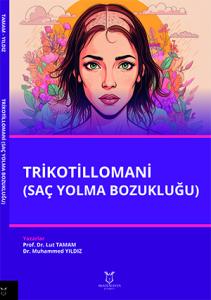
Trikotillomani (Saç Yolma Bozukluğu)
Özet
Referanslar
Ahmed, M., Habib, M., Memon, H., Ahmad, R.R., & Chaudhary, M.A. (2024). Trichotillomania, Trichophagia and Trichobezoar in a male paediatric patient: A case report and literature review. International Journal of Surgery Case Reports, 117, 109520.
Ali, A., Ioannidis, K., Grant, J.E., & Chamberlain, S.R. (2024). Cognition in Trichotillomania: A meta-analysis. CNS Spectrums, 29(3), 158-165.
Ankad, B.S., Naidu, M.V., Beergouder, S.L., & Sujana, L. (2014). Trichoscopy in Trichotillomania: A useful diagnostic tool. International Journal of Trichology, 6(4), 160-163.
APA. (2013). Diagnostic and statistical manual of mental disorders, 5th edition (DSM-5). Washington, DC, American Psychiatric Association.
Azrin, N.H., & Nunn, R.G. (1973). Habit-reversal: A method of eliminating nervous habits and tics. Behaviour Research and Therapy, 11(4), 619-628.
Bakhshani, N.M. (2014). Impulsivity: A predisposition toward risky behaviors. International Journal of High Risk Behaviors & Addiction, 3(2), e20428.
Banafshi, Z., & Khatony, A. (2025). Exploring the lived experiences of individuals with Trichotillomania: A descriptive phenomenological study. BMC Psychology, 13(1), 1040.
Barber, K.E., & Lee, H.J. (2024). Executive functioning in Trichotillomania and Skin Picking Disorder: A review of neurocognitive findings. Journal of Obsessive-Compulsive and Related Disorders, 100919.
Bennett, L.P., & Ryznar, R. (2024). A review of behavioral and pharmacological treatments for adult Trichotillomania. Psychology International, 6(2), 509-530.
Bergfeld, W., Mulinari‐Brenner, F., McCarron, K., & Embi, C. (2002). The combined utilization of clinical and histological findings in the diagnosis of Trichotillomania. Journal of Cutaneous Pathology, 29(4), 207-214.
Bloch, M.H., Landeros-Weisenberger, A., Dombrowski, P., Kelmendi, B., Wegner, R., Nudel, J., ... & Coric, V. (2007). Systematic review: Pharmacological and behavioral treatment for Trichotillomania. Biological Psychiatry, 62(8), 839-846.
Bloch, M.H., Panza, K.E., Grant, J.E., Pittenger, C., Leckman, J.F. (2013). N-Acetylcysteine in the treatment of pediatric Trichotillomania: A randomized, double-blind, placebo-controlled add-on trial. Journal of the American Academy of Child & Adolescent Psychiatry, 52(3), 231-240.
Bohne, A., Savage, C.R., Deckersbach, T., Keuthen, N.J., Jenike, M.A., Tuschen-Caffier, B., & Wilhelm, S. (2005). Visuospatial abilities, memory, and executive functioning in Trichotillomania and Obsessive-Compulsive Disorder. Journal of Clinical and Experimental Neuropsychology, 27(4), 385-399.
Bohne, A., Savage, C.R., Deckersbach, T., Keuthen, N.J., & Wilhelm, S. (2008). Motor inhibition in Trichotillomania and Obsessive–Compulsive Disorder. Journal of Psychiatric Research, 42(2), 141-150.
Bondade, S., Hosthota, A., Bindushree, R., & Raj, P.R. (2022). Psychodermatology: An evolving paradigm. Dermatologica Sinica, 40(2), 71-77.
Bottesi, G., Ouimet, A.J., Cerea, S., Granziol, U., Carraro, E., Sica, C., & Ghisi, M. (2020). Comprehensive behavioral therapy of Trichotillomania: A multiple-baseline single-case experimental design. Frontiers in Psychology, 11, 1210.
Brennan, E., Francazio, S., Gunstad, J., & Flessner, C. (2016). Inhibitory control in pediatric Trichotillomania (Hair Pulling Disorder): The importance of controlling for age and symptoms of inattention and hyperactivity. Child Psychiatry & Human Development, 47, 173-182.
Brennan, E., Woods, D.W., Franklin, M.E., Keuthen, N., Piacentini, J., & Flessner, C.A. (2017). The role body-esteem plays in impairment associated with hair-pulling and skin picking in adolescents. Journal of Obsessive-Compulsive and Related Disorders, 12, 46-51.
Brown, G.E., Malakouti, M., Sorenson, E., Gupta, R., & Koo, J.Y. (2015). Psychodermatology. Advances in psychosomatic medicine, 34, 123-134.
Capel, L.K., Woolley, M.G., & Twohig, M.P. (2024). Psychosocial treatment of Trichotillomania: A review. Cognitive and Behavioral Practice. Elsevier Ltd.
Carlson, E.J., Malloy, E.J., Brauer, L., Golomb, R.G., Grant, J.E., Mansueto, C.S., & Haaga, D.A. (2021). Comprehensive behavioral (ComB) treatment of Trichotillomania: A randomized clinical trial. Behavior Therapy, 52(6), 1543-1557.
Carr, J.R., Sholevar, E.H., & Baron, D.A. (2006). Trichotillomania and Trichobezoar: A clinical practice insight with report of illustrative case. Journal of Osteopathic Medicine, 106(11), 647-652.
Chamberlain, S.R., Blackwell, A.D., Fineberg, N.A., Robbins, T.W., & Sahakian, B.J. (2006b). Strategy implementation in Obsessive–Compulsive Disorder and Trichotillomania. Psychological Medicine, 36(1), 91-97.
Chamberlain, S.R., Fineberg, N.A., Blackwell, A.D., Clark, L., Robbins, T.W., & Sahakian, B.J. (2007). A neuropsychological comparison of Obsessive-Compulsive Disorder and Trichotillomania. Neuropsychologia, 45(4), 654-662.
Chamberlain, S.R., Fineberg, N.A., Blackwell, A.D., Robbins, T.W., & Sahakian, B.J. (2006a). Motor inhibition and cognitive flexibility in Obsessive-Compulsive Disorder and Trichotillomania. American Journal of Psychiatry, 163(7), 1282-1284.
Chamberlain, S.R., Menzies, L.A., Fineberg, N.A., Del Campo, N., Suckling, J., Craig, K., ... & Sahakian, B.J. (2008). Grey matter abnormalities in Trichotillomania: Morphometric magnetic resonance imaging study. The British Journal of Psychiatry, 193(3), 216-221.
Chamberlain, S.R., Odlaug, B.L., Boulougouris, V., Fineberg, N.A., & Grant, J.E. (2009). Trichotillomania: Neurobiology and treatment. Neuroscience & Biobehavioral Reviews, 33(6), 831-842.
Chen, D., Farhat, L.C., Lebowitz, E.R., Silverman, W.K., Bloch, M.H., Fernandez, T.V., & Olfson, E. (2025). Investigating the familiality of trichotillomania and excoriation disorder. Psychiatry Research, 116560.
Cheyne, J.E., de Bolger, A.D.P., & Wootton, B.M. (2018). Reliability and validity of the Trichotillomania Dimensional Scale (TTM-D). Journal of Obsessive-Compulsive and Related Disorders, 19, 61-65.
Christenson, G.A. (1995). Trichotillomania: From prevalence to comorbidity. Psychiatric Times, 12(9), 44-48.
Christenson, G.A., Chernoff-Clementz, E., & Clementz, B.A. (1992). Personality and clinical characteristics in patients with Trichotillomania. The Journal of Clinical Psychiatry, 53(11), 407-413.
Christenson, G.A., Crow, S.J., Mitchell, J.E., Mackenzie, T.B., Crosby, R.D., & Falls, J. (1998). Fluvoxamine in the treatment of Trichotillomania: An 8-week, open-label study. CNS Spectrums, 3(9), 64-71.
Christenson, G.A., MacKenzie, T.B., & Mitchell, J.E. (1994). Adult men and women with Trichotilomania: A comparison of male and female characteristics. Psychosomatics, 35(2), 142-149.
Christenson, G.A., Mackenzie, T.B., Mitchell, J.E., Callies, A.L. (1991). A placebo-controlled, double-blind crossover study of fluoxetine in Trichotillomania. The American Journal of Psychiatry, 148(11), 1566-1571.
Cisoń, H., Kuś, A., Popowicz, E., Szyca, M., & Reich, A. (2018). Trichotillomania and Trichophagia: Modern diagnostic and therapeutic methods. Dermatology and Therapy, 8, 389-398.
Comertoglu Arslan, S., Uzun Cicek, A., Ucuz, I., & Dogru, H. (2022). Sociodemographic variables, clinical characteristics, and treatments in children with Trichotillomania in terms of age and gender: A multicenter study. Nordic Journal of Psychiatry, 77(1), 36-45.
Crisp, Z.C., & Grant, J. (2025). Dissociation in Skin Picking Disorder and Trichotillomania. Frontiers in Psychiatry, 16, 1490785.
Crosby, J.M., Dehlin, J.P., Mitchell, P.R., & Twohig, M.P. (2012). Acceptance and Commitment Therapy and habit reversal training for the treatment of Trichotillomania. Cognitive and Behavioral Practice, 19(4), 595-605.
Coetzer, R., & Stein, D.J. (1999). Neuropsychological measures in women with Obsessive-Compulsive Disorder and Trichotillomania. Psychiatry and Clinical Neurosciences, 53(3), 413-415.
Crowe, E., Staiger, P.K., Bowe, S.J., Rehm, I., Moulding, R., Herrick, C., & Hallford, D.J. (2024). The association between Trichotillomania symptoms and emotion regulation difficulties: A systematic review and meta-analysis. Journal of Affective Disorders, 346, 88-99.
Demetriou, S. (2019). Emotion regulation in Trichotillomania (Hair-Pulling Disorder): The role of stress and trauma (Doctoral Dissertation, Stellenbosch: Stellenbosch University).
Dindo, L., Van Liew, J.R., & Arch, J.J. (2017). Acceptance and Commitment Therapy: A transdiagnostic behavioral intervention for mental health and medical conditions. Neurotherapeutics: The Journal of the American Society for Experimental NeuroTherapeutics, 14(3), 546-553.
Dixon, M.M. (2016). Trichotillomania: A journey of personal empowerment: A qualitative study of women who engage in chronic hair pulling. (Doctoral Dissertation, Utah: The University of Utah).
Dixon, M.R., Hinman, J.M., Johnson, T.E. (2020). Impulse control disorders. In: Functional analysis in clinical treatment (Edt: Peter Sturmey). Academic Press. (pp.479-500).
Dougherty, D.D., Loh, R., Jenike, M.A., & Keuthen, N.J. (2006). Single modality versus dual modality treatment for Trichotillomania: Sertraline, behavioral therapy, or both?. Journal of Clinical Psychiatry, 67(7), 1086-1092.
Duke, D.C., Keeley, M.L., Geffken, G.R., Storch, E.A. (2010). Trichotillomania: A current review. Clinical Psychology Review, 30, 181-193.
Epperson, C.N., Fasula, D., Wasylink, S., Price, L.H., & Mcdougle, C.J. (1999). Risperidone addition in serotonin reuptake inhibitor-resistant Trichotillomania: Three cases. Journal of Child and Adolescent Psychopharmacology, 9(1), 43-49.
Falkenstein, M.J., Conelea, C.A., Garner, L.E., & Haaga, D.A. (2018). Sensory over-responsivity in Trichotillomania (Hair-Pulling Disorder). Psychiatry Research, 260, 207-218.
Falkenstein, M.J., & Haaga, D.A. (2016). Symptom accommodation, Trichotillomania-by-proxy, and interpersonal functioning in Trichotillomania (Hair-Pulling Disorder). Comprehensive Psychiatry, 65, 88-97.
Falkenstein, M.J., Rogers, K., Malloy, E.J., & Haaga, D.A. (2014). Predictors of relapse following treatment of Trichotillomania. Journal of Obsessive-Compulsive and Related Disorders, 3(4), 345-353.
Farhat, L.C., Isomura, K., Fernández de la Cruz, L., Sidorchuk, A., Kuja-Halkola, R., Brikell, I., ... & Mataix-Cols, D. (2025). Sociodemographic and clinical characteristics of 1,234 individuals diagnosed with Trichotillomania in the Swedish National Patient Register. Scientific Reports, 15(1), 10396.
Farhat, L.C., Isomura, K., Kuja-Halkola, R., Brikell, I., Chang, Z., D’Onofrio, B.M., ... & Mataix-Cols, D. (2025). Trichotillomania and risk of alcohol-and drug-related problems. Biological Psychiatry Global Open Science, 100605.
Farhat, L.C., Olfson, E., Nasir, M., Levine, J.L., Li, F., Miguel, E.C., & Bloch, M.H. (2020). Pharmacological and behavioral treatment for Trichotillomania: An updated systematic review with meta‐analysis. Depression and Anxiety, 37(8), 715-727.
Ferrão, Y.A., Almeida, V.P., Bedin, N.R., Rosa, R., & Busnello, E.D. (2006). Impulsivity and compulsivity in patients with Trichotillomania or skin picking compared with patients with obsessive-compulsive disorder. Comprehensive Psychiatry, 47, 282-288.
Ferreira, B.R., Reis, J.P., Cardoso, J.C. (2017). Dermatopathology and Trichotillomania. In: Trichotillomania (Hair Pulling Disorder): Clinical characteristics, psychological interventions and emotional effects. (Eds: França, K., & Jafferany, M). Nova Biomedical. (pp.35-53).
Feusner, J.D., Beatty, C.C., Murphy, C., McGrath, P.B., Farrell, N.R., Nuñez, M., ... & Rhode, A. (2025). Virtual Therapy Habit Reversal Training for Body-Focused Repetitive Behaviors: Clinical outcomes from a large real-world sample of youth and adults. medRxiv, doi.org/10.1101/2025.03.10.25323675.
Flessner, C.A. (2011). Cognitive-behavioral therapy for childhood repetitive behavior disorders: Tic Disorders and Trichotillomania. Child and Adolescent Psychiatric Clinics of North America, 20(2), 319-328.
Flessner, C.A., Brennan, E., Murphy, Y.E., & Francazio, S. (2016). Impaired executive functioning in pediatric Trichotillomania (Hair Pulling Disorder). Depression and Anxiety, 33(3), 219-228.
Flessner, C.A., Woods, D.W., Franklin, M.E., Cashin, S.E., Keuthen, N.J., & Trichotillomania learning center-scientific advisory board (TLC-SAB). (2008). The Milwaukee Inventory for Subtypes of Trichotillomania-Adult Version (MIST-A): Development of an instrument for the assessment of “focused” and “automatic” hair pulling. Journal of Psychopathology and Behavioral Assessment, 30, 20-30.
Flessner, C.A., Woods, D.W., Franklin, M.E., Keuthen, N.J., Piacentini, J., Cashin, S.E., & Moore, P.S. (2007). The Milwaukee Inventory for Styles of Trichotillomania-Child Version (MIST-C) initial development and psychometric properties. Behavior Modification, 31(6), 896-918.
Franklin, M.E., & Tolin, D.F. (2007). Treating Trichotillomania: Cognitive-behavioral therapy for hairpulling and related problems. New York: Springer.
Franklin, M.E., Zagrabbe, K., & Benavides, K.L. (2011). Trichotillomania and its treatment: A review and recommendations. Expert Review of Neurotherapeutics, 11(8), 1165-1174.
Gadde, K.M., Harry Ryan Wagner, I.I., Connor, K.M., & Foust, M.S. (2007). Escitalopram treatment of Trichotillomania. International Clinical Psychopharmacology, 22(1), 39-42.
Games, M., Sejdiu, Z., & Ilyas, E.N. (2025). Psychiatric comorbidities in pediatric Trichotillomania: A multicenter cohort study. Pediatric Dermatology, 42(1), 61-66.
Gerstenblith, T.A., Jaramillo-Huff, A., Ruutiainen, T., Nestadt, P.S., Samuels, J.F., Grados, M.A., ... & Bienvenu, O.J. (2019). Trichotillomania comorbidity in a sample enriched for familial Obsessive-Compulsive Disorder. Comprehensive Psychiatry, 94, 152123.
Ghani, H., Podwojniak, A., Tan, I.J., Fliorent, R., & Jafferany, M. (2024). From tugs to treatments: A systematic review on pharmacological interventions for trichotillomania. Clinical and Experimental Dermatology, 49(8), 774-782.
Ghosh, J., Golomb, R. G., Mouton-Odum, S., Boyd, M., Froehlich, M., & Haaga, D. A. (2022). Development of a measure of hair pulling modalities. Journal of Obsessive-Compulsive and Related Disorders, 35, 100744.
Gieler, U., Gieler, T., Peters, E.M.J., & Linder, D. (2020). Skin and psychosomatics-psychodermatology today. JDDG: Journal der Deutschen Dermatologischen Gesellschaft, 18(11), 1280-1298.
Goyal, N., & Prabhu, S.S. (2023). Stress and common dermatological disorders: The psychophysiological dermatoses. Clinical Dermatology Review, 7(4), 327-332.
Gönül Kaçar, A., Demirci, H., & Pirdoğan Aydın, E. (2025). Theory of mind in Trichotillomania: A cross-sectional comparison with healthy controls. Applied Neuropsychology: Adult, 1-8.
Grant, J.E. (2015). Review of psychopharmacological approaches for Trichotillomania and other body-focused behaviors. Current Treatment Options in Psychiatry, 2, 422-431.
Grant, J.E., & Chamberlain, S.R. (2016). Trichotillomania. American Journal of Psychiatry, 173(9), 868-874.
Grant, J.E., & Chamberlain, S.R. (2021a). Trichotillomania and Skin-Picking Disorder: An update. Focus, 19(4), 405-412.
Grant, J.E., & Chamberlain, S.R. (2021b). Personality traits and their clinical associations in Trichotillomania and Skin Picking Disorder. BMC Psychiatry, 21, 1-7.
Grant, J.E., Chesivoir, E., Valle, S., Ehsan, D., & Chamberlain, S.R. (2023). Double-blind placebo-controlled study of memantine in Trichotillomania and Skin-Picking Disorder. American Journal of Psychiatry, 180(5), 348-356.
Grant, J.E., Collins, M., & Chamberlain, S.R. (2023). Clinical characteristics of Trichotillomania. Annals of Clinical Psychiatry: Official Journal of the American Academy of Clinical Psychiatrists, 35(4), 228-233.
Grant, J.E., Dougherty, D.D., & Chamberlain, S.R. (2020). Prevalence, gender correlates, and co-morbidity of Trichotillomania. Psychiatry Research, 288, 112948.
Grant, J.E., Odlaug, B.L., Chamberlain, S.R., & Kim, S.W. (2011). Dronabinol, a cannabinoid agonist, reduces hair pulling in Trichotillomania: A pilot study. Psychopharmacology, 218, 493-502.
Grant, J.E., Odlaug, B.L., & Kim, S.W. (2009). N-acetylcysteine, a glutamate modulator, in the treatment of Trichotillomania: A double-blind, placebo-controlled study. Archives of General Psychiatry, 66(7), 756-763.
Grant, J.E., Odlaug, B.L., Schreiber, L.R., & Kim, S.W. (2014). The opiate antagonist, Naltrexone, in the treatment of Trichotillomania: Results of a double-blind, placebo-controlled study. Journal of Clinical Psychopharmacology, 34(1), 134-138.
Grant, J.E., Peris, T.S., Ricketts, E.J., Lochner, C., Stein, D.J., Stochl, J., ... & Keuthen, N.J. (2021). Identifying subtypes of Trichotillomania (Hair Pulling Disorder) and excoriation (skin picking) disorder using mixture modeling in a multicenter sample. Journal of Psychiatric Research, 137, 603-612.
Grant, J.E., Valle, S., Chesivoir, E., & Ehsan, D. (2022). Tetrahydrocannabinol fails to reduce hair pulling or skin picking: Results of a double-blind, placebo-controlled study of Dronabinol. International Clinical Psychopharmacology, 37(1), 14-20.
Grant, J.E., & Odlaug, B.L. (2008). Clinical characteristics of Trichotillomania with Trichophagia. Comprehensive Psychiatry, 49(6), 579-584.
Grant J.E., Odlaug B.L., Kim S.W. (2009). N-acetylcysteine, a glutamate modulator, in the treatment of trichotillomania: A double-blind, placebo-controlled study. Archives of General Psychiatry, 66(7), 756-763.
Grant, J.E., Odlaug, B.L., Schreiber, L.R., Kim, S.W. (2014). The opiate antagonist, naltrexone, in the treatment of Trichotillomania: Results of a double-blind, placebo-controlled study. Journal of Clinical Psychopharmacology, 34(1), 134-138.
Greenberg, E., Tung, E.S., Gauvin, C., Osiecki, L., Yang, K.G., Curley, E., ... & Tourette Association of America International Consortium for Genetics. (2018). Prevalence and predictors of hair pulling disorder and excoriation disorder in Tourette Syndrome. European Child & Adolescent Psychiatry, 27, 569-579.
Grachev, I.D. (1997). MRI‐based morphometric topographic parcellation of human neocortex in Trichotillomania. Psychiatry and Clinical Neurosciences, 51(5), 315-321.
Grice, D.E., Rice, T., & Goodman, W.K. (2016). Obsessive‐compulsive and related disorders. Mount Sinai Expert Guides: Psychiatry, 113-124.
Grzesiak, M., Reich, A., Szepietowski, J.C., Hadryś, T., & Pacan, P. (2017). Trichotillomania among young adults: Prevalence and comorbidity. Acta Dermato-Venereologica, 97(4), 509-512.
Gupta, S., Loniker, V., Mazzon, S., & De, A. (2021). ‘Keep your hair on!’ A historical narration of Trichotillomania. British Journal of Dermatology, 185(1), 166.
Hagh-Shenas, H., Moradi, A., Dehbozorgi, G., Farashbandi, B., & Alishahian, F. (2015). Trichotillomania-associated personality characteristics. Iranian Journal of Medical Sciences, 29(3), 105-108.
Hartley, J. (2022). Global prevalence of Trichotillomania: A systematic review and meta-analysis and Depression subtypes and their response to counselling for depression. (Doctoral Dissertation, Sheffield: University of Sheffield).
Hautmann, G., Hercogova, J., & Lotti, T. (2002). Trichotillomania. Journal of the American Academy of Dermatology, 46(6), 807-826.
Hoffman, J., Williams, T., Rothbart, R., Ipser, J.C., Fineberg, N., Chamberlain, S.R., & Stein, D.J. (2021). Pharmacotherapy for Trichotillomania. Cochrane Database of Systematic Reviews, 9.
Houghton, D.C., Alexander, J.R., Bauer, C.C., & Woods, D.W. (2018). Body-focused repetitive behaviors: More prevalent than once thought?. Psychiatry Research, 270, 389-393.
Houghton, D.C., Compton, S.N., Twohig, M.P., Saunders, S.M., Franklin, M.E., Neal- Barnett, A.M., Ely, L., Capriotti, M.R., & Woods, D.W. (2014). Measuring the role of psychological inflexibility in Trichotillomania. Psychiatry Research, 220, 356-361.
Iancu, I., Weizman, A., Kindler, S., Sasson, Y., & Zohar, J. (1996). Serotonergic drugs in Trichotillomania: Treatment results in 12 patients. The Journal of Nervous and Mental Disease, 184(10), 641-644.
Iqbal, M.M., Ghauri, M.I., Mukarram, M.S., Iftikhar, M.F., & Khawaja, A.U. (2019). Trichotillomania: An impulsion beyond hair pulling (A case report). Journal of Clinical Studies and Medical Case Reports, 6, 070.
Jafferany, M. (2022). Secondary psychiatric disorders. In: Handbook of psychodermatology. Springer, Cham.
Jafferany, M., Osuagwu, F.C. (2017). Trichotillomania: Basic concepts. In: Trichotillomania (Hair Pulling Disorder). Editors: K. França and M. Jafferany. Nova Science Publishers, Inc. (pp.23-25).
Jafferany, M., & Patel, A. (2018). Therapeutic aspects of Trichotillomania: A review of current treatment options. The Primary Care Companion for CNS Disorders, 20(6), 26962.
Jones, G., Keuthen, N., & Greenberg, E. (2018). Assessment and treatment of Trichotillomania (Hair Pulling Disorder) and excoriation (skin picking) disorder. Clinics in Dermatology, 36(6), 728-736.
Jones, G.C., Coutinho, K., Anjaria, D., Hussain, N., & Dholakia, R. (2010). Treatment of recurrent Rapunzel Syndrome and Trichotillomania: Case report and literature review. Psychosomatics, 51(5), 443-446.
Kaczorowska, A., Rudnicka, L., Stefanato, C.M., Waskiel-Burnat, A., Warszawik-Hendzel, O., Olszewska, M., & Rakowska, A. (2021). Diagnostic accuracy of trichoscopy in Trichotillomania: A systematic review. Acta Dermato-Venereologica, 101(10), adv00565.
Kar, S.K., Kumari, B., Joseph, R., Chatterjee, S., Joshi, M., & Agrawal, A. (2025). Role of transcranial magnetic stimulation in the management of Trichotillomania: A systematic review. World Journal of Meta-Analysis, 13(1), 98933.
Karakuş, G., Tamam, L., Öztürk, Z., Eroğlu, M.Z., Bahali, K., Nebioğlu, M., ... & Çakmak, S. (2011). Bir grup üniversiteye hazırlık öğrencisinde dürtü kontrol bozukluğu. Nöropsikiyatri Arşivi, 48(4), 238-242.
Keijsers, G.P., Maas, J., van Opdorp, A., & van Minnen, A. (2016). Addressing self-control cognitions in the treatment of Trichotillomania: A randomized controlled trial comparing cognitive therapy to behaviour therapy. Cognitive Therapy and Research, 40, 522-531.
Kell, B.L., & Kress, V.E. (2006). Trichotillomania: Behavioral assessment and treatment interventions. International Journal of Behavioral Consultation and Therapy, 2(1), 65-72.
Keuthen, N.J., Makris, N., Schlerf, J.E., Martis, B., Savage, C.R., McMullin, K., ... & Rauch, S.L. (2007). Evidence for reduced cerebellar volumes in Trichotillomania. Biological Psychiatry, 61(3), 374-381.
Keuthen, N.J., O’Sullivan, R.L., Ricciardi, J.N., Shera, D., Savage, C.R., Borgmann, A.S., ... & Baer, L. (1995). The Massachusetts General Hospital (MGH) Hairpulling Scale: 1. development and factor analyses. Psychotherapy and Psychosomatics, 64(3-4), 141-145.
Keuthen, N.J., Rothbaum, B.O., Falkenstein, M.J., Meunier, S., Timpano, K.R., Jenike, M.A., & Welch, S.S. (2011). DBT‐enhanced habit reversal treatment for Trichotillomania: 3‐and 6‐month follow‐up results. Depression and Anxiety, 28(4), 310-313.
Keuthen, N.J., Rothbaum, B.O., Fama, J., Altenburger, E., Falkenstein, M.J., Sprich, S.E., ... & Welch, S.S. (2012). DBT-enhanced cognitive-behavioral treatment for Trichotillomania: A randomized controlled trial. Journal of Behavioral Addictions, 1(3), 106-114.
Keuthen, N.J., Rothbaum, B.O., Welch, S.S., Taylor, C., Falkenstein, M., Heekin, M., ... & Jenike, M.A. (2010). Pilot trial of Dialectical Behavior Therapy‐enhanced habit reversal for Trichotillomania. Depression and Anxiety, 27(10), 953-959.
Keuthen, N.J., Savage, C.R., O'Sullivan, R.L., Brown, H.D., Shera, D.M., Cyr, P., ... & Baer, L. (1996). Neuropsychological functioning in Trichotillomania. Biological Psychiatry, 39(8), 747-749.
Keuthen, N.J., & Sprich, S.E. (2012). Utilizing DBT skills to augment traditional CBT for Trichotillomania: An adult case study. Cognitive and Behavioral Practice, 19(2), 372-380.
Keuthen, N.J., Stein, D.J., & Christenson, G.A. (2001). Help for hair pullers: Understanding and coping with Trichotillomania. New Harbinger Publications.
Khunkhet, S., Vachiramon, V., & Suchonwanit, P. (2017). Trichoscopic clues for diagnosis of alopecia areata and trichotillomania in Asians. International Journal of Dermatology, 56(2), 161-165.
Klobučar, A., Folnegović-Šmalc, V., Kocijan-Hercigonja, D., Sović, S., & Gulić, L. (2018). Clinical characteristics and comorbidity of pediatric Trichotillomania: The study of 38 cases in Croatia. Psychiatria Danubina, 30(1), 79-84.
Kluglein, K.A., Lo, D.F., Shamilov, D., & White, C.P. (2024). Community empowerment and mentality as a treatment in treatment-resistant Trichotillomania: A case report. Cureus, 16(9): e70163.
Koran, L.M., Ringold, A., & Hewlett, W. (1992). Fluoxetine for Trichotillomania: An open clinical trial. Psychopharmacology Bulletin, 28(2), 145-149.
Korkmaz, Ş.A. (2024). Prevalence and influencing factors of body-focused repetitive behaviors in Turkish medical students. Genel Tıp Dergisi, 34(5), 680-688.
Krishnan, K.R.R., Davidson, J.R.T., & Guajardo, C. (1985). Trichotillomania-a review. Comprehensive Psychiatry, 26(2), 123-128.
Kumar, P.S., & Rajmohan, V. (2012). Trichotillomania with trichorhizophagia in a schizophrenic patient: Case report and review of literature. Indian Journal of Psychiatry, 54(2), 196-197.
Lam, T., & Grant, J.E. (2025). Predictors of clinical trial discontinuation in trichotillomania: A secondary analysis of previous clinical trials. BMC Psychiatry, 25(1), 851.
Larson, C.M. (2007). Construction and validation of a self-report measure of trichotillomania distress: The hairpulling distress and impairment scale (HDIS) (Doctoral Dissertation, University of Toledo).
Lee, E., Twohig, M. (2017). Trichotillomania treatment. (Eds: Amy Wenzel). In: The SAGE Encyclopedia of Abnormal and Clinical Psychology. SAGE Publications. (pp.3664-3667).
Lee, E.B., Homan, K.J., Morrison, K.L., Ong, C.W., Levin, M.E., & Twohig, M.P. (2020). Acceptance and Commitment Therapy for Trichotillomania: A Randomized controlled trial of adults and adolescents. Behavior Modification, 44(1), 70-91.
Leppink, E.W., Redden, S.A., Grant, J.E. (2017). A double-blind, placebo-controlled study of inositol in Trichotillomania. International Clinical Psychopharmacology, 32(2), 107-114.
Linehan, M.M., & Wilks, C.R. (2015). The course and evolution of Dialectical Behavior Therapy. American Journal of Psychotherapy, 69(2), 97-110.
Lochner, C., Grant, J.E., Odlaug, B.L., Woods, D.W., Keuthen, N.J., & Stein, D.J. (2012). DSM‐5 field survey: Hair‐Pulling Disorder (Trichotillomania). Depression and Anxiety, 29(12), 1025-1031.
Lochner, C., Keuthen, N.J., Curley, E.E., Tung, E.S., Redden, S.A., Ricketts, E. J., Bauer, C.C., Woods, D.W., Grant, J.E., & Stein, D.J. (2019). Comorbidity in Trichotillomania (Hair-Pulling Disorder): A cluster analytical approach. Brain and Behavior, 9(12), e01456.
Lovato, L., Ferrão, Y.A., Stein, D.J., Shavitt, R.G., Fontenelle, L.F., Vivan, A., Miguel, E.C., & Cordioli, A.V. (2012). Skin picking and Trichotillomania in adults with Obsessive-Compulsive Disorder. Comprehensive Psychiatry, 53(5), 562-568.
Maas, J., Keijsers, G.P., Rinck, M., & Becker, E.S. (2018). Does cognitive bias modification prior to standard brief cognitive behavior therapy reduce relapse rates in hair pulling disorder? A double-blind randomized controlled trial. Journal of Social and Clinical Psychology, 37(6), 453-479.
Malhotra, S., Grover, S., Baweja, R., & Bhateja, G. (2008). Trichotillomania in children. Indian Pediatrics, 45(5), 403-405.
Mani, S., Raut, A., Neema, S., Khandare, M., Golas, P., Sandhu, S., ... & Oberoi, B. (2023). Trichoscopy in alopecia areata and trichotillomania in skin of colour: A comparative study. Indian Journal of Dermatology, 68(1), 78-84.
Mansueto, C.S., Golomb, R.G., Thomas, A.M., & Stemberger, R.M.T. (1999). A comprehensive model for Behavioral Treatment of Trichotillomania. Cognitive and Behavioral Practice, 6(1), 23-43.
Mansueto, C.S., Stemberger, R.M., Thomas, A.M., & Golomb, R.G. (1997). Trichotillomania: A comprehensive behavioral model. Clinical Psychology Review, 17(5), 567-577.
Mansueto, C.S., Vavrichek, S.M., & Golomb, R.G. (2019). Overcoming body-focused repetitive behaviors A comprehensive behavioral treatment for hair pulling and skin picking. New Harbinger Publications.
Mar, K., & Rivers, J.K. (2023). The mind body connection in dermatologic conditions: A literature review. Journal of Cutaneous Medicine and Surgery, 27(6), 628-640.
Martín, J.M., Montesinos, E., Cordero, P., Gonzalez, V., & Ramon, D. (2019). Trichoscopy features of trichotillomania. Pediatric Dermatology, 36(2), 265-267.
Martin, A., Pigott, T.A., Lalonde, F.M., Dalton, I., Dubbert, B., & Murphy, D.L. (1993). Lack of evidence for Huntington's disease-like cognitive dysfunction in Obsessive-Compulsive Disorder. Biological Psychiatry, 33(5), 345-353.
Mathew, J. (2012). Trichoscopy as an aid in the diagnosis of Trichotillomania. International Journal of Trichology, 4(2), 101-102.
Melo, D.F., Lima, C.D.S., Piraccini, B.M., & Tosti, A. (2022). Trichotillomania: What do we know so far?. Skin Appendage Disorders, 8(1), 1-7.
Modi, N., Chaudhary, P., Mehta, R., & Dave, K. (2021). Case series of trichotillomania presenting with three different DSM entities. Neuropsychiatry and Neuropsychology, 16(3), 196-199.
Moreno-Amador, B., Cervin, M., Falcó, R., Marzo, J.C., & Piqueras, J.A. (2023). Body-dysmorphic, hoarding, hair-pulling, and skin-picking symptoms in a large sample of adolescents. Current Psychology, 42(28), 24542-24553.
Moritz, S., Hoyer, L.N., Sarna, N., Abramovitch, A., Curran, C., De Nadai, A.S., & Schmotz, S. (2025). Quo vadis DSM-6? An expert survey on the classification, diagnosis, and differential diagnosis of body-focused repetitive behaviors. Comprehensive Psychiatry, 136, 152534.
Moritz, S., Penney, D., Ahmed, K., & Schmotz, S. (2022). A head-to-head comparison of three self-help techniques to reduce body-focused repetitive behaviors. Behavior Modification, 46(4), 894-912.
Moritz, S., & Rufer, M. (2011). Movement decoupling: A self-help intervention for the treatment of Trichotillomania. Journal of Behavior Therapy and Experimental Psychiatry, 42(1), 74-80.
Morris, S.H., Zickgraf, H.F., Dingfelder, H.E., & Franklin, M.E. (2013). Habit reversal training in Trichotillomania: Guide for the clinician. Expert Review of Neurotherapeutics, 13(9), 1069-1077.
Müller, A., Rein, K., Kollei, I., Jacobi, A., Rotter, A., Schütz, P., … de Zwaan, M. (2011). Impulse control disorders in psychiatric inpatients. Psychiatry Research, 188(3), 434-438.
Nakell, S.K. (2023). Treatment for Body-Focused Repetitive Behaviors An Integrative Psychodynamic Approach. Routledge.
Ninan P.T., Rothbaum B.O., Marsteller F.A., Knight B.T., Eccard M.B. (2000). A placebo-controlled trial of cognitive-behavioral therapy and clomipramine in Trichotillomania. Journal of Clinical Psychiatry, 61(1), 47-50.
O’Sullivan, R.L., Keuthen, N.J., Hayday, C.F., Ricciardi, J.N., Buttolph, L., Jenike, M.A., & Baer, L. (1995). The Massachusetts General Hospital (MGH) Hairpulling Scale: 2. reliability and validity. Psychotherapy and Psychosomatics, 64(3-4), 146-148.
O'Sullivan, R.L., Rauch, S.L., Breiter, H.C., Grachev, I.D., Baer, L., Kennedy, D.N., ... & Jenike, M.A. (1997). Reduced basal ganglia volumes in Trichotillomania measured via morphometric magnetic resonance imaging. Biological Psychiatry, 42(1), 39-45.
Odlaug, B.L., Chamberlain, S.R., Schreiber, L.R.N., & Grant, J.E. (2013). Where on the obsessive impulsive–compulsive spectrum does hair-pulling sisorder belong?. International Journal of Psychiatry in Clinical Practice, 17(4), 279-285.
Okumuş, H.G., & Akdemir, D. (2023). Beden odaklı tekrarlayıcı davranış bozuklukları: Davranış modelleri ve nörobiyolojik mekanizmalar. Türk Psikiyatri Dergisi 34(1), 50-59.
Okumuş, H.G., Kaşak, M., Çelik, Y.S., Menderes, A.S.Y., Sivri, İ.Y., Temeltürk, R.D., & Akdemir, D. (2025). Family functioning and parenting styles in adolescents diagnosed with Trichotillomania. Child Psychiatry & Human Development, 1-12.
Olszewska, M., Rudnicka, L., Rakowska, A., Kowalska-Oledzka, E., & Slowinska, M. (2008). Trichoscopy. Archives of Dermatology, 144(8), 1007-1007.
Oravecz, R., & Štuhec, M. (2014). Trichotillomania successfully treated with risperidone and Naltrexone: A geriatric case report. Journal of the American Medical Directors Association, 15(4), 301-302.
Panza, K.E., Pittenger, C., & Bloch, M.H. (2013). Age and gender correlates of pulling in pediatric Trichotillomania. Journal of the American Academy of Child and Adolescent Psychiatry, 52(3), 241-249.
Parikh, A., Musolff, N., Tchack, M., & Rao, B. (2025). A case-control study of Trichotillomania patients using a national database. Skin Appendage Disorders. doi.org/10.1159/000543503.
Patkar, P., Patil, A.A., Singh, I., Priyambada, R., & Chaudhury, S. (2021). Trichotillomania in childhood: A case series. Industrial Psychiatry Journal, 30(Suppl 1), 243-248.
Penzel, F. (2003). The hair-pulling problem A complete guide to Trichotillomania. Oxford University Press.
Pereyra, A.D., Saadabadi, A. (2023). Trichotillomania. In: StatPearls Treasure Island (FL): StatPearls Publishing.
Pinto, A.C., Andrade, T.C., Brito, F.F., Silva, G.V., Cavalcante, M.L., & Martelli, A.C. (2017). Trichotillomania: A case report with clinical and dermatoscopic differential diagnosis with alopecia areata. Anais Brasileiros de Dermatologia, 92(1), 118-120.
Pirdogan Aydin, E., Bilge, Y., Demirci, H., & Ozer, O.A. (2024). Hair pulling in a sample of Turkish university students: Prevalence, clinical characteristics, predictors, and sex differences. Current Psychology, 43(32), 26093-26104.
Pirdoğan Aydın, E., Güler Kenar, J., Kıvanç Altunay, İ., Deniz, F., Özer, Ö.A., & Karamustafalıoğlu, K.O. (2023). Massachusetts Genel Hastane Saç/Kıl Yolma Ölçeği: Türkçe formunun geçerlik ve güvenirlik çalışması. Türk Psikiyatri Dergisi, 34(1), 2-10.
Pollard, C.A., Ibe, I.O., Krojanker, D.N., Kitchen, A.D., Bronson, S.S., & Flynn, T.M. (1991). Clomipramine treatment of Trichotillomania: A follow-up report on four cases. The Journal of Clinical Psychiatry, 52(3), 128-130.
Poot, F., Sampogna, F., & Onnis, L. (2007). Basic knowledge in psychodermatology. Journal of the European Academy of Dermatology and Venereology, 21(2), 227-234.
Rakowska, A., Rudnicka, L., & Olszewska, M. (2014). Differential diagnosis of Trichotillomania by trichoscopy. Journal of The American Academy of Dermatology 70(5), AB89.
Rauch, S.L., Wright, C.I., Savage, C.R., Martis, B., McMullin, K.G., Wedig, M.M., ... & Keuthen, N.J. (2007). Brain activation during implicit sequence learning in individuals with Trichotillomania. Psychiatry Research: Neuroimaging, 154(3), 233-240.
Rehm, I.C. (2016). Development of a Measure of Cognitions and Beliefs in Trichotillomania (Doctoral Dissertation, Swinburne University of Technology).
Rehm, I.C., Moulding, R., & Nedeljkovic, M. (2024). Dysfunctional beliefs associated with hair pulling disorder: An examination in clinical versus non-clinical groups. Australian Psychologist, 1-15.
Rehm, I.C., Nedeljkovic, M., Moulding, R., & Thomas, A. (2019). The Beliefs in Trichotillomania Scale (Bi TS): Factor analyses and preliminary validation. British Journal of Clinical Psychology, 58(4), 384-405.
Rettew, D.C., Cheslow, D.L., Rapoport, J.L., Leonard, H.L., Lenane, M.C., Black, B., & Swedo, S.E. (1991). Neuropsychological test performance in Trichotillomania: A further link with obsessive-compulsive disorder. Journal of Anxiety Disorders, 5(3), 225-235.
Richmond, L.M. (2024). Trichotillomania etiology differs among patients, calls for range of treatments. Psychiatric News, 59(8), doi.org/10.1176/appi.pn.2024.08.8.30.
Ricketts, E.J., Peris, T.S., Grant, J.E., Valle, S., Cavic, E., Lerner, J.E., ... & Piacentini, J. (2024). Clinical characteristics of youth with Trichotillomania (Hair-Pulling Disorder) and excoriation (skin-picking) disorder. Child Psychiatry & Human Development, 55(4), 975-986.
Ricketts, E.J., Snorrason, I., Rozenman, M., Colwell, C.S., McCracken, J.T., & Piacentini, J. (2017). Sleep functioning in adults with Trichotillomania (Hair-Pulling Disorder), excoriation (skin-picking) disorder, and a non-affected comparison sample. Journal of Obsessive-Compulsive and Related Disorders, 13, 49-57.
Roberts, S., O'Connor, K., & Bélanger, C. (2013). Emotion regulation and other psychological models for body-focused repetitive behaviors. Clinical Psychology Review, 33(6), 745-762.
Rodrigues-Barata, A.R., Tosti, A., Rodríguez-Pichardo, A., & Camacho-Martínez, F. (2012). N-acetylcysteine in the treatment of Trichotillomania. International Journal of Trichology, 4(3), 176-178.
Rogers, K., Banis, M., Falkenstein, M.J., Malloy, E.J., McDonough, L., Nelson, S.O., ... & Haaga, D.A. (2014). Stepped care in the treatment of Trichotillomania. Journal of Consulting and Clinical Psychology, 82(2), 361.
Roodt, C.A. (2020). A qualitative exploration of participant perceptions, opinions and experiences of Trichotillomania (Doctoral Dissertation, University of Huddersfield).
Rothbaum, B.O., & Ninan, P.T. (1994). The assessment of Trichotillomania. Behaviour Research and Therapy, 32(6), 651-662.
Rozenman, M., Peris, T.S., Gonzalez, A., & Piacentini, J. (2016). Clinical characteristics of pediatric Trichotillomania: Comparisons with obsessive-compulsive and tic disorders. Child Psychiatry & Human Development, 47, 124-132.
Rudnicka, L., Olszewska, M., Rakowska, A., & Slowinska, M. (2011). Trichoscopy update 2011. Journal of Dermatological Case Reports, 5(4), 82-88.
Sah, D.E., Koo, J., & Price, V.H. (2008). Trichotillomania. Dermatologic Therapy, 21(1), 13-21.
Sani, G., Gualtieri, I., Paolini, M., Bonanni, L., Spinazzola, E., Maggiora, M., ... & Kotzalidis, G.D. (2019). Drug treatment of Trichotillomania (Hair-Pulling Disorder), Excoriation (Skin-Picking) Disorder, and Nail-Biting (Onychophagia). Current Neuropharmacology, 17(8), 775-786.
Schmotz, S., Weidinger, S., Markov, V., Penney, D., & Moritz, S. (2023). Self-help for body-focused repetitive behaviors: A randomized controlled trial. Journal of Obsessive-Compulsive and Related Disorders, 38, 100810.
Schumer, M.C., Panza, K.E., Mulqueen, J.M., Jakubovski, E., & Bloch, M.H. (2015). Long‐term outcome in pediatric Trichotillomania. Depression and Anxiety, 32(10), 737-743.
Seedat, S., & Harvey, B.H. (2001). Inositol in the treatment of Trichotillomania and compulsive skin picking. The Journal of Clinical Psychiatry, 62(1), 9131.
Shareh, H. (2018). A preliminary investigation of Metacognitive Therapy and habit reversal as a treatment for Trichotillomania. Behavioural and Cognitive Psychotherapy, 46(1), 1-20.
Siddappa, K. (2003). Trichotillomania. Indian Journal of Dermatology, Venereology and Leprology, 69, 63-68.
Siwiec, S., & McBride, D.L. (2016). Emotional regulation cycles in Trichotillomania (Hair-Pulling Disorder) across subtypes. Journal of Obsessive-Compulsive and Related Disorders, 10, 84-90.
Slikboer, R., Castle, D.J., Nedeljkovic, M., & Rossell, S.L. (2018). Types of avoidance in Hair-Pulling Disorder (Trichotillomania): An exploratory and confirmatory analysis. Psychiatry Research, 261, 154-160.
Slikboer, R., Nedeljkovic, M., Bowe, S.J., & Moulding, R. (2017). A systematic review and meta‐analysis of behaviourally based psychological interventions and pharmacological interventions for Trichotillomania. Clinical Psychologist, 21(1), 20-32.
Slikboer, R., Rehm, I.C., Lam, S., Maloney, A., & Nedeljkovic, M. (2020). A brief, residential peer‐support retreat for trichotillomania: A mixed methods evaluation. Australian Psychologist, 55(2), 169-180.
Snorrason, I., Berlin, G.S., & Lee, H.J. (2015). Optimizing psychological interventions for Trichotillomania (Hair-Pulling Disorder): An update on current empirical status. Psychology Research and Behavior Management, 8, 105-113.
Snorrason, I., Houghton, D.C., Woods, D.W. (2015). Trichotillomania (Hair-Pulling Disorder). Katharine A. Phillips & Dan J. Stein (Eds.). Handbook on obsessive-compulsive and related disorders. American Psychiatric Publishing. (pp.148-150).
Snorrason, I., Keuthen, N.J., Beard, C., & Björgvinsson, T. (2023). Prevalence and correlates of Hair Pulling Disorder and Skin Picking Disorder in an acute psychiatric sample. The Journal of Nervous and Mental Disease, 211(2), 163-167.
Snorrason, I., Kuckertz, J.M., Swisher, V.S., Pendo, K., Rissman, A.J., & Ricketts, E.J. (2023). Hair Pulling Disorder and Skin Picking Disorder have relatively limited associations with negative emotionality: A meta-analytic comparison across obsessive-compulsive and related disorders. Journal of Anxiety Disorders, 98, 102743.
Snorrason, I., Ricketts, E.J., Olafsson, R.P., Rozenman, M., Colwell, C.S., & Piacentini, J. (2019). Disentangling reward processing in Trichotillomania: ‘Wanting’ and ‘liking’ hair pulling have distinct clinical correlates. Journal of Psychopathology and Behavioral Assessment, 41, 271-279.
Solley, K., & Turner, C. (2018). Prevalence and correlates of clinically significant body-focused repetitive behaviors in a non-clinical sample. Comprehensive Psychiatry, 86, 9-18.
Stanley, M.A., Borden, J.W., Mouton, S.G., & Breckenridge, J.K. (1995). Nonclinical hair-pulling: Affective correlates and comparison with clinical samples. Behaviour Research and Therapy, 33(2), 179-186.
Stanley, M.A., Breckenridge, J.K., Snyder, A.G., & Novy, D.M. (1999). Clinician-rated measures of hair pulling: A preliminary psychometric evaluation. Journal of Psychopathology and Behavioral Assessment, 21, 157-170.
Stanley, M.A., Breckenridge, J.K., Swann, A.C., Freeman, B., & Reich, L. (1997). Fluvoxamine treatment of Trichotillomania. Journal of Clinical Psychopharmacology, 17(4), 278-283.
Stanley, M.A., Hannay, H.J., & Breckenridge, J.K. (1997). The neuropsychology of Trichotillomania. Journal of Anxiety Disorders, 11(5), 473-488.
Stanley, M.A., Prather, R.C., Wagner, A.L., Davis, M.L., & Swann, A.C. (1993). Can the Yale-Brown Obsessive Compulsive Scale be used to assess Trichotillomania? A preliminary report. Behaviour Research and Therapy, 31(2), 171-177.
Stein, D.J., Bouwer, C., Hawkridge, S., & Emsley, R.A. (1997). Risperidone augmentation of serotonin reuptake inhibitors in obsessive-compulsive and related disorders. Journal of Clinical Psychiatry, 58(3), 119-122.
Stein, D.J., Bouwer, C., & Maud, C.M. (1997). Use of the selective serotonin reuptake inhibitor Citalopram in treatment of Trichotillomania. European Archives of Psychiatry and Clinical Neuroscience, 247, 234-236.
Stein, D.J., Coetzer, R., Lee, M., Davids, B., & Bouwer, C. (1997). Magnetic resonance brain imaging in women with Obsessive-Compulsive Disorder and Trichotillomania. Psychiatry Research: Neuroimaging, 74(3), 177-182.
Stein, D.J., Dodman, N.H., Borchelt, P., & Hollander, E. (1994). Behavioral disorders in veterinary practice: Relevance to psychiatry. Comprehensive Psychiatry, 35(4), 275-285.
Stein, D.J., Flessner, C.A., Franklin, M., Keuthen, N.J., Lochner, C., & Woods, D.W. (2008). Is Trichotillomania a stereotypic movement disorder? An analysis of body-focused repetitive behaviors in people with hair-pulling. Annals of Clinical Psychiatry, 20(4), 194-198.
Stein, D.J., & Hollander, E. (1992). Low-dose pimozide augmentation of serotonin reuptake blockers in the treatment of Trichotillomania. The Journal of Clinical Psychiatry, 53(4), 123-126.
Stein, D.J., van Heerden, B., Hugo, C., van Kradenburg, J., Warwick, J., Zungu-Dirwayi, N., & Seedat, S. (2002). Functional brain imaging and pharmacotherapy in Trichotillomania: Single photon emission computed tomography before and after treatment with the selective serotonin reuptake inhibitor citalopram. Progress in Neuro-Psychopharmacology and Biological Psychiatry, 26(5), 885-890.
Stewart, R.S., & Nejtek, V.A. (2003). An open-label, flexible-dose study of Olanzapine in the treatment of Trichotillomania. Journal of Clinical Psychiatry, 64(1), 49-52.
Streichenwein S.M., Thornby J.I. (1995). A long-term, double-blind, placebo-controlled crossover trial of the efficacy of fluoxetine for Trichotillomania. The American Journal of Psychiatry, 152(8), 1192-1196.
Sutar, R., Rajan, A., & Siddiqui, F. (2022). Rare presentation of Trichotillomania in an elderly with sensory impairments: A case report with diagnostic and therapeutic challenges. Psychiatry Research Case Reports, 1(2), 100051.
Swedo, S.E., Leonard, H.L., Rapoport, J.L., Lenane, M.C., Goldberger, E.L., & Cheslow, D.L. (1989). A double-blind comparison of clomipramine and desipramine in the treatment of Trichotillomania (hair pulling). New England Journal of Medicine, 321(8), 497-501.
Swedo, S.E., & Rapoport, J.L. (1991). Annotation: Trichotillomania. Journal of Child Psychology and Psychiatry, and Allied Disciplines, 32(3), 401-409.
Swedo, S.E., Rapoport, J.L., Leonard, H.L., Schapiro, M.B., Rapoport, S.I., & Grady, C.L. (1991). Regional cerebral glucose metabolism of women with Trichotillomania. Archives of General Psychiatry, 48(9), 828-833.
Tamam, L., Yıldız, M. (2023). Dürtü kontrol bozuklukları ve dürtüsellikte kullanılan ölçekler. Akademisyen Kitabevi, Ankara.
Taylor Browne Lūka, C., Hendry, K., Dutriaux, L., Stevenson, J.L., & Barsalou, L.W. (2024). Developing and evaluating a Situated Assessment Instrument for Trichotillomania: The SAM2 TAI. Assessment, 10731911241262140.
Thomson, H.A., Farhat, L.C., Olfson, E., Levine, J.L., & Bloch, M.H. (2022). Prevalence and gender distribution of Trichotillomania: A systematic review and meta-analysis. Journal of Psychiatric Research, 153, 73-81.
Thomson, M., & Sharma, V. (2024). Can pharmacotherapy help to reduce Trichotillomania?. Expert Review of Neurotherapeutics, 24(11), 1041-1043.
Toledo, E.L., Muniz, E.D.T., Brito, A.M.C., de Abreu, C.N., & Tavares, H. (2014). Group treatment for Trichotillomania: Cognitive-Behavioral Therapy versus supportive therapy. The Journal of Clinical Psychiatry, 76(4), 7881.
Tolin, D.F., Diefenbach, G.J., Flessner, C.A., Franklin, M.E., Keuthen, N.J., Moore, P., ... & Trichotillomania Learning Center Scientific Advisory Board. (2008). The Trichotillomania Scale for Children: Development and validation. Child Psychiatry and Human Development, 39, 331-349.
Turk, T., Liu, C., Straube, S., Dytoc, M., Hagtvedt, R., Dennett, L., ... & Fujiwara, E. (2022). The global prevalence of primary psychodermatologic disorders: A systematic review. Journal of the European Academy of Dermatology and Venereology, 36(12), 2267-2278.
Tükel, R., Keser, V., Karalı, N.T., Olgun, T.Ö., & Çalıkuşu, C. (2001). Comparison of clinical characteristics in Trichotillomania and Obsessive-Compulsive Disorder. Journal of Anxiety Disorders, 15(5), 433-441.
Twohig, M.P., & Woods, D.W. (2004). A preliminary investigation of Acceptance and Commitment Therapy and habit reversal as a treatment for Trichotillomania. Behavior Therapy, 35(4), 803-820.
Van Ameringen, M., Mancini, C., Oakman, J.M., & Farvolden, P. (1999). The potential role of Haloperidol in the treatment of Trichotillomania. Journal of Affective Disorders, 56(2-3), 219-226.
Van Ameringen M., Mancini C., Patterson B., Bennett M., Oakman J. (2010). A randomized, double-blind, placebo-controlled trial of olanzapine in the treatment of Trichotillomania. The Journal of Clinical Psychiatry, 71(10), 1336-1343.
van Minnen, A., Hoogduin, K.A., Keijsers, G.P., Hellenbrand, I., & Hendriks, G.J. (2003). Treatment of Trichotillomania with behavioral therapy or fluoxetine: A randomized, waiting-list controlled study. Archives of General Psychiatry, 60(5), 517-522.
Van Moffaert, M. (1992). Psychodermatology: An overview. Psychotherapy and Psychosomatics, 58(3-4), 125-136.
Vythilingum, B., Warwick, J., van Kradenburg, J., Hugo, C., van Heerden, B., & Stein, D.J. (2002). SPECT scans in identical twins with Trichotillomania. The Journal of Neuropsychiatry and Clinical Neurosciences, 14(3), 340-342.
Waas, R.L., & Yesudian, P.D. (2018). Plucking, picking, and pulling: The hair-raising history of Trichotillomania. International Journal of Trichology, 10(6), 289-290.
Walker, T. (2016). Trichotillomania-diagnosis and treatment: A trichologist’s approach. Dermatological Nursing, 15(3), 28-31.
Walther, M.R., Snorrason, I., Flessner, C.A., Franklin, M.E., Burkel, R., & Woods, D.W. (2014). The Trichotillomania impact project in young children (TIP-YC): Clinical characteristics, comorbidity, functional impairment and treatment utilization. Child Psychiatry & Human Development, 45, 24-31.
Walther, M.R., Tucker, B.T.P., Woods, D.W. (2010). Trichotillomania: Clinical aspects. In Impulse control disorders (Aboujaoude, E., & Koran, L.M. (Eds.). Cambridge University Press. (pp.97-110).
Weidt, S., Klaghofer, R., Kuenburg, A., Bruehl, A.B., Delsignore, A., Moritz, S., & Rufer, M. (2015). Internet-based self-help for Trichotillomania: A randomized controlled study comparing decoupling and progressive muscle relaxation. Psychotherapy and Psychosomatics, 84(6), 359-367.
Wells, A. (2000). Emotional Disorders and Metacognition: Innovative Cognitive Therapy. Chichester, UK: Wiley.
White, M.P., & Koran, L.M. (2011). Open-label trial of aripiprazole in the treatment of Trichotillomania. Journal of Clinical Psychopharmacology, 31(4), 503-506.
Winchel, R.M., Jones, J.S., Molcho, A., Parsons, B., Stanley, B., & Stanley, M. (1992). The Psychiatric Institute Trichotillomania Scale (PITS). Psychopharmacology Bulletin, 28, 463-476.
Winchel, R.M., Jones, J.S., Stanley, B., Molcho, A., & Stanley, M. (1992). Clinical characteristics of Trichotillomania and its response to Fluoxetine. The Journal of Clinical Psychiatry, 53(9), 304-308.
Woods, D.W., & Houghton, D.C. (2014). Diagnosis, evaluation, and management of Trichotillomania. The Psychiatric Clinics of North America, 37(3), 301-317.
Woods, D.W., Houghton, D.C., Snorrason, I. (2016). Disorders of impulse control. In. Encyclopedia of mental health (Edt: Howard S. Friedman). Academic Press (pp.61-68).
Woods, D.W., Wetterneck, C.T., & Flessner, C.A. (2006). A controlled evaluation of Acceptance and Commitment Therapy plus habit reversal for Trichotillomania. Behaviour Research and Therapy, 44(5), 639-656.
Woolley, M.G., Sahdra, B.K., Bowers, E.M., Capel, L.K., Twohig, M.P., & Levin, M.E. (2025). An idionomic network analysis of trichotillomania treatment processes: Gathering group-level and individual-level insights to inform a personalized therapeutic framework. Behavior Therapy, doi.org/10.1016/j.beth.2025.01.006.
Woods, D.W., & Twohig, M.P. (2023). Trichotillomania An ACT-enhanced Behavior Therapy approach therapist guide. Second Edition. Oxford University Press.
World Health Organization (2022). 6B25.0 Trikotillomani. Geneva: World Health Organization, Switzerland.
Wilton, E.P., Flessner, C.A., Brennan, E., Murphy, Y., Walther, M., Garcia, A., ... & Freeman, J.B. (2020). A neurocognitive comparison of pediatric obsessive-compulsive disorder and Trichotillomania (Hair Pulling Disorder). Journal of Abnormal Child Psychology, 48, 733-744.
Yadav, S., Narang, T., & Kumaran, M.S. (2013). Psychodermatology: A comprehensive review. Indian Journal of Dermatology, Venereology and Leprology, 79, 176.
Yayınlanan
Lisans
LisansBu İnternet Sitesi içeriğinde yer alan tüm eserler (yazı, resim, görüntü, fotoğraf, video, müzik vb.) Akademisyen Kitabevine ait olup, 5846 sayılı Fikir ve Sanat Eserleri Kanunu ve 5237 sayılı Türk Ceca Kanunu kapsamında korunmaktadır. Bu hakları ihlal eden kişiler, 5846 sayılı Fikir ve Sanat eserleri Kanunu ve 5237 sayılı Türk Ceza Kanununda yer alan hukuki ve cezai yaptırımlara tabi olurlar. Yayınevi ilgili yasal yollara başvurma hakkına sahiptir.
