Crisis and Trauma Theoretical Framework and Applications in Psychological Counseling
Özet
-
Referanslar
Agrawal, N. (2018). Disaster perceptions. In Natural Disasters and Risk Management in Canada. Advances in Natural and Technological Hazards Research, 49, 193-217. https://doi.org/10.1007/978-94-024-1283-3_5
Ahmad, N. S. (2019, March). Crisis intervention: Issues and challenges. In 4th ASEAN Conference on Psychology, Counselling, and Humanities (ACPCH 2018) (pp. 452-455). Atlantis Press.
Aksoy, H. H., & Aksoy, N. (2003). Crisis intervention planning in schools. Ankara University Journal of Faculty of Educational Sciences, 36(1-2), 37-49.
Alaszewski, A. (2006). Diaries as a source of suffering narratives: A critical commentary. Health, Risk & Society, 8(1), 43-58. https://doi.org/10.1080/13698570500532553
Al-Janabi, A. S. H., Mhaibes, H. A., & Hussein, S. A. (2023). The role of learning organizations in crisis management strategy: A case study. Corporate & Business Strategy Review, 4(1), 8-21.
Alexander, A. P. (2019). Crisis intervention. IDC International Journal, 6(3), 1-13.
Alexander, S. (2005). Crisis intervention in the EAP context. In R. Csiernik (Ed.), Wellness and work: Employee assistance programming in Canada (pp. 143-152). Canadian Scholar’s Press.
Aldwin, C. M., & Levenson, M. R. (2001). Stress, coping, and health at mid-life. In M. E. Lachman (Ed.), The handbook of midlife development (pp. 188-214). New York: Wiley.
Allison, S. T., Goethals, G. R., Marrinan, A. R., Parker, O. M., Spyrou, S. P., & Stein, M. (2019). The metamorphosis of the hero: Principles, processes, and purpose. Frontiers in Psychology, 10, 606. https://doi.org/10.3389/fpsyg.2019.00606
American Psychological Association. (2020). Trauma. American Psychological Association. https://www.apa.org/topics/trauma
Amiri, H., & Jahanitabesh, A. (2022). Psychological reactions after disasters. In Natural hazards-New insights. IntechOpen.
Aragón, T. J., Cody, S. H., Farnitano, C., Hernandez, L. B., Morrow, S. A., Pan, E. S., ... & Willis, M. (2021). Crisis decision-making at the speed of COVID-19: Field report on issuing the first regional shelter-in-place orders in the United States. Journal of Public Health Management and Practice, 27(Supplement 1), 19-28. https://doi.org/10.1097/PHH.0000000000001292
Arroyo, W. (2001). School crisis consultation. Child and Adolescent Psychiatric Clinics of North America, 10(1), 55-66. https://doi.org/10.1016/S1056-4993(18)30072-5
Artigas, L., & Jarero, I. (2009). The butterfly hug. In M. Luber (Ed.), Eye movement desensitization and reprocessing (EMDR) scripted protocols: Special populations (pp. 5-7). Springer Publishing Company.
Ashori, M., & Shamsi, A. (2023). The effect of Adlerian play therapy on the alexithymia and social isolation of deaf students. International Journal of Play Therapy, 32(1), 10-21. https://doi.org/10.1037/pla0000192
Axline, V. (1969). Play therapy (Rev. Ed.). New York: Ballantine Books.
Ayalon, O. (1998). Community healing for children traumatized by war. International Review of Psychiatry, 10(3), 224-233. https://doi.org/10.1080/09540269874817
Ayalon, O. (2006). Appeasing the sea: Post-tsunami training of helpers in Thailand, Phuket 2005. Traumatology, 12(2), 162-166. https://doi.org/10.1177/1534765606294563
Ayalon, O. (2013). Six-part story revisited: The seven levels of assessment drawn from the 6PSM. In M. Lahad, M. Shacham, & O. Ayalon (Eds.), The “BASIC PH" model of coping and resiliency: Theory, research and cross-cultural application (pp. 47-61). Jessica Kingsley Publishers.
Baguri, E. M., Roslan, S., Hassan, S. A., Krauss, S. E., & Zaremohzzabieh, Z. (2022). How do self-esteem, dispositional hope, crisis self-efficacy, mattering, and gender differences affect teacher resilience during COVID-19 school closures?. International Journal of Environmental Research and Public Health, 19(7), 4150. https://doi.org/10.3390/ijerph19074150
Baldwin, B. A. (1978). A paradigm for the classification of emotional crises: Implications for crisis intervention. American Journal of Orthopsychiatry, 48(3), 538. https://doi.org/10.1111/j.1939-0025.1978.tb01342.x
Baldwin, B. A. (1979). Crisis intervention: An overview of theory and practice. The Counseling Psychologist, 8(2), 43-52. https://doi.org/10.1177/001100007900800207
Barrett‐Lennard, G. T. (1993). The phases and focus of empathy. British Journal of Medical Psychology, 66(1), 3-14. https://doi.org/10.1111/j.2044-8341.1993.tb01722.x
Beierl, E. T., Böllinghaus, I., Clark, D. M., Glucksman, E., & Ehlers, A. (2020). Cognitive paths from trauma to posttraumatic stress disorder: A prospective study of Ehlers and Clark's model in survivors of assaults or road traffic collisions. Psychological Medicine, 50(13), 2172-2181. https://doi.org/10.1017/S0033291719002253
Berven, N. L., & Bezyak, J. L. (2015). Basic counseling skills. In F. Chan, N. L. Berven, & K. R. Thomas (Eds.), Counseling theories and techniques for rehabilitation and mental health professionals (pp. 227-245). New York: Springer Publishing Company.
Bessell, H., & Palomares, U. (1971). Methods in human development: Theory manual. Human Development Training Institute, San Diego, CA.
Betzalel, N., & Shechtman, Z. (2010). Bibliotherapy treatment for children with adjustment difficulties: A comparison of affective and cognitive bibliotherapy. Journal of Creativity in Mental Health, 5(4), 426-439. https://doi.org/10.1080/15401383.2010.527816
Bezerra, M. S. M., de Souza I. P., de Souza S. P. S., & Barbosa, M. A. R. S. (2018). Experience of a young woman’s cancer and the family care constellation. Cienc Cuid Saude, 17(2), 1-8. https://doi.org/10.4025/cienccuidsaude.v17i2.42185
Bhadra, S. (2022). Psychosocial support for the protection of children in disasters. In S. Deb (Ed.), Child Safety, Welfare and Well-being (pp. 453-482). Springer, Singapore. https://doi.org/10.1007/978-981-16-9820-0_26
Black, S. T., Bailey, C. L., & Riechel, M. E. K. (2013). Play therapy in school counseling. Professional School Counseling, 16(5), 303-312.
Boehnlein, J., Altegoer, L., Muck, N. K., Roesmann, K., Redlich, R., Dannlowski, U., & Leehr, E. J. (2020). Factors influencing the success of exposure therapy for specific phobia: A systematic review. Neuroscience & Biobehavioral Reviews, 108, 796-820. https://doi.org/10.1016/j.neubiorev.2019.12.009
Boldt, K., Coenen, M., Movsisyan, A., Voss, S., Rehfuess, E., Kunzler, A. M., ... & Jung-Sievers, C. (2021). Interventions to ameliorate the psychosocial effects of the COVID-19 pandemic on children: A systematic review. International Journal of Environmental Research and Public Health, 18(5), 2361. https://doi.org/10.3390/ijerph18052361
Bozkurt, A., Jung, I., Xiao, J., Vladimirschi, V., Schuwer, R., Egorov, G., ... & Paskevicius, M. (2020). A global outlook on the interruption of education due to the COVID-19 pandemic: Navigating in a time of uncertainty and crisis. Asian Journal of Distance Education, 15(1), 1-126.
Boztaş, M. H., Aker, A. T., Münir, K., Çelik, F., Aydın, A., Karasu, U., & Mutlu, E. A. (2019). Post-traumatic stress disorder among adults in the aftermath of the 2011 Van-Ercis earthquake in Turkey. Journal of Clinical Psychiatry, 22, 380-388. https://doi.org/10.5505/kpd.2019.62534
Brewin, C. R. (2015). Re-experiencing traumatic events in PTSD: New avenues in research on intrusive memories and flashbacks. European Journal of Psychotraumatology, 6(1), 27180. https://doi.org/10.3402/ejpt.v6.27180
Brown, E. J., Cohen, J. A., & Mannarino, A. P. (2020). Trauma-focused cognitive-behavioral therapy: The role of caregivers. Journal of Affective Disorders, 277, 39-45. https://doi.org/10.1016/j.jad.2020.07.123
Bulut, S. (2010). A three-year longitudinal study of posttraumatic stress reactions and their sub-dimensions in children who directly experienced the earthquake and whose schools were destroyed. Turkish Journal of Psychology, 25(66), 87-98.
Cénat, J. M., McIntee, S. E., & Blais-Rochette, C. (2020). Symptoms of posttraumatic stress disorder, depression, anxiety and other mental health problems following the 2010 earthquake in Haiti: A systematic review and meta-analysis. Journal of Affective Disorders, 273, 55-85. https://doi.org/10.1016/j.jad.2020.04.046
Chan, C., Ngai, K. H., & Wong, C. K. (2012). Using photographs in narrative therapy to externalize the problem: A substance abuse case. Journal of Systemic Therapies, 31(2), 1-20. https://doi.org/10.1521/jsyt.2012.31.2.1
Chen, B. B., Han, W., Wang, Y., Sui, Y., Chen, Z., & Wan, L. (2018). The reaction of firstborn children to a sibling before the birth: The role of the time at which they are told about the mother’s pregnancy and their effortful control. Journal of Reproductive and Infant Psychology, 36(2), 158-167. https://doi.org/10.1080/02646838.2018.1437257
Chen, X., Zou, Y., & Gao, H. (2021). Role of neighborhood social support in stress coping and psychological wellbeing during the COVID-19 pandemic: Evidence from Hubei, China. Health & Place, 69, 102532. https://doi.org/10.1016/j.healthplace.2021.102532
Cheung, W. Y., Hepper, E. G., Reid, C. A., Green, J. D., Wildschut, T., & Sedikides, C. (2020). Anticipated nostalgia: Looking forward to looking back. Cognition and Emotion, 34(3), 511-525. https://doi.org/10.1080/02699931.2019.1649247
Chilcote, R. L. (2007). Art therapy with child tsunami survivors in Sri Lanka. Art Therapy: Journal of the American Art Therapy Association, 24(4), 156-162.
Child Welfare Information Gateway. (2012). Retrieved December 17, 2020, from http://www.childwelfare.gov
Chossegros, L., Hours, M., Charnay, P., Bernard, M., Fort, E., Boisson, D., ... & Laumon, B. (2011). Predictive factors of chronic post-traumatic stress disorder 6 months after a road traffic accident. Accident Analysis & Prevention, 43(1), 471-477.
Chrisman, A. K., & Dougherty, J. G. (2014). Mass trauma: Disasters, terrorism, and war. Child and Adolescent Psychiatric Clinics, 23(2), 257-279. http://dx.doi.org/10.1016/j.chc.2013.12.004
Clark, P. Y., Joseph, D. M., & Humphreys, J. (2020). Cultural, psychological, and spiritual dimensions of palliative care in humanitarian crises. In E. Waldman & M. Glass (Eds.), A field manual for palliative care in humanitarian crises (pp. 127-132). Oxford University Press.
Chorost, S. B., & Luchow, J. P. (1991). Psychodynamically based approaches to emotional disturbance. Journal of Developmental and Physical Disabilities, 3(4), 309-346.
Cohen, D. B. (2006). “Family constellations”: An innovative systemic phenomenological group process from Germany. The Family Journal, 14(3), 226-233. https://doi.org/10.1177/1066480706287279
Cohen, J. A., & Mannarino, A. P. (2015). Trauma-focused cognitive behavioral therapy for traumatized children and families. Child and Adolescent Psychiatric Clinics of North America, 24(3), 557-570. https://doi.org/10.1016/j.chc.2015.02.005
Collie, K., Stanford, C. A., Backos, A., San Francisco, C. A., Maichiodi, C., Louisville, K. Y., Spiegel, D., Stanford, C. A. (2006). Art therapy for combat-related PTSD: Recommendations for research and practice. Art Therapy: Journal of the American Art Therapy Association, 23(4), 157-164.
Comrie, A. E., Frank, L. M., & Kay, K. (2022). Imagination as a fundamental function of the hippocampus. Philosophical Transactions of the Royal Society B, 377(1866), 20210336. https://doi.org/10.1098/rstb.2021.0336
Connolly, P. T. (2012). Surviving the storm: Trauma and recovery in children’s books about natural disasters. Bookbird: A Journal of International Children’s Literature, 50(1), 1-9.
Coyne, I., Mallon, D., & Chubb, E. (2021). Research with young children: Exploring the methodological advantages and challenges of using hand puppets and draw and tell. Children & Society, 35(5), 813-830. https://doi.org/10.1111/chso.12452
Dai, W., Chen, L., Lai, Z., Li, Y., Wang, J., & Liu, A. (2016). The incidence of post-traumatic stress disorder among survivors after earthquakes: A systematic review and meta-analysis. BMC Psychiatry, 16(1), 1-11.
Damirchi, E. S., Mojarrad, A., Pireinaladin, S., & Grjibovski, A. M. (2020). The role of self-talk in predicting death anxiety, obsessive-compulsive disorder, and coping strategies in the face of coronavirus disease (COVID-19). Iranian Journal of Psychiatry, 15(3), 182-188. https://doi.org/10.18502/ijps.v15i3.3810
Danese, A., Smith, P., Chitsabesan, P., & Dubicka, B. (2020). Child and adolescent mental health amidst emergencies and disasters. The British Journal of Psychiatry, 216(3), 159-162. https://doi.org/10.1192/bjp.2019.244
de Arellano, M. A. R., Lyman, D. R., Jobe-Shields, L., George, P., Dougherty, R. H., Daniels, A. S., ... & Delphin-Rittmon, M. E. (2014). Trauma-focused cognitive-behavioral therapy for children and adolescents: Assessing the evidence. Psychiatric Services, 65(5), 591-602. https://doi.org/10.1176/appi.ps.201300255
De Vries, D., Brennan, Z., Lankin, M., Morse, R., Rix, B., & Beck, T. (2017). Healing with books: A literature review of bibliotherapy used with children and youth who have experienced trauma. Therapeutic Recreation Journal, 51(1). https://doi.org/10.18666/TRJ-2017-V51-I1-7652
Deblinger, E., Cohen, J. A., & Mannarino, A. P. (2012). Introduction. In J. A. Cohen, A. P. Mannarino, & E. Deblinger (Eds.), Trauma-focused CBT for children and adolescents: Treatment applications (pp. 1-28). Guilford Press.
Desmond, K. J., Kindsvatter, A., Stahl, S., & Smith, H. (2015). Using creative techniques with children who have experienced trauma. Journal of Creativity in Mental Health, 10(4), 439-455. https://doi.org/10.1080/15401383.2015.1040938
DeWolfe, D. J. (2000). Training manual for mental health and human service workers in major disasters (2nd ed.). Federal Emergency Management Agency.
DiGiuseppe, R., Barnea, M., Duke, G., Murphy, B. P., & Brewer, W. J. (2017). Evidence-based assessment and intervention for anger in school psychology. In M. Thielking & M. D. Terjesen (Eds.), Handbook of Australian school psychology: Integrating international research, practice, and policy (pp. 349-376). Springer.
Divinyi, J. (1995). Storytelling: An enjoyable and effective therapeutic tool. Contemporary Family Therapy, 17(1), 27-37.
Dorsey, S., Lucid, L., Martin, P., King, K. M., O’Donnell, K., Murray, L. K., ... & Whetten, K. (2020). Effectiveness of task-shifted trauma-focused cognitive behavioral therapy for children who experienced parental death and posttraumatic stress in Kenya and Tanzania: A randomized clinical trial. JAMA Psychiatry, 77(5), 464-473.
Eaton-Stull, Y. (2022). Crisis intervention: Frameworks for social worker practice. In L. Rapp-McCall, K. Corcoran, & A. R. Roberts (Eds.), Social workers' desk reference (pp. 242-248). Oxford University Press.
Echterling, L. G., & Stewart, A. (2008). Creative crisis intervention techniques with children and families. In C. A. Malchiodi (Ed.), Creative interventions with traumatized children (pp. 189-209). Guilford Press.
Ehlers, A., & Clark, D. M. (2000). A cognitive model of posttraumatic stress disorder. Behaviour Research and Therapy, 38, 319-345.
Ehlers, A., Michael, T., Chen, Y. P., Payne, E., & Shan, S. (2006). Enhanced perceptual priming for neutral stimuli in a traumatic context: A pathway to intrusive memories? Memory, 14(3), 316-328. https://doi.org/10.1080/09658210500305876
Elbert, T., Schauer, M., & Neuner, F. (2015). Narrative exposure therapy (NET): Reorganizing memories of traumatic stress, fear, and violence. In U. Schnyder & M. Cloitre (Eds.), Evidence based treatments for trauma-related psychological disorders: A practical guide for clinicians (pp. 229-253). Springer International Publishing/Springer Nature. https://doi.org/10.1007/978-3-319-07109-1_12
Elias, M. J., & Weissberg, R. P. (2000). Primary prevention: Educational approaches to enhance social and emotional learning. Journal of School Health, 70(5), 186-190.
Elzinga, B. M., & Bremner, J. D. (2002). Are the neural substrates of memory the final common pathway in posttraumatic stress disorder (PTSD)? Journal of Affective Disorders, 70(1), 1-17.
Eronen, M. I., & Bringmann, L. F. (2021). The theory crisis in psychology: How to move forward. Perspectives on Psychological Science, 16(4), 779-788. https://doi.org/10.1177/1745691620970586
Everly Jr, G. S., & Lating, J. M. (2021). Psychological first aid (PFA) and disasters. International Review of Psychiatry, 33(8), 718-727. https://doi.org/10.1080/09540261.2021.2016661
Faddis, T. J., & Cobb, K. F. (2016). Family therapy techniques in residential settings: Family sculptures and reflecting teams. Contemporary Family Therapy, 38(1), 43–51. https://doi.org/10.1007/s10591-015-9373-3
Farooqui, M., Quadri, S. A., Suriya, S. S., Khan, M. A., Ovais, M., Sohail, Z., ... & Hassan, M. (2017). Posttraumatic stress disorder: A serious post-earthquake complication. Trends in Psychiatry and Psychotherapy, 39(2), 135–143. https://doi.org/10.1590/2237-6089-2016-0029
Fazel, M., Stratford, H. J., Rowsell, E., Chan, C., Griffiths, H., & Robjant, K. (2020). Five applications of narrative exposure therapy for children and adolescents presenting with post-traumatic stress disorders. Frontiers in Psychiatry, 11, Article 19. https://doi.org/10.3389/fpsyt.2020.00019
Filio, S. (2021). Responding to student trauma: A toolkit for schools in times of crisis. Free Spirit Publishing.
Fisher, J. (2017). Healing the fragmented selves of trauma survivors: Overcoming internal self-alienation. Taylor & Francis.
Flor, H., & Wessa, M. (2015). Memory and posttraumatic stress disorder. Zeitschrift für Psychologie/Journal of Psychology.
Flood, A., & Keegan, R. J. (2022). Cognitive resilience to psychological stress in military personnel. Frontiers in Psychology, 13, Article 809003. https://doi.org/10.3389/fpsyg.2022.809003
Flood, F. (2018). Reframing trauma: The transformative power of meaning in life, work, and community. Journal of Psychiatry and Psychiatric Disorders, 2(5), 145–166. https://doi.org/10.26502/jppd.2572-519X0052
Foli, K. J., Forster, A., Cheng, C., Zhang, L., & Chiu, Y. C. (2021). Voices from the COVID‐19 frontline: Nurses’ trauma and coping. Journal of Advanced Nursing, 77(9), 3853–3866. https://doi.org/10.1111/jan.14988
Folkman, S. (2012). Stress, coping, and hope. In B. I. Carr & J. Steel (Eds.), Psychological aspects of cancer: A guide to emotional and psychological consequences of cancer, their causes and their management (pp. 119–128). Springer.
Folkman, S., Lazarus, R. S., Dunkel-Schetter, C., DeLongis, A., & Gruen, R. J. (1986). Dynamics of a stressful encounter: Cognitive appraisal, coping, and encounter outcomes. Journal of Personality and Social Psychology, 50(5), 992–1003.
Forresi, B., Soncini, F., Bottosso, E., Di Pietro, E., Scarpini, G., Scaini, S., ... & Righi, E. (2020). Post-traumatic stress disorder, emotional and behavioral difficulties in children and adolescents 2 years after the 2012 earthquake in Italy: An epidemiological cross-sectional study. European Child & Adolescent Psychiatry, 29, 227–238. https://doi.org/10.1007/s00787-019-01370-0
Fuchs, R., Glaude, M., Hansel, T., Osofsky, J., & Osofsky, H. (2021). Adolescent risk substance use behavior, posttraumatic stress, depression, and resilience: Innovative considerations for disaster recovery. Substance Abuse, 42(3), 358–365. https://doi.org/10.1080/08897077.2020.1784357
Fusco, G. M., & Freeman, A. (2007). The crisis-prone patient: The high-arousal cluster B personality disorders. In F. M. Dattilio & A. Freeman (Eds.), Cognitive-behavioral strategies in crisis intervention (pp. 122–148). The Guilford Press.
Gabrielli, J., Gill, M., Koester, L. S., & Borntrager, C. (2014). Psychological perspectives on ‘acute on chronic’ trauma in children: Implications of the 2010 earthquake in Haiti. Children & Society, 28(6), 438–450.
Gammer, C. (2009). The child’s voice in family therapy: A systemic perspective. W. W. Norton & Company.
García, E., & Weiss, E. (2020). COVID-19 and student performance, equity, and US education policy: Lessons from pre-pandemic research to inform relief, recovery, and rebuilding. Economic Policy Institute. Retrieved from https://eric.ed.gov/?id=ED610971
Gerber, K. S., De Santis, J. P., & Cianelli, R. (2021). Psychological trauma in the context of intimate partner violence: A concept analysis. Issues in Mental Health Nursing, 42(12), 1104–1113. https://doi.org/10.1080/01612840.2021.1920651
Gherardi, S. A., Flinn, R. E., & Jaure, V. B. (2020). Trauma‑sensitive schools and social justice: A critical analysis. The Urban Review, 52, 482-504. https://doi.org/10.1007/s11256-020-00553-3
Gigliotti, R. A. (2020). The perception of crisis, the existence of crisis: Navigating the social construction of crisis. Journal of Applied Communication Research, 48(5), 558–576. https://doi.org/10.1080/00909882.2020.1820553
Giusino, D., De Angelis, M., Mazzetti, G., Christensen, M., Innstrand, S. T., Faiulo, I. R., & Chiesa, R. (2022). “We all held our own”: Job demands and resources at individual, leader, group, and organizational levels during COVID-19 outbreak in health care. Workplace Health & Safety, 70(1), 6–16. https://doi.org/10.1177/21650799211038499
Glad, K. A., Jensen, T. K., Holt, T., & Ormhaug, S. M. (2013). Exploring self-perceived growth in a clinical sample of severely traumatized youth. Child Abuse & Neglect, 37(5), 331-342. https://doi.org/10.1016/j.chiabu.2013.02.007
Gladding, S. T. (2013). Behavioral, cognitive, systemic, crisis, and brief counseling theories in psychological counseling. Nobel Publishing.
Gladwyn-Khan, M., & Morris, R. (2023). The efficacy of therapist-supported acceptance and commitment therapy-based bibliotherapy for psychological distress after stroke: a single-case multiple-baseline study. Behavioural and Cognitive Psychotherapy, 51(1), 87-104. https://doi.org/10.1017/S135246582200042X
Gubi, A. A., Strait, J., Wycoff, K., Vega, V., Brauser, B., & Osman, Y. (2019). Trauma-informed knowledge and practices in school psychology: A pilot study and review. Journal of applied school psychology, 35(2), 176-199. https://doi.org/10.1080/15377903.2018.1549174
Guilaran, J., & Nguyen, H. A. (2020). Mental health and psychosocial support services for disaster responders in Southeast Asia. In Resistance, resilience, and recovery from disasters: Perspectives from Southeast Asia (pp. 117-142). Emerald Publishing Limited.
Guilfoyle, M. (2015). Listening in narrative therapy: Double listening and empathic positioning. South African Journal of Psychology, 45(1), 36-49. https://doi.org/10.1177/0081246314556711
Gürle, N. Ş. (2018). Enhancing the awareness of emotions through art and drama among crisis-affected Syrian refugee children in southeast Turkey. Intervention Journal of Mental Health and Psychosocial Support in Conflict-Affected Areas, 16(2), 164–169.
Haerani, D., Liliweri, A., & Widowati, D. (2021). Conflict resolution in the communication crises: A case study of PT. Sabang Geothermal Energy Project land dispute. International Journal of Advanced Research (IJAR), 9(01), 370–398. https://doi.org/10.21474/IJAR01/12309
Harnett, N. G., Goodman, A. M., & Knight, D. C. (2020). PTSD-related neuroimaging abnormalities in brain function, structure, and biochemistry. Experimental Neurology, 330, 113331.
Hart, J., & Gunty, M. (1997). The impact of a peer mediation program on an elementary school environment. Peace & Change, 22(1), 76–92.
Hart, A. C., Pargament, K. I., Grubbs, J. B., Exline, J. J., & Wilt, J. A. (2020). Predictors of self-reported growth following religious and spiritual struggles: Exploring the role of wholeness. Religions, 11(9), 445. https://doi.org/10.3390/rel11090445
Hartmann, E. (2023). The feelings animals: Children's book about emotions & feelings, preschool kids ages 3–5. Independently Published.
Hatzichristou, C., Lianos, P., & Lampropoulou, A. (2017). Cultural construction of promoting resilience and positive school climate during economic crisis in Greek schools. International Journal of School & Educational Psychology, 5(3), 192–206. https://doi.org/10.1080/21683603.2016.1276816
Hegde, S. (2016). Developing hobbies for a lifetime. Journal of Social Welfare and Management, 8(2), 111–122.
Hidalgo, J., & Baez, A. A. (2019). Natural disasters. Critical Care Clinics, 35(4), 591–607. https://doi.org/10.1016/j.ccc.2019.05.001
Hoffman, M. A., & Kruczek, T. (2011). A bioecological model of mass trauma: Individual, community, and societal effects. The Counseling Psychologist, 39(8), 1087–1127. https://doi.org/10.1177/0011000010397932
Houzé-Cerfon, C. H., Boet, S., Saint-Jean, M., Cros, J., Vardon-Bounes, F., Marhar, F., ... & Geeraerts, T. (2020). Effect of combined individual-collective debriefing of participants in interprofessional simulation courses on crisis resource management: A randomized controlled multicenter trial. Emergencias, 32(2), 111–117.
Hörbo, M., Johansson, C., Garnow, T., Garmy, P., & Einberg, E. L. (2023). Experiences of stress: A focus group interview study among Swedish adolescents during the COVID-19 pandemic. The Journal of School Nursing, 39(2), 189–197. https://doi.org/10.1177/10598405211071002
Hu, X., Huang, P., Lv, Y., & Liu, M. (2023). Disaster education: Empowering resilience and mitigating PTSD in disaster-prone areas of China. Environmental Research Communications, 5(10), 105018. https://doi.org/10.1088/2515-7620/ad04f7
Husna, F. S., & Kuswoyo, H. (2022). The portrayal of post-traumatic stress disorder as seen in the main character in The Woman in the Window novel. Linguistics and Literature Journal, 3(2), 122–130.
Işık, Ö., Aydınoğlu, H. K., Koç, S., Gündoğdu, O., Korkmaz, G., & Ay, A. (2012). Disaster management and disaster-oriented health services. Okmeydanı Medical Journal, 28(2), 82–123. https://doi.org/10.5222/otd.supp2.2012.082
İbiş, E., & Kesgin, B. (2014). Investigation of Yalova, Van and Simav earthquakes in terms of social work and medical rescue in Turkey. Dumlupınar University Journal of Social Sciences, 41, 225–234.
James, R. K. (2008). Crisis intervention strategies (7th ed.). Belmont, CA: Brooks/Cole.
Jolly, P. M., Kong, D. T., & Kim, K. Y. (2021). Social support at work: An integrative review. Journal of Organizational Behavior, 42(2), 229–251. https://doi.org/10.1002/job.2485
Joseph, S., Murphy, D., & Regel, S. (2012). An affective-cognitive processing model of post-traumatic growth. Clinical Psychology & Psychotherapy, 19(4), 316–325. https://doi.org/10.1002/cpp.1798
Kamei, A., & Harriott, W. (2021). Social emotional learning in virtual settings: Intervention strategies. International Electronic Journal of Elementary Education, 13(3), 365–371.
Kanel, K. (2003). A guide to crisis intervention. USA: Brooks/Cole.
Kanel, K. (2020). A guide to crisis intervention. Boston: Cengage.
Kaniasty, K. (2020). Social support, interpersonal, and community dynamics following disasters caused by natural hazards. Current Opinion in Psychology, 32, 105–109. https://doi.org/10.1016/j.copsyc.2019.07.026
Kanto, J. (2021). A moment of self-reflection: From trauma to self-healing. Asian Social Science, 17(9), 49-56 https://doi.org/10.5539/ass.v17n9p49
Kar, N. (2009). Psychological impact of disasters on children: Review of assessment and interventions. World Journal of Pediatrics, 5, 5–11.
Kaseda, E. T., & Levine, A. J. (2020). Post-traumatic stress disorder: A differential diagnostic consideration for COVID-19 survivors. The Clinical Neuropsychologist, 34(7–8), 1498–1514. https://doi.org/10.1080/13854046.2020.1811894
Kassymova, G. K., Tokar, O. V., Tashcheva, A. I., Slepukhina, G. V., Gridneva, S. V., Bazhenova, N. G., Shpakovskaya, E. Y., & Arpentieva, M. R. (2019). Impact of stress on creative human resources and psychological counseling in crises. International Journal of Education and Information Technologies, 13, 26–32.
Kawachi, I., Aida, J., Hikichi, H., & Kondo, K. (2020). Disaster resilience in aging populations: Lessons from the 2011 Great East Japan earthquake and tsunami. Journal of the Royal Society of New Zealand, 50(2), 263–278.
Kelmendi, B., Adams, T. G., Yarnell, S., Southwick, S., Abdallah, C. G., & Krystal, J. H. (2016). PTSD: From neurobiology to pharmacological treatments. European Journal of Psychotraumatology, 7(1), 31858.
Khamees, D., Brown, C. A., Arribas, M., Murphey, A. C., Haas, M. R., & House, J. B. (2020). In crisis: Medical students in the COVID‐19 pandemic. AEM Education and Training, 4(3), 284-290. https://doi.org/10.1002/aet2.10450
Kiser, L. J., Baumgardner, B., & Dorado, J. (2010). Who are we, but for the stories we tell: Family stories and healing. Psychological Trauma: Theory, Research, Practice, and Policy, 2(3), 243-249. https://doi.org/10.1037/a0019893
Kleber, R. J. (2019). Trauma and public mental health: A focused review. Frontiers in Psychiatry, 10, 451. https://doi.org/10.3389/fpsyt.2019.00451
Koç, M., Çolak, T. S., & Düşünceli, B. (2012). Cognitive, affective, and behavioral responses to trauma according to the time and manner of its expression. Ilköğretim Online, 11(1), 75-84.
Korkut, F. (2007). School-based preventive guidance and psychological counseling. Anı Publishing.
Kramer, C. A., & Allen, S. A. (2018). Transformational leadership styles pre-and post-trauma. Journal of Leadership Education, 17(3), 81-97. https://doi.org/10.12806/V17/I3/R5
Lahad, M., & Ayalon, O. (1997). BASIC Ph: The story of coping resources. Community stress prevention. Retrieved March 1, 2023, from https://espct.eu/fileadmin/espct/documents/articles/BASIC_PhLahadDG.docx
Laura, M., Hopson, M.S.S.W., Johnny, S., & Kim, M.S.W. (2004). A solution-focused approach to crisis intervention with adolescents. Journal of Evidence-Based Social Work, 1(2-3), 93-110.
Lawson, M., Piel, M. H., & Simon, M. (2020). Child maltreatment during the COVID-19 pandemic: Consequences of parental job loss on psychological and physical abuse towards children. Child Abuse & Neglect, 110, 104709. https://doi.org/10.1016/j.chiabu.2020.104709
Limone, P., & Toto, G. A. (2022). Protocols and strategies to use emergency psychology in the face of an emergency: A systematic review. Acta Psychologica, 229, 103697. https://doi.org/10.1016/j.actpsy.2022.103697
Luthar, S. S., & Mendes, S. H. (2020). Trauma-informed schools: Supporting educators as they support the children. International Journal of School & Educational Psychology, 8(2), 147-157. https://doi.org/10.1080/21683603.2020.1721385
Lünnemann, M. K. M., Van der Horst, F. C. P., Prinzie, P., Luijk, M. P. C. M., & Steketee, M. (2019). The intergenerational impact of trauma and family violence on parents and their children. Child Abuse & Neglect, 96, 104134. https://doi.org/10.1016/j.chiabu.2019.104134
Maddox, G. A., Bodner, G. E., Christian, M. W., & Williamson, P. (2024). On the effectiveness of visual arts therapy for traumatic experiences: A systematic review and meta‐Analysis. Clinical Psychology & Psychotherapy, 31(4), e3041. https://doi.org/10.1002/cpp.3041
Madrigano, J., Chandra, A., Costigan, T., & Acosta, J. D. (2017). Beyond disaster preparedness: Building a resilience-oriented workforce for the future. International Journal of Environmental Research and Public Health, 14, 1563. https://doi.org/10.3390/ijerph14121563
Mahfouz, J., El-Mehtar, N., Osman, E., & Kotok, S. (2020). Challenges and agency: Principals responding to the Syrian refugee crisis in Lebanese public schools. International Journal of Leadership in Education, 23, 24-40. https://doi.org/10.1080/13603124.2019.1613570
Makwana, N. (2019). Disaster and its impact on mental health: A narrative review. Journal of Family Medicine and Primary Care, 8(10), 3090-3095. https://doi.org/10.4103/jfmpc.jfmpc_893_19
Malaktaris, A. L., & Lynn, S. J. (2019). The phenomenology and correlates of flashbacks in individuals with posttraumatic stress symptoms. Clinical Psychological Science, 7(2), 249-264. https://doi.org/10.1177/2167702618805081
Marion-Jetten, A. S., Taylor, G., & Schattke, K. (2022). Mind your goals, mind your emotions: Mechanisms explaining the relation between dispositional mindfulness and action crises. Personality and Social Psychology Bulletin, 48(1), 3-18. https://doi.org/10.1177/0146167220986310
Martin, D. G., & Johnson, E. A. (2024). Counseling and therapy skills. Waveland Press.
Masten, A. S., & Ososfsky, J. O. (2010). Disasters and their impact on child development: Introduction on the special section. Child Development, 81(4), 1029-1039.
Math, S. B., Nirmala, M. C., Moirangthem, S., & Kumar, N. C. (2015). Disaster management: Mental health perspective. Indian Journal of Psychological Medicine, 37(3), 261-271. https://doi.org/10.4103/0253-7176.162915
Mathews, R. L. (2022). What animal are you today? Creative emotions check-ins for school counselors. ACAC NEWSLETTER: News and updates from the Association for Child and Adolescent Counseling, 3-4. Retrieved from https://acachild.org/wp-content/uploads/2023/03/ACAC-spring-newsletter-2022-1.pdf
Macdonald, G., Higgins, J. P. T., Ramchandani, P., Valentine, J. C., Bronger, L. P., Klein, P., … Taylor, M. (2012). Cognitive-behavioural interventions for children who have been sexually abused: A systematic review. Campbell Systematic Reviews. https://doi.org/10.4073/csr.2012.14
Malhotra, B. (2019). Art therapy with puppet making to promote emotional empathy for an adolescent with autism. Journal of the American Art Therapy Association, 36(4), 183–191. https://doi.org/10.1080/07421656.2019.1645500
McCarthy Veach, P., LeRoy, B. S., & Callanan, N. P. (2018). Gathering information: Asking questions. In Facilitating the genetic counseling process (pp. 117-137). Springer, Cham. https://doi.org/10.1007/978-3-319-74799-6_5
McGarty, C., Lala, G., & Thomas, E. F. (2012). Opinion-based groups and the restoration of civil society. In K. Jonas & T. Morton (Eds.), Restoring civil societies: The psychology of intervention and engagement following crisis (pp. 250–264). Chichester, UK: Wiley-Blackwell.
McGuire, A., Steele, R. G., & Singh, M. N. (2021). Systematic review on the application of trauma-focused cognitive behavioral therapy (TF-CBT) for preschool-aged children. Clinical Child and Family Psychology Review, 24(1), 20-37. https://doi.org/10.1007/s10567-020-00334-0
McLean, C. P., Levy, H. C., Miller, M. L., & Tolin, D. F. (2022). Exposure therapy for PTSD: A meta-analysis. Clinical Psychology Review, 91, 102115. https://doi.org/10.1016/j.cpr.2021.102115
McRae, E. M., Stoppelbein, L., O’Kelley, S. E., Fite, P., & Smith, S. B. (2021). An examination of post-traumatic stress symptoms and aggression among children with a history of adverse childhood experiences. Journal of Psychopathology and Behavioral Assessment, 43, 657-670. https://doi.org/10.1007/s10862-021-09884-1
Meijers, J. J. (2007). Problem solving and crisis intervention. In F. M. Dattilio & A. Freeman (Eds.), Cognitive-behavioral strategies in crisis intervention (pp. 456-475). The Guilford Press.
Mesidor, J. K., & Sly, K. F. (2019). Religious coping, general coping strategies, perceived social support, PTSD symptoms, resilience, and posttraumatic growth among survivors of the 2010 earthquake in Haiti. Mental Health, Religion & Culture, 22(2), 130-143. https://doi.org/10.1080/13674676.2019.1580254
Mikolajczak, M., & Roskam, I. (2020). Parental burnout: Moving the focus from children to parents. New Directions for Child and Adolescent Development, 2020, 7-13. https://doi.org/10.1002/cad.20376
Milfont, T. L., Poortinga, W., & Sibley, C. G. (2020). Does having children increase environmental concern? Testing parenthood effects with longitudinal data from the New Zealand Attitudes and Values Study. PLoS One, 15(3), e0230361. https://doi.org/10.1371/journal.pone.0230361
Mileti, D. S., & Sorensen, J. H. (1990). Communication of emergency public warnings. Landslides, 1(6), 52-70.
Miller, L. (2007). Crisis intervention strategies for treating law enforcement and mental health professionals. In F. M. Dattilio & A. Freeman (Eds.), Cognitive-behavioral strategies in crisis intervention (pp. 93-121). The Guilford Press.
Moos, R. H., & Schaefer, J. A. (1986). Life transitions and crises: A conceptual overview. In Coping with life crises: An integrated approach (pp. 3-28).
Morgan, D., & Burholt, V. (2022). Transitions in loneliness in later life: The role of social comparisons and coping strategies. Ageing & Society, 42(7), 1607-1628. https://doi.org/10.1017/S0144686X20001634
Morris, R., Falk, M., Miles, T., Wilcox, J., & Fisher-Hicks, S. (2017). Rebuilding your life after stroke: Positive steps to wellbeing. London, UK: JKP.
Morsy, L., & Rothstein, R. (2019). Toxic stress and children's outcomes: African American children growing up poor are at greater risk of disrupted physiological functioning and depressed academic achievement. Economic Policy Institute.
Mouthaan, J., Sijbrandij, M., Luitse, J. S., Goslings, J. C., Gersons, B. P., & Olff, M. (2014). The role of acute cortisol and DHEAS in predicting acute and chronic PTSD symptoms. Psychoneuroendocrinology, 45, 179-186.
Mukba, G., & Akbaş, T. (2023). Examination of children’s grief experiences through storytelling-based systemic intervention: Case study. Children and Youth Services Review, 152, 107078. https://doi.org/10.1016/j.childyouth.2023.107078
Mukba, G., Tanhan, F., & Özdemir, M. (2022). Aile dizilimi: Öyküsel terapide dizilim tekniğinin kullanımı. In F. Tanhan (Ed.), Psikolojik danışmada güncel konular (pp. 1-9). Palme Yayınevi.
Murphy, M. L. (2011). Crisis management in the schools. In H. L. K. Coleman & C. Yeh (Eds.), Handbook of school counseling (pp. 459-479). Routledge.
Mutch, C. (2015). Leadership in times of crisis: Dispositional, relational and contextual factors influencing school principals’ actions. International Journal of Disaster Risk Reduction, 14, 186-194. https://doi.org/10.1016/j.ijdrr.2015.06.005
Müller, L. M., & Goldenberg, G. (2020). Education in times of crisis: The potential implications of school closures for teachers and students. Chartered College of Teaching.
Ndeto, A. M. (2013). Effectiveness of school rules and regulations in enhancing discipline in public secondary schools in Kangundo division, Machakos County, Kenya (Master's thesis, The Catholic University of Eastern Africa).
Nicholls, A. R., Polman, R., Levy, A. R., Taylor, J., & Cobley, S. (2007). Stressors, coping, and coping effectiveness: Gender, type of sport, and skill differences. Journal of Sports Sciences, 25(13), 1521-1530. https://doi.org/10.1080/02640410701230479
Norelli, S. K., Long, A., & Krepps, J. M. (2018). Relaxation techniques. Treasure Island, FL: StatPearls Publishing.
Norton, B., Ferriegel, M., & Norton, C. (2011). Deneyimsel oyun terapisinde somatik travma ifadeleri. İstanbul: Psikoloji İstanbul & Family Psychological Services.
Norton, C. C., & Norton, B. E. (2006). Experiential play therapy. In C. E. Schaefer & H. G. Kaduson (Eds.), Contemporary play therapy. Theory, research, and practice (pp.28-54). The Guildford Press.
Obradović, J., Sulik, M. J., & Armstrong‐Carter, E. (2021). Taking a few deep breaths significantly reduces children's physiological arousal in everyday settings: Results of a preregistered video intervention. Developmental Psychobiology, 63(8), e22214. https://doi.org/10.1002/dev.22214
Osofsky, J. D., & Osofsky, H. J. (2021). Hurricane Katrina and the Gulf Oil Spill: Lessons learned about short‐term and long‐term effects. International Journal of Psychology, 56(1), 56-63.
Ögel, K., Tarı, I., & Eke, C. Y. (2006). Preventing crime and violence in schools. Istanbul: Yeniden Publications no:17.
Özen, Y. (2011). Planning and training of managerial and individual crisis intervention in educational institutions. Gümüşhane University Social Sciences Electronic Journal, 3, 119-140.
Phoenix, B. J. (2007). Psychoeducation for survivors of trauma. Perspectives in Psychiatric Care, 43(3), 123-131.
Pincus, R., Hannor-Walker, T., Wright, L., & Justice, J. (2020). COVID-19’s effect on students: How school counselors rise to the rescue. NASSP Bulletin, 104(4), 241-256. https://doi.org/10.1177/0192636520975866
Polizzi, C., Lynn, S. J., & Perry, A. (2020). Stress and coping in the time of COVID-19: Pathways to resilience and recovery. Clinical Neuropsychiatry, 17(2), 59-62. https://doi.org/10.36131/CN20200204
Powell, T., & Holleran-Steiker, L. K. (2017). Supporting children after a disaster: A case study of a psychosocial school-based intervention. Clinical Social Work Journal, 45, 176-188. https://doi.org/10.1007/s10615-015-0557-y
Powell, T., & Thompson, S. J. (2016). Enhancing coping and supporting protective factors after a disaster: Findings from a quasi-experimental study. Research on Social Work Practice, 26(5), 539-549. https://doi.org/10.1177/1049731514559422
Prosek, E. A., & Burgin, E. E. (2020). Counseling military populations: A content analysis of counseling journals from 1998 to 2018. Journal of Counseling & Development, 98(4), 423-434. https://doi.org/10.1002/jcad.12344
Rahmat, H. K., Muzaki, A., & Pernanda, S. (2021, March). Bibliotherapy as an alternative to reduce student anxiety during Covid-19 pandemic: A narrative review. In Proceeding International Conference on Science and Engineering (Vol. 4, pp. 379-382).
Ramey, H. L., Tarulli, D., Frijters, J. C., & Fisher, L. (2009). A sequential analysis of externalizing in narrative therapy with children. Contemporary Family Therapy, 31, 262-279. https://doi.org/10.1007/s10591-009-9095-5
Rayburn, S. W., Anderson, S., & Sierra, J. J. (2021). Future thinking continuity of learning in marketing: A student perspective on crisis management in higher education. Marketing Education Review, 31(3), 241-255. https://doi.org/10.1080/10528008.2020.1837633
Ressler, K. J., Berretta, S., Bolshakov, V. Y., Rosso, I. M., Meloni, E. G., Rauch, S. L., & Carlezon Jr, W. A. (2022). Post-traumatic stress disorder: Clinical and translational neuroscience from cells to circuits. Nature Reviews Neurology, 18(5), 273-288.
Rider, E. A., Ansari, E., Varrin, P. H., & Sparrow, J. (2021). Mental health and wellbeing of children and adolescents during the COVID-19 pandemic. BMJ, 374, 1-14. https://doi.org/10.1136/bmj.n1730
Robinson, E. H., Rotter, J. S., Robinson, S. L., Fey, M. A., & Vogel, J. E. (2003). Fears, stress and trauma: Helping children cope. ERIC Counseling and Student Services Clearinghouse, University of North Carolina at Greensboro, 201 Ferguson Building, PO Box 26170, Greensboro, NC 27402-6171.
Robjant, K., & Fazel, M. (2010). The emerging evidence for narrative exposure therapy: A review. Clinical Psychology Review, 30(8), 1030-1039. https://doi.org/10.1016/j.cpr.2010.07.004
Rogers, C. R. (1946). Significant aspects of client-centered therapy. American Psychologist, 1(10), 415-422.
Rogers, B. A., Chicas, H., Kelly, J. M., Kubin, E., Christian, M. S., Kachanoff, F. J., ... & Gray, K. (2023). Seeing your life story as a Hero’s Journey increases meaning in life. Journal of Personality and Social Psychology, 125(4), 752-778. https://doi.org/10.1037/pspa0000341
Rollins, J., Drescher, J., & Kelleher, M. L. (2012). Exploring the ability of a drawing by proxy intervention to improve quality of life for hospitalized children. Arts & Health, 4(1), 55-69. https://doi.org/10.1080/17533015.2011.564194
Ronholt, S., Karsberg, S., & Elklit, A. (2013). Preliminary evidence for a classroom-based psychological intervention for disaster-exposed children with posttraumatic stress symptomatology. Child Youth Care Forum, 42, 617-631.
Rosen, S. (2014). Cults: a natural disaster-looking at cult involvement through a trauma lens. International Journal of Cultic Studies, 5, 12-27.
Rosen, J., & Fields, R. (1988). The long-term effects of extraordinary trauma: A look beyond PTSD. Journal of Anxiety Disorders, 2(2), 179-191.
Rosenberg, H., Errett, N. A., & Eisenman, D. P. (2022). Working with disaster-affected communities to envision healthier futures: A trauma-informed approach to post-disaster recovery planning. International Journal of Environmental Research and Public Health, 19(3), 1723. https://doi.org/10.3390/ijerph19031723
Rothbaum, B. O., & Schwartz, A. C. (2002). Exposure therapy for posttraumatic stress disorder. American Journal of Psychotherapy, 56(1), 59-75. https://doi.org/10.1176/appi.psychotherapy.2002.56.1.59
Ruf, M., & Schauer, M. (2012). Facing childhood trauma: Narrative exposure therapy within a cascade model of care. In J. Murray (Ed.), Exposure Therapy: New Developments (pp. 229-261). Nova Science Publishers, Inc.
Salazar, N. B. (2020). On imagination and imaginaries, mobility and immobility: Seeing the forest for the trees. Culture & Psychology, 26(4), 768-777. https://doi.org/10.1177/1354067X20936927
Salmela-Aro, K., Upadyaya, K., Vinni-Laakso, J., & Hietajärvi, L. (2021). Adolescents' longitudinal school engagement and burnout before and during COVID-19—the role of socio-emotional skills. Journal of Research on Adolescence, 31(3), 796-807. https://doi.org/10.1111/jora.12654
Sandoval, J. (2002). Handbook of crises counseling, intervention, and prevention in the schools. Routledge.
Sargın, N., & Demirelli, M. A. (2023). Psychosocial support and psychological first aid. Current Research and Reviews in Psychology and Psychiatry, 3(2), 81-92.
Sasaki, Y., Aida, J., Tsuji, T., Koyama, S., Tsuboya, T., Saito, T., ... & Kawachi, I. (2019). Pre-disaster social support is protective for onset of post-disaster depression: Prospective study from the Great East Japan Earthquake & Tsunami. Scientific Reports, 9(1), 19427. https://doi.org/10.1038/s41598-019-55953-7
Sayed, S., Iacoviello, B. M., & Charney, D. S. (2015). Risk factors for the development of psychopathology following trauma. Current Psychiatry Reports, 17, 1-7. https://doi.org/10.1007/s11920-015-0612-y
Scarminach, S. (2021). Improving upon family constellations: A body psychotherapy model. International Body Psychotherapy Journal, 20(2), 87-95.
Schauer, M. F., Neuner, F., & Elbert, T. (2011). Narrative exposure therapy (NET): A short-term intervention for traumatic stress disorders after war, terror, and torture. Hogrefe & Huber.
Schauer, M. (2015). Narrative exposure therapy. In J. D. Wright (Ed.), International encyclopedia of social & behavioral sciences (2nd ed., Vol. 16, pp. 198-203). Elsevier. https://doi.org/10.1016/B978-0-08-097086-8.21058-1
Schonfeld, D. J., & Gurwitch, R. H. (2009). Addressing disaster mental health needs of children: Practical guidance for pediatric emergency health care providers. Clinical Pediatric Emergency Medicine, 10(3), 208-215. https://doi.org/10.1016/j.cpem.2009.06.002
Schwarz, E. D., & Perry, B. D. (1994). The post-traumatic response in children and adolescents. Psychiatric Clinics, 17(2), 311-326.
Sealy, P. A. (2012). Autoethnography: Reflective journaling and meditation to cope with life-threatening breast cancer. Clinical Journal of Oncology Nursing, 16(1), 38-41. https://doi.org/10.1188/12.CJON.38-41
Serneels, A. (2013). Picturing stories: Drawings in narrative family therapy with children. The International Journal of Narrative Therapy and Community Work, 4, 1-8.
Seshadri, S., & Ramaswamy, S. (2019). Clinical practice guidelines for child sexual abuse. Indian Journal of Psychiatry, 61(2), 317-332. https://doi.org/10.4103/psychiatry.IndianJPsychiatry_502_18
Sevinç, G. (2019). Healing mental health through reading: Bibliotherapy. Psikiyatride Güncel Yaklaşımlar, 11(4), 483-495. https://doi.org/10.18863/pgy.474083
Sezgin, U., & Punamäki, R. L. (2012). Earthquake trauma and causal explanation associating with PTSD and other psychiatric disorders among South East Anatolian women. Journal of Affective Disorders, 141(2-3), 432-440.
Shrivastava, P., Mitroff, I., & Alpaslan, C. M. (2013). Imagining an education in crisis management. Journal of Management Education, 37(1), 6-20. https://doi.org/10.1177/1052562912455418
Shukla, M., Chauhan, D., & Raj, R. (2020). Breathing exercises and pranayamas to decrease perceived exertion during breath-holding while locked-down due to COVID-19 online randomized study. Complementary Therapies in Clinical Practice, 41, 101248. https://doi.org/10.1016/j.ctcp.2020.101248
Siehl, S., Robjant, K., & Crombach, A. (2021). Systematic review and meta-analyses of the long-term efficacy of narrative exposure therapy for adults, children, and perpetrators. Psychotherapy Research, 31(6), 695-710. https://doi.org/10.1080/10503307.2020.1847345
Slivinske, J., & Slivinske, L. (2014). Therapeutic storytelling for adolescents and young adults. Oxford University Press.
Smid, G. E., Mooren, T. T. M., Van Der Mast, R. C., Gersons, B. P. R., & Kleber, R. J. (2009). Delayed posttraumatic stress disorder: Systematic review, meta-analysis, and meta-regression analysis of prospective studies. The Journal of Clinical Psychiatry, 70(11), 1572-1582. https://doi.org/10.4088/JCP.08r04484
Smith, P., Yule, W., Perrin, S., Tranah, T., Dalgleish, T. I. M., & Clark, D. M. (2007). Cognitive-behavioral therapy for PTSD in children and adolescents: A preliminary randomized controlled trial. Journal of the American Academy of Child & Adolescent Psychiatry, 46(8), 1051-1061.
Stein, B., Kataoka, S., Jaycox, L., Wong, M., Fink, A., Escudero, P., & Zaragoza, C. (2002). Theoretical basis and program design of a school-based mental health intervention for traumatized immigrant children: A collaborative research partnership. The Journal of Behavioral Health Services & Research, 29, 318-326.
Strauss Swanson, C., & Szymanski, D. M. (2020). From pain to power: An exploration of activism, the #Metoo movement, and healing from sexual assault trauma. Journal of Counseling Psychology, 67(6), 653-668. https://doi.org/10.1037/cou0000429
Studer, J. R. (2005). The professional school counselor: An advocate for students. Thomson Brooks/Cole.
Studer, J. R., & Oberman, A. H. (2020). Applying counseling theories during your clinical experience. In A guide to practicum and internship for school counselors-in-training (pp. 49-71). Routledge.
Sunderland, M. (2017). Using storytelling as a therapeutic tool with children. Speechmark Publishing.
Schwartz, R. M., Rasul, R., Gargano, L. M., Lieberman‐Cribbin, W., Brackbill, R. M., & Taioli, E. (2019). Examining associations between Hurricane Sandy exposure and posttraumatic stress disorder by community of residence. Journal of Traumatic Stress, 32(5), 677-687.
Seshadri, S., & Ramaswamy, S. (2019). Clinical practice guidelines for child sexual abuse. Indian Journal of Psychiatry, 61(2), 317-332. https://doi.org/10.4103/psychiatry.IndianJPsychiatry_502_18
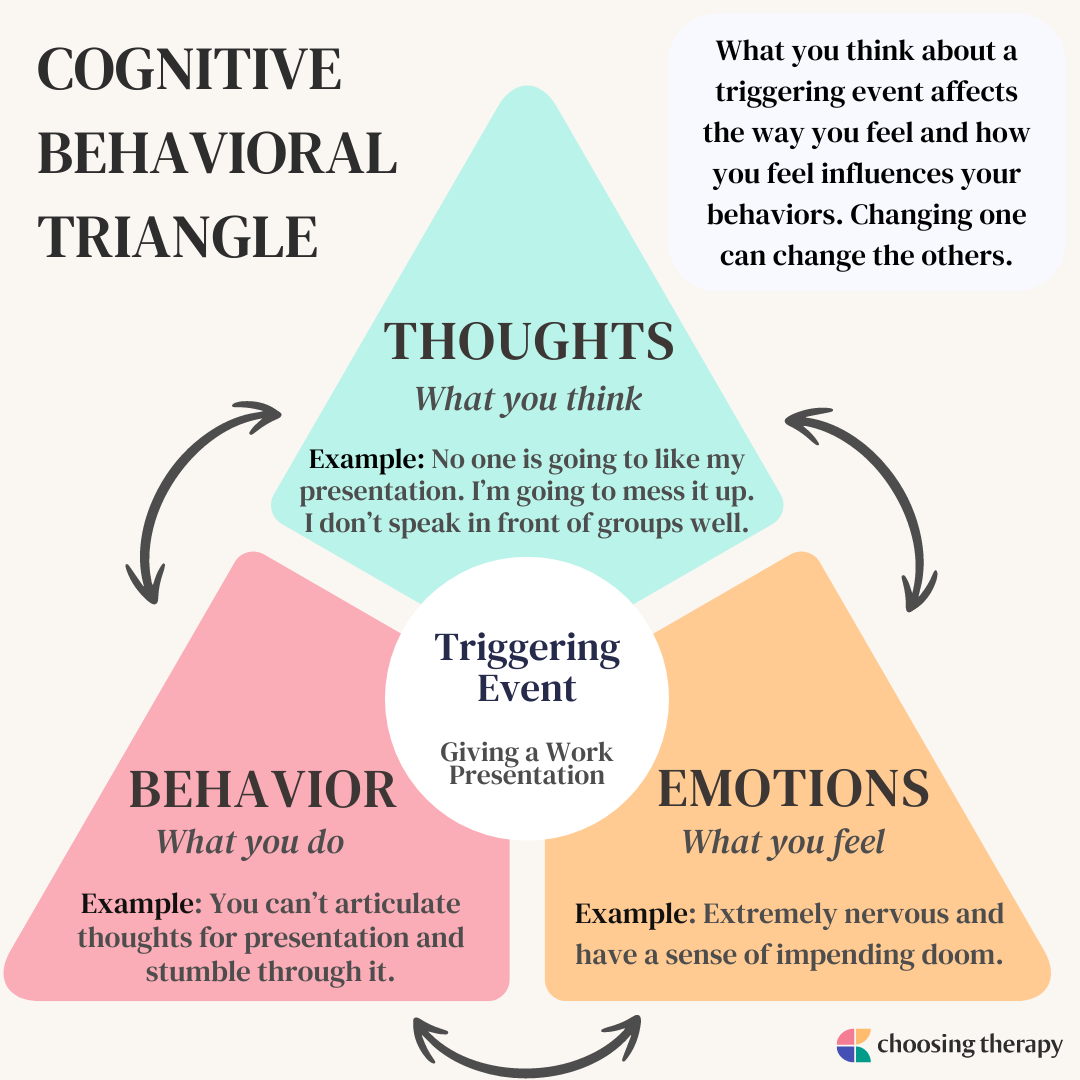
Shafir, H. (2024). Retrieved from https://www.choosingtherapy.com/wp-content/uploads/2024/05/CBT-TriangleAnxiety.png
Sommers-Flanagan, J., & Sommers-Flanagan, R. (2004). Carl Rogers: Person-centered theory and therapy. In Counseling and psychotherapy theories in context and practice: Skills, strategies, and techniques (pp. 174-212). John Wiley & Sons.
Sommers-Flanagan, J., & Sommers-Flanagan, R. (2012). Clinical interviewing: 2012-2013 update. John Wiley & Sons.
Sunden, S. (2023). Storytelling and bibliotherapy: Tools and techniques for children receiving therapeutic intervention. Journal of Poetry Therapy, 1-12. https://doi.org/10.1080/08893675.2023.2263653
Suzuki, K., Hiratani, M., Mizukoshi, N., Hayashi, T., & Inagaki, M. (2018). Family resilience elements alleviate the relationship between maternal psychological distress and the severity of children’s developmental disorders. Research in Developmental Disabilities, 83, 91-98. https://doi.org/10.1016/j.ridd.2018.08.006
Tanaka, M., Kakuyama, T., & Urhausen, M. T. (2003). Drawing and storytelling as psychotherapy with children. In C. A. Malchiodi (Ed.), Handbook of art therapy (pp. 125-138). The Guilford Press.
Tarsitani, L., Vassalini, P., Koukopoulos, A., Borrazzo, C., Alessi, F., Di Nicolantonio, C., ... & d’Ettorre, G. (2021). Post-traumatic stress disorder among COVID-19 survivors at 3-month follow-up after hospital discharge. Journal of General Internal Medicine, 36, 1702-1707.
Terzi, Ş., Tekinalp, B., E., & Leuwerke, W. (2011). Psychological counselors' evaluation of the comprehensive counseling and guidance program developed based on the school counseling and guidance services model. Pegem Journal of Education and Training, 1(1), 51-60.
Thomopoulou, T., MScSE, M., Fountouki, A., Theofanidis, D., Albani, E., Dousis, E., ... & Petsios, K. (2024). Storytelling and narrative techniques: Research findings support their implication in any healthcare setting. International Journal of Caring Sciences, 17(1), 568-573.
Thompson, R. (2004). Crisis intervention and crisis management: Strategies that work in schools and communities. Brunner-Routledge.
Tokel, A. (2018). Assessment of crisis management skills of secondary school administrators. Quality & Quantity, 52, 901-912. https://doi.org/10.1007/s11135-018-0708-7
Tran, B. X., Nguyen, H. T., Pham, H. Q., Le, H. T., Vu, G. T., Latkin, C. A., ... & Ho, R. C. (2020). Capacity of local authority and community on epidemic response in Vietnam: Implication for COVID-19 preparedness. Safety Science, 130, 104867. https://doi.org/10.1016/j.ssci.2020.104867
Trivedi, R. R., & Rejani, T. G. (2016). Expressive therapy with children who were sexually abused: An overview. World Journal of Research and Review, 3(4), 78-83.
Tustonja, M., Stipić, D. T., Skoko, I., Čuljak, A., & Vegar, A. (2024). Active listening- A model of empathetic communication in the helping professions. Medicina Academica Integrativa, 1(1), 42-47.
Tüccar, E., & Yavuz, E. (2023). 2023 Investigation of the effects of Kahramanmaraş Pazarcık earthquake on ındividuals from psychosocial aspects. Journal of Migration and Political Studies, 1(1), 54-77.
Urick, A., Carpenter, B. W., & Eckert, J. (2021). Confronting COVID: Crisis leadership, turbulence, and self-care. Frontiers in Education, 6, 642861. https://doi.org/10.3389/feduc.2021.642861
van Marle, H. (2015). PTSD as a memory disorder. European Journal of Psychotraumatology, 6(1), 27633.
Venuleo, C., Marinaci, T., Gennaro, A., & Palmieri, A. (2020). The meaning of living in the time of COVID-19: A large sample narrative inquiry. Frontiers in Psychology, 11, 577077. https://doi.org/10.3389/fpsyg.2020.577077
Vignaud, P., Lavallé, L., Brunelin, J., & Prieto, N. (2022). Are psychological debriefing groups after a potential traumatic event suitable to prevent the symptoms of PTSD? Psychiatry Research, 311, 114503. https://doi.org/10.1016/j.psychres.2022.114503
Visser, J. H., van der Ende, J., Koot, H. M., & Verhulst, F. C. (2003). Predicting change in psychopathology in youth referred to mental health services in childhood or adolescence. Journal of Child Psychology and Psychiatry, 44(4), 509-519. https://doi.org/10.1111/1469-7610.00140
von Vacano, M., & Zaumseil, M. (2014). Understanding disasters: An analysis and overview of the field of disaster research and management. In M. Zaumseil, S. Schwarz, von M. Vacano, G. Sullivan, & J. Prawitasari-Hadiyono (Eds.), Cultural psychology of coping with disasters: The case of an earthquake in Java, Indonesia (pp. 3-44). New York, NY: Springer. https://doi.org/10.1007/978-1-4614-9354-9_2
Vural, P. I., & Aslan, E. (2018). Duygusal özgürleşme tekniği (EFT) kapsamı ve uygulama alanları. Yaşam Becerileri Psikoloji Dergisi, 2(3), 11-25. https://doi.org/10.31461/ybpd.383026
Waldman, R. (2019). Natural and human-made disasters. In The CDC field epidemiology manual.
Walsh, F. (2007). Traumatic loss and major disasters: Strengthening family and community resilience. Family Process, 46(2), 207-227. https://doi.org/10.1111/j.1545-5300.2007.00205.x
Wang, W., Wu, X., & Lan, X. (2020). Rumination mediates the relationships of fear and guilt to posttraumatic stress disorder and posttraumatic growth among adolescents after the Ya’an earthquake. European Journal of Psychotraumatology, 11(1), 1704993. https://doi.org/10.1080/20008198.2019.1704993
Webb, N. B. (2004). Mass trauma and violence. New York-London: The Guilford Press.
Weingarten, K. (1998). The small and the ordinary: The daily practice of a postmodern narrative therapy. Family Process, 37(1), 3-15. https://doi.org/10.1111/j.1545-5300.1998.00003.x
Weir, P., Jones, L., Sheeran, N., & Kebbell, M. (2022). A diary study of Australian lawyers working with traumatic material. Psychiatry, Psychology and Law, 29(4), 610-630. https://doi.org/10.1080/13218719.2021.1956384
White, M., & Epston, D. (1990). Narrative means to therapeutic ends. New York: W.W. Norton.
Wild, J., Smith, K. V., Thompson, E., Béar, F., Lommen, M. J. J., & Ehlers, A. (2016). A prospective study of pre-trauma risk factors for post-traumatic stress disorder and depression. Psychological Medicine, 46(12), 2571-2582. https://doi.org/10.1017/S0033291716000532
Williams, J. M., Tonymon, P., & Andersen, M. B. (1991). The effects of stressors and coping resources on anxiety and peripheral narrowing. Journal of Applied Sport Psychology, 3(2), 126-141. https://doi.org/10.1080/10413209108406439
Wright, N. (2003). Crisis & trauma counseling. USA: Regal.
Zainal, N. H., Chan, W. W., Saxena, A. P., Taylor, C. B., & Newman, M. G. (2021). Pilot randomized trial of self-guided virtual reality exposure therapy for social anxiety disorder. Behaviour Research and Therapy, 147, 1-13, 103984. https://doi.org/10.1016/j.brat.2021.103984
Zaumseil, M., & Schwarz, S. (2014). Understandings of coping: A critical review of coping theories for disaster contexts. In M. Zaumseil, S. Schwarz, von M. Vacano, G. Sullivan, & J. Prawitasari-Hadiyono (Eds.), Cultural psychology of coping with disasters: The case of an earthquake in Java, Indonesia (pp. 45-83). New York, NY: Springer. https://doi.org/10.1007/978-1-4614-9354-9_2
Zhang, H., Hook, J. N., Van Tongeren, D. R., Davis, E. B., Aten, J. D., McElroy-Heltzel, S., Davis, D. E., Shannonhouse, L., Hodge, A. S., & Captari, L. E. (2021). Spiritual fortitude: A systematic review of the literature and implications for COVID-19 coping. Spirituality in Clinical Practice, 8(4), 229-244. https://doi.org/10.1037/scp0000267
Zhang, Q. (1994). An intervention model of constructive conflict resolution and cooperative learning. Journal of Social Issues, 50(1), 99-116. https://doi.org/10.1111/j.1540-4560.1994.tb02400.x
Zimmer‐Gembeck, M. J., & Skinner, E. A. (2016). The development of coping: Implications for psychopathology and resilience. In D. Cicchetti (Ed.), Developmental psychopathology (pp. 1-61). John Wiley & Sons. https://doi.org/10.1002/9781119125556.devpsy410
Yayınlanan
Lisans
LisansBu İnternet Sitesi içeriğinde yer alan tüm eserler (yazı, resim, görüntü, fotoğraf, video, müzik vb.) Akademisyen Kitabevine ait olup, 5846 sayılı Fikir ve Sanat Eserleri Kanunu ve 5237 sayılı Türk Ceca Kanunu kapsamında korunmaktadır. Bu hakları ihlal eden kişiler, 5846 sayılı Fikir ve Sanat eserleri Kanunu ve 5237 sayılı Türk Ceza Kanununda yer alan hukuki ve cezai yaptırımlara tabi olurlar. Yayınevi ilgili yasal yollara başvurma hakkına sahiptir.