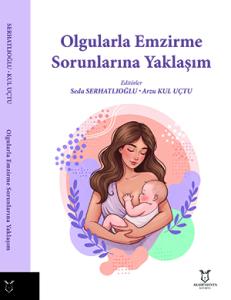
Tandem Emzirme
Özet
Tandem emzirme, annenin postpartum dönemde yeni doğan bebeğiyle birlikte büyük çocuğunu aynı anda veya dönüşümlü olarak emzirdiği bir laktasyon pratiği olarak tanımlanmaktadır. Bu süreç, emzirmenin devamlılığını sağlayarak her iki çocuğun da beslenme ve bağışıklık sistemine katkıda bulunabilecek anne sütü almasını mümkün kılmaktadır. Tandem emzirme, genellikle anne yeni bir doğum gerçekleştirdiğinde ve önceki çocuğunu emzirmeyi sonlandırmamayı tercih ettiğinde ortaya çıkmaktadır. Literatürde, tandem emzirmenin süt üretimi üzerindeki etkileri, emzirme sürecinin hormonal düzenlemesi, anne ve çocuk sağlığına yönelik kısa ve uzun vadeli sonuçları hakkında sınırlı ancak giderek artan sayıda çalışma bulunmaktadır. Tandem emzirmenin fizyolojik, psikososyal ve beslenme ile ilgili boyutları, annenin enerji ihtiyacı, süt kompozisyonundaki değişimler, çocukların emme davranışları ve anne-çocuk bağlanması gibi çok yönlü faktörlerle ilişkilidir. Ancak, konuya ilişkin klinik rehberlerin ve geniş kapsamlı epidemiyolojik çalışmaların eksikliği nedeniyle, bu pratiğin standartlaştırılmış bir klinik yönetimi bulunmamaktadır. Bu olgu çalışması, tandem emzirme sürecinin yönetimi, olası komplikasyonları ve ebelerin kritik rolünü incelemektedir. Ebelerin, anneye uygun emzirme teknikleri, beslenme desteği, psikososyal dayanıklılık ve toplumsal baskılarla baş etme konularında rehberlik etmesi, sürecin sürdürülebilirliği açısından önem taşımaktadır. Tandem emzirme, bireysel tercihler doğrultusunda değerlendirilmesi gereken bir süreç olup, düzenli takip ve profesyonel destekle yönetilmelidir.
Tandem breastfeeding is defined as a lactation practice in which a mother breastfeeds two or more children of different age groups simultaneously or alternately during the postpartum period. This process supports the continuity of breastfeeding, allowing both children to receive breast milk, which may contribute to their nutrition and immune system development. Tandem breastfeeding typically occurs when a mother gives birth to a new child while continuing to nurse an older one. The literature on tandem breastfeeding remains limited but has been gradually expanding, focusing on its effects on milk production, hormonal regulation of lactation, and short- and long-term health outcomes for both mother and child.The physiological, psychosocial, and nutritional aspects of tandem breastfeeding involve multiple factors, including the mother's increased energy needs, changes in milk composition, the nursing behaviors of children, and mother-child bonding. However, due to the lack of standardized clinical guidelines and large-scale epidemiological studies on this practice, there is no established clinical management framework. This case study examines the management of tandem breastfeeding, potential complications, and the critical role of breastfeeding counselors. Providing guidance on optimal breastfeeding techniques, nutritional support, psychosocial resilience, and coping strategies for societal pressures is essential for sustaining the process. Tandem breastfeeding is a practice that should be assessed based on individual preferences and managed with regular follow-up and professional support.
Referanslar
Bryant T. Tandem nursing: Supporting mothers who breastfeed through pregnancy and beyond. Int J Childbirth Educ. 2012;27(4):84-88.
Aker MN, Gönenç IM, Er Korucu A, Çakırer Çalbayram N. Mothers' Experiences of Tandem Breastfeeding: A Phenomenological Study. Am J Perinatol. 2024;41(S 01):e1421-e1434. doi: 10.1055/a-2033-0031.
Göncü Serhatlıoğlu S, Yılmaz E. Nedir Bu Tandem Emzirme?. IGUSABDER. 2020;:433–442.
Rosenberg G, Mangel L, Mandel D, Marom R, Lubetzky R. Tandem Breastfeeding and Human Milk Macronutrients: A Prospective Observational Study. J Hum Lact. 2021;37(4):723-729. doi: 10.1177/08903344211003827.
Sinkiewicz-Darol E, Bernatowicz-Łojko U, Łubiech K. et al. Tandem breastfeeding: a descriptive analysis of the nutritional value of milk when feeding a younger and older child. Nutrients 2021; 13 (01) 277
Akın, B., Türkmen, H., & Erkal Aksoy, Y. (2024). Sibling Tandem Breastfeeding: A Case Report. Kırşehir Ahi Evran Üniversitesi Sağlık Bilimleri Dergisi, 8(1), 55-64.
Devecioğlu E, Kürkçü Güneş D, Kural B, Eren T, Gökçay G. Breastfeeding during pregnancy and tndem nursing: case reports. Journal of Istanbul Faculty of Medicine 2015; 17 (04) 60-63
Özsoy S. Breastfeeding during pregnancy and tandem nursing. Turkiye Klinikleri J Nurs Sci. 2019.
Spatz DL. Tandem Breastfeeding. MCN Am J Matern Child Nurs. 2023 Nov-Dec 01;48(6):343. doi: 10.1097/NMC.0000000000000958. PMID: 37840206.
Thompson AJ, Topping AE, Jones LL. "Surely you're not still breastfeeding": a qualitative exploration of women's experiences of breastfeeding beyond infancy in the UK. BMJ Open. 2020;10(5):e035199. doi:10.1136/bmjopen-2019-035199
Victora CG, Bahl R, Barros AJD, et al. Breastfeeding in the 21st century: Epidemiology, mechanisms, and lifelong effect. The Lancet. 2016;387(10017):475-490.
Kent JC. How breastfeeding works. Journal of Midwifery & Women's Health. 2007;52(6):564-570.
Lawrence RA, Lawrence RM. Breastfeeding: A Guide for the Medical Profession. 8. Baskı. Philadelphia: Elsevier; 2016.
Sağlık Bakanlığı Türkiye Halk Sağlığı Kurumu. Anne Sütü ve Emzirme Danışmanlığı El Kitabı. Ankara: Sağlık Bakanlığı Yayınları; 2013.
Stevens EE, Patrick TE, Pickler R. A history of infant feeding. Journal of Perinatal Education. 2009;18(2):32-39.
World Health Organization (WHO). Infant and young child feeding: Model Chapter for textbooks for medical students and allied health professionals. Geneva: WHO Press; 2009.
Moore ER, Bergman N, Anderson GC, Medley N. Early skin-to-skin contact for mothers and their healthy newborn infants. Cochrane Database of Systematic Reviews. 2016;(11):CD003519.
Butte NF, Lopez-Alarcon MG, Garza C. Nutrient adequacy of exclusive breastfeeding for the term infant during the first six months of life. Geneva: World Health Organization; 2002.
Picciano MF. Nutrient composition of human milk. Pediatric Clinics of North America. 2001;48(1):53-67.
Doan T, Gay CL, Kennedy HP. Nighttime breastfeeding behavior is associated with more nocturnal sleep among first-time mothers at one month postpartum. Journal of Clinical Sleep Medicine. 2014;10(3):313-319.
Dennis CL, Dowswell T. Psychosocial and psychological interventions for preventing postpartum depression. Cochrane Database of Systematic Reviews. 2013;(2):CD001134.
Gribble KD. Mental health, attachment and breastfeeding: implications for adopted children and their mothers. International Breastfeeding Journal. 2006;1:5.
Mohrbacher N. Breastfeeding Answers Made Simple: A Guide for Helping Mothers. Amarillo, TX: Hale Publishing; 2010.
O'Hara MW, McCabe JE. Postpartum depression: current status and future directions. Annual Review of Clinical Psychology. 2013;9:379-407.
American Academy of Pediatrics. Breastfeeding and the use of human milk. Pediatrics. 2012;129(3):e827-e841.
World Health Organization (WHO). Postnatal care of the mother and newborn 2013. Geneva: WHO Press; 2014.
Britton C, McCormick FM, Renfrew MJ, Wade A, King SE. Support for breastfeeding mothers. Cochrane Database of Systematic Reviews. 2007;(1):CD001141.