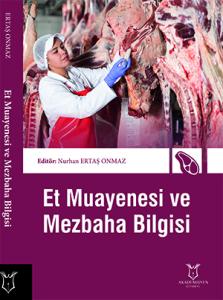
Gıda Güvenliği Yönetim Sistemleri: GMP, HACCP, ISO 22000
Özet
Gıda güvenliği yönetim sistemleri, gıdalarda insan sağlığını ve gıda kalitesini olumsuz etkilemesi muhtemel tehlikelerin oluşmasını önlemeyi amaçlar. Bu sistemlerin uygulanması sağlıklı, kaliteli ve standart bir üretime olanak sağlar. Bu uygulamalar tüm gıda işletmelerinde uygulanabilir ve uluslararası kabul görebilir nitelikte olmalıdır. Temel hayvansal gıda hammaddelerden olan etler ile insanlara geçen yüzlerce zoonoz hastalık; antibiyotik, hormon, ağır metal ve pesitisit gibi kimyasallar ile kesim aşamalarındaki birçok fiziksel kirlilik insan sağlığını ve gıdanın tüketimini olumsuz etkileyebilmektedir. Hayvan kesiminin yapıldığı ve etin işlendiği tüm işletmelerin gıda güvenliği yönetim sistemlerini doğru ve etkin olarak kullanması mevzuat ve halk sağlığı açısından zorunluluktur.
Food safety management systems are crucial for improving quality in the food industry and ensuring the delivery of safe products to consumers. Systems such as GMP (Good Manufacturing Practices), HACCP (Hazard Analysis and Critical Control Points), and ISO 22000 establish hygiene, quality, and safety standards in food production processes. GMP ensures hygienic conditions in production, while HACCP identifies potential hazards and prevents them. ISO 22000 controls food safety management through an integrated system and aims for continuous improvement. These systems help food producers comply with regulations, protect consumer health, and gain a competitive advantage.
Referanslar
Motarjemi Y. Hazard Analysis and Critical Control Point System (HACCP). In: Motarjemi Y. Lelieveld H. (eds.) Food Safety Management: A Practical Guide for the Food Industry. 1st Edition. Academic Press Inc. Chapter 31.2014
Wallace C, Williams T. Pre-requisites: a help or a hindrance to HACCP. Food Control. 2001;12(4): 235–240. doi:10.1016/s0956-7135(00)00042-6
Arvanitoyannis IS, Kassaveti A. HACCP and ISO 22000 – A Comparison of the Two Systems. In: Arvanitoyannis IS (eds.) HACCP and ISO 22000- Application to Foods of Animal Origin. Blackwell Publishing Ltd. 2009.
Eglezos S, Dykes GA. Hazard Analysis Critical Control Point And Self-Regulation. In: Dikeman M, Devine C. (eds.) Encyclopedia Encyclopedia of Meat Sciences. Second Edition. Academik Press;2014.
Szczyrba A, Dzıuba S. Good Manufacturing Practices for Quality and Safety Management in the Food Industry. Materials Research Proceedings. 2023;34:288-297
5996 Sayılı Veteriner Hizmetleri, Bitki Sağlığı, Gıda Ve Yem Kanunu (11/6/2010 Tarih ve 27610 Sayılı Resmi Gazete )
Gıda Hijyeni Yönetmeliği (17.12.2011 Tarih ve 28145 Sayılı Resmi Gazete)
Hayvansal Gıdalar İçin Özel Hijyen Kuralları Yönetmeliği (27.12.2011 Tarih ve 28155 Sayılı Resmi Gazete)
Türk Gıda Kodeksi Et, Hazırlanmış Et Karışımları ve Et Ürünleri Tebliği. (29/01/2019 tarih ve 30670 sayılı resmi gazete Tebliğ no: 2018/52).
da Cruz AG, Cenci SA, Maia MCA. Quality assurance requirements in produce processing. Trends in Food Science and Technology. 2006;17: 406–411.
Food and Agriculture Organization. Food Quality and Safety Systems. A Training Manual on Food Hygiene and the Hazard Analysis and Critical Control Point (HACCP) System, Rome, Italy: Publishing Management Group. 1998.
Corlett DA. HACCP User’s Manual, Gaithersburg, MD: Aspen Publishers; 1998.
Forsythe SJ, Hayes RP. Food Hygiene, Microbiology and HACCP, Gaithersburg, MD: Aspen Publishers;1998.
McSwane D, Rue N, Linton R. Essentials of Food Safety and Sanitation. 2nd ed. New Jersey: PrenticeHall;2000.
Marriott NG. Essentials of Food Sanitation, New York: Chapman & Hall; 1997.
Jarvis B. Good manufacturing practice. In: Robinson RK, Batt CA, Patel PD. (eds) Encyclopedia of Food Microbiology, Vol. 2, London: Academic Press;1999.
Boyle E. Introduction to HACCP for Meat and Poultry Processors, Originally published as a National Pork Board/ American Meat Science Association Fact Sheet. Pork Information Gateway, U.S. Pork Center of Excellence; 2006.
Kara R. Gıda Hijyeni. Eser, M. (Ed.) Hijyen ve Sanitasyon içinde (Ünite 5). Eskişehir: Anadolu Üniversitesi Yayınları;2016.
FAO/WHO Codex Alimentarius Commission. (1969). General principles of food hygiene: CXC 1-1969. Retrieved from https://www.fao.org/fao-who-codexalimentarius/sh-proxy/it/?lnk=1&url=https%253A%252F%252Fworkspace.fao.org%252Fsites%252Fcodex%252FStandards%252FCXC%2B1-1969%252FCXC_001e.pdf
Türk Gıda Kodeksi Yönetmeliği (16/11/ 1997 tarih ve 23172 mükerrer sayılı Resmi Gazete)
Gıda ve Yemin Resmi Kontrollerine Dair Yönetmelik (17.12.2011 Tarih ve 28145 Sayılı Resmi Gazete)
Artık N, Konar N. ISO 22000 HACCP ve Gıda Güvenliği Uygulamaları Eğitimi. Turizm, Sağlık ve Hukuk Sempozyumu. 03-05 Nisan 2015, Nevşehir.
Oulahal N, Perret S, Bornua D. Implementation of HACCP - Surface Hygiene. In: Bénézech T, Faille C. (eds.) Prevention of the Biological Contamination of Food: Processing/Distribution and consumer usage. chapter 2. ISTE Ltd; 2023.
Food safety autorty of ireland. Food Safety Management System (FSMS) Guide for Low-Throughput Cattle, Sheep, Goat and Pig Slaughterhouses Published by: Food Safety Authority of Ireland The Exchange, George’s Dock IFSC, Dublin 1 D01 P2V6 Tel: +353 1 817 1300 Email: info@fsai.ie www.fsai.ie © FSAI Revision 1 2022 Applications for reproduction should be made to the FSAI Information Unit ISBN 978-1-910348-26-0
United State Department of Agriculture. Guidebook for the Preparation of HACCP Plans https://www.fsis.usda.gov/sites/default/files/media_file/2021-03/Guidebook-for-the-Preparation-of-HACCP-Plans.pdf.Erişim tarihi 15.11.2024).
The National Advisory Committee on Microbiological Criteria for Foods. Hazard Analysis and Critical Control Point system. Int J Food Microbiol. 1992;16(1):1-23.
Untermann F. Food safety management and misinterpretation of HACCP. Food Control. 10: 161–167. 1999.
Motarjemi Y., Warren B.R. Hazard Analysis and Critical Control Point System (HACCP). In: Andersen V, Lelieveld H, Motarjemi Y. (eds.) Food Safety Management: A Practical Guide for the Food Industry. 2nd Edition. Academic Press Inc. Chapter 36.2023.
Codex Alimentarius Commission. (2012). Guidelines for the application of a hazard analysis critical control point (HACCP) system in a meat plant. Retrieved from https://www2.gov.bc.ca/assets/gov/farming-natural-resources-and-industry/agriculture-and-seafood/food-safety/meat-inspection/meatplanthaccpmanual.pdf
Europe Food Safety Agency. Panel on Biological Hazards. Scientific Opinion on the public health risks related to the maintenance of the cold chain during storage and transport of meat. Part 1 (meat of domestic ungulates). EFSA Journal. 2014; 12(3): 3601.
Awuchi C G. HACCP, quality, and food safety management in food and agricultural systems. Cogent Food and Agriculture. 9(1). 2023.
U.S. Department of Agriculture (USDA). (2018). Meat and Poultry Hazards and Controls Guide. FSIS. https://www.fsis.usda.gov/sites/default/files/import/Meat_and_Poultry_Hazards_Controls_Guide_10042005.pdf
Biçer, Ş. Kırmızı Et Üretiminde Faaliyet Gösteren Bir İşletmede Risk Değerlendirmesi Çalışma ve Sosyal Güvenlik Bakanlığı, İş Sağlığı ve Güvenliği Genel Müdürlüğü, İş Sağlığı ve Güvenliği Uzmanlık Tezi. 2016. ANKARA
Karaali A. Gıda işletmelerinde HACCP uygulamaları ve denetimi. 2003TC Sağlık Bakanlığı,. 66, 2003.
Scott, V. N. How does industry validate elements of HACCP plans? Food Control. 16(6), 497–503. 2005.
ISO Standart :https://www.iso.org/standard/65464.html). Erişim tarihi: 15.11.2024.
Iro O. Food Hygiene and Safety Management in Nigeria. International Journal of Research and Scientific Innovation. VII(V): 101–109. 2020.
U.S. Department of Agriculture (USDA), Food Safety and Inspection Service (FSIS). 2021a. HACCP Model for Beef Slaughter. https://www.fsis.usda.gov/sites/default/files/media_file/2021-03/HACCP-Model-for-Poultry-Slaughter.pdf
U.S. Department of Agriculture (USDA), Food Safety and Inspection Service (FSIS). 2021b. HACCP Model for Poultry Slaughter.https://www.fsis.usda.gov/sites/default/files/media_file/2021-03/HACCP-Model-for-Poultry-Slaughter.pdf