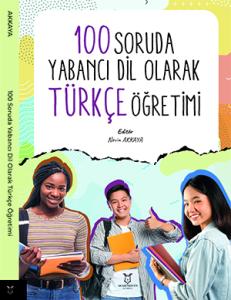
Yabancılara Türkçe Öğretiminde Web Teknolojisinin Kullanımı
Özet
Web teknolojileri son 30 yılda giderek yaygınlaşmaya başlamıştır. Web 1.0 ile başlayan bu süreç web 2.0, web 3.0 ve son olarak web 4.0 ile devam etmektedir. Bu teknolojilerin kullanımı yabancılara Türkçe öğretiminde de önemli bir unsur haline gelmiştir. Sınıf yönetiminden becerilerin kazandırılmasına kadar birçok konuda bu teknolojilerin önemi üzerine çalışmalar yapılmıştır. Bu bölümde yabancılara Türkçe öğretiminde web teknolojilerinin neden kullanılması gerektiği ele alınmıştır. Ayrıca nasıl kullanılabileceği de web teknolojileri üzerinden açıklanmaya çalışılmıştır. Bölüm oluşturulurken dört temel dil becerisinde teknolojinin neden ve nasıl kullanılabileceği ayrı birer sorun olarak ele alınmıştır. Her bir beceriye ait bölümün sonunda web teknolojilerinin o beceriyle ilişkili olarak öğretim sürecinde nasıl kullanılabileceğine yönelik birer etkinlik örneği sunulmuştur. Sonuç olarak Türkçenin yabancı dil olarak öğretiminde teknoloji kullanımının okuma, yazma, konuşma ve dinleme becerilerinin geliştirilmesinde etkili bir öğrenme deneyimi sunacağı söylenebilir.
Referanslar
Akdemir, A. S. (2010). Videonun Dinleme Becerisine Ön Örgütleyici Olarak Uygulanması. Yayımlanmamış Yüksek Lisans Tezi. Atatürk Üniversitesi, Sosyal Bilimler Enstitüsü, Erzurum.
Aktaş, Y. (2022). Türkçenin yabancı dil olarak öğretiminde yazma becerisi için dijital yazma asistanları önerisi. Bezgek Yaban- cılara Türkçe Öğretimi Dergisi, 1(2), 120-132. http://dx.doi.org/10.56987/bezgek.13
Alabsi, T. (2020). Effects of adding subtitles to video via apps on developing EFL students’ listening comprehension. Theory and Practice in Language Studies, 10(10), 1191-1199.
Alm, A. (2013). Extensive listening 2.0 with foreign language podcasts. Innovation in Language Learning and Teaching, 7(3), 266-280.
Almelhi, A. M. (2021). Effectiveness of the ADDIE Model within an E-Learning Environment in Developing Creative Writing in EFL Students. English Language Teaching, 14(2), 20-36.
Al-Olimat, S. I., & AbuSeileek, A. F. (2015). Usıng Computer-Medıated Correctıve Feedback Modes In Developıng Students’w- rıtıng Performance. Teaching English with Technology, 15(3), 3-30.
Arndt, H., & Woore, R. (2018). Vocabulary learning from watching YouTube videos and reading blog posts. Language Lear- ning and Technology, 22(3),124-142.
Aslan, E., & Coşkun, O. (2016). Yabancılara Türkçe Öğretiminde Oyun Yazılımları İle Sözcük Öğretimi. Electronic Turkish Studies, 11(3), 221-236.
Asyifah, D. A., & Indriani, L. (2021). The Student Perspective: The Impact of Podcasts on EFL Students Listening Comprehen- sion. Eduvelop: Journal of English Education and Development, 4(2), 127-134.
Aydoğdu, İ., & Hamaratlı, E. (2021). Türkçeyi Yabancı Dil Olarak Uzaktan Öğretenlerin Konuşma Becerisine Yönelik Uygula- maları. Sanat ve Sosyal Bilimler Sempozyumu (ss. 281-297). 30-31 Temmuz 2021, Antalya.
Babbel. (25.02.2023). https://www.babbel.com/ adresinden erişildi.
Bal, M. (2019). Use of digital games in writing education: an action research on gamification. Contemporary Educational Technology, 10(3), 246-271.
Barrett, N. E., Liu, G. Z., & Wang, H. C. (2022). Seamless learning for oral presentations: Designing for performance nee- ds. Computer Assisted Language Learning, 35(3), 551-576.
Baş, B. ve Yıldırım, T. (2018). Yabancılara Türkçe öğretiminde teknoloji entegrasyonu. Ana Dili Eğitimi Dergisi, 6(3), 827-839.
Berk, R. R., & Açık, F. (2021). Yabancı dil olarak Türkçe öğretiminde elektronik dinletilerin dinlediğini anlama başarısı ve dinleme kaygısına etkisi. Bayburt Eğitim Fakültesi Dergisi, 16(32), 329-348.
Betoncu, O. (2022). Yabancılara Türkçe Eğitimi Uygulamasının Geliştirilmesi ve Değerlendirilmesi. Yayımlanmamış Doktora tezi. Yakın Doğu Üniversitesi Lisansüstü Eğitim Enstitüsü, Lefkoşa.
Birinci, F. G. (2020). Yabancı dil olarak Türkçe öğretiminde kullanılan bilişim teknolojileri üzerine bir inceleme. Sakarya Uni- versity Journal of Education, 10(2), 350-371.
Boylu, E., & Başar, U. (2015). Televizyondan yabancı dil olarak Türkçe öğrenimine ilişkin bir durum tespiti çalışması: İran örneği. International Journal of Language Academy, 3(4), 401-414.
Bozorgian, H., & Shamsi, E. (2022). Autonomous use of podcasts with metacognitive intervention: Foreign language listening development. International Journal of Applied Linguistics, 32(3), 442-458.
Budjalemba, A. S., & Listyani, L. (2020). Factors contributing to students difficulties in academic writing class: Students per- ceptions. UC Journal: ELT, Linguistics and Literature Journal, 1(2), 135-149.
Buncee. (25.02.2023). https://app.edu.buncee.com/ adresinden erişildi. Busuu. (25.02.2023). https://www.busuu.com/tr adresinden erişildi.
Byram, M., & Wagner, M. (2018). Making a difference: Language teaching for intercultural and international dialogue. Foreign Language Annals, 51(1), 140-151.
Canva. (25.02.2023). https://www.canva.com/ adresinden erişildi.
Chand, V. S., Deshmukh, K. S., & Shukla, A. (2020). Why does technology integration fail? Teacher beliefs and content develo- per assumptions in an Indian initiative. Educational Technology Research and Development, 68, 2753-2774.
Chao-Fernandez, R., Román-García, S., & Chao-Fernandez, A. (2017). Analysis of the use of ICT through music interactive games as educational strategy. Procedia-Social and Behavioral Sciences, 237, 576-580.
Chen, C. M., & Chen, I. C. (2021). The effects of video-annotated listening review mechanism on promoting EFL listening comprehension. Interactive Learning Environments, 29(1), 83-97.
Chen, F., & Cui, Y. (2020). Utilizing Student Time Series Behaviour in Learning Management Systems for Early Prediction of Course Performance. Journal of Learning Analytics, 7(2), 1-17.
Cheng, R. T. J. (2016). Reading online in foreign languages: A study of strategy use. International Review of Research in open and distributed learning, 17(6), 164-182.
Chien, C. C., Huang, Y., & Huang, P. (2020). YouTube Videos on EFL College Students’ Listening Comprehension. English Language Teaching, 13(6), 96-103.
Chun, D., Kern, R., & Smith, B. (2016). Technology in language use, language teaching, and language learning. The Modern Language Journal, 100(S1), 64-80.
Classcraft. (25.02.2023). https://www.classcraft.com/ adresinden erişildi.
Coşkun, O., & Demirkan, M. (2016). Türkçe’nin Yabancı Dil Olarak Öğretiminde Dinleme Becerisini Geliştirmede Web Radyo Ve Podcast Uygulamaları. Turkophone, 3(1), 35-56.
Cunningham, U., Rashid, S., & Le, T. (2019). The effect of learner training on the use of digital tools to support English writing skills. Asian EFL Journal, 21(2.1), 27-49.
Çangal, Ö. (2020). Yabancılara Türkçe Öğretiminde Sosyal Medya Kullanımının Yazma Becerisine Etkisine Yönelik Öğrenici Görüşleri. Sosyal Bilimler Araştırmaları Dergisi, (2020 Sonbahar Özel Sayı I/II), 52-61.
Çangal, Ö. (2021). Dil öğretiminde YouTube’un kullanımı: Yabancılara Türkçe öğretenlerin deneyimleri ve bakış açıları. Ru- meliDE Dil ve Edebiyat Araştırmaları Dergisi, (Ö10), 63-80. DOI: 10.29000/rumelide.1009040.
Çapan, S. A. (2021). Problems in Foreign Language Education in the Turkish education system: Pre-service teachers’ ac- counts. Eurasian Journal of Applied Linguistics, 7(1), 397-419.
del Portillo, J. L., & Bernal-Ballen, A. (2022). Video and audio platforms for improving listening skills in Spanish´ s students of EFL: A preliminary and descriptive study. In ELT Forum: Journal of English Language Teaching,11(2), 73-87.
Déniz, I. S. (2022). Análisis del uso de las TIC para el desarrollo de la expresión escrita en el aula de Inglés como lengua ext- ranjera. Dedica. Revista de Educação e Humanidades, (20), 307-321.
Djabborova, F. O. (2020). Ways of developing listening skills of English learners in ESL and EFL classroom. European Journal of Research and Reflection in Educational Sciences, 8(10), 212-216.
Drops. (25.02.2023). https://languagedrops.com/ adresinden erişildi Dualingo. (25.02.2023). https://tr.duolingo.com/ adresinden erişildi.
Dündar, Ş. N. (2019). Yabancılara Türkçe öğretiminde dinleme becerisinin bir web uygulaması aracılığıyla geliştirilmesi. Ya- yımlanmamış Yüksek Lisans Tezi, Gazi Üniversitesi, Ankara.
EasyBib. (25.02.2023). https://www.easybib.com/ adresinden erişildi.
Edpuzzle. (25.02.2023). https://edpuzzle.com/ adresinden erişildi.
Faramarzi, S., Tabrizi, H. H., & Chalak, A. (2019). The Effect of Vodcasting Tasks on EFL Listening Comprehension Progress in an Online Program. International Journal of Instruction, 12(1), 1263-1280.
Flipgrid. (25.02.2023). https://info.flip.com/ adresinden erişildi.
García Botero, G., Questier, F., & Zhu, C. (2019). Self-directed language learning in a mobile-assisted, out-of-class context: Do students walk the talk?. Computer Assisted Language Learning, 32(1-2), 71-97.
Genial.ly. (25.02.2023). https://genial.ly/ adresinden erişildi.
Getie, A. S. (2020). Factors affecting the attitudes of students towards learning English as a foreign language. Cogent Educati- on, 7(1), 1738184.
Ghahri, F., Hashamdar, M., & Mohamadi, Z. (2015). Technology: A better teacher in writing skill. Theory and Practice in Language Studies, 5(7), 1495.
Google Çeviri. (25.02.2023). https://translate.google.com/?hl=tr adresinden erişildi Google Docs. (25.02.2023). https://docs.google.com/ adresinden erişildi.
Gorbanyova, O. (2016). Interactive technologies in teaching a foreign language at higher educational establishment. Internati- onal Letters of Social and Humanistic Sciences, 71, 54-59.
Gulay, C., & Karanfil, G. (2020). Türkçenin yabanci dil olarak öğretiminde teknoloji kullanimi ve materyal geliştirme. In Şti- inţă, educaţie, cultură, 2, 360-364.
Güler, T. D., & Sali, M. K. (2021). Yabancı Dil Olarak Türkçe Öğretiminde Sosyal Ağ Kullanımı: Bir Durum Çalışması. Interna- tional Journal of Innovative Approaches in Education, 5 (3), 236-254 https://doi.org/10.29329/ijiape.2021.374.1.
Hamra, A., & Syatriana, E. (2015). Developing a model of teaching reading comprehension for EFL students. TEFLIN jour- nal, 21(1), 27-40.
Hashemi, A. (2021). The Effects of Using Games on Teaching Vocabulary in Reading Comprehension: A Case of Gifted Stu- dents. Journal for the Education of Gifted Young Scientists, 9(2), 151-160. DOI: http://dx.doi.org/10.17478/jegys.846480
İnal, E. & Arslanbaş, F. (2021). Türkçenin yabancı dil olarak uzaktan öğretiminde iletişim odaklı web 2.0 araçları ve uygulama örnekleri. Bayburt Eğitim Fakültesi Dergisi, 16(Özel Sayı), 228-249.
İnce, B. (2021). Yabancı dil olarak Türkçe öğretiminde teknoloji destekli akran öğretiminin konuşma kaygısına etkisi. Rume- liDE Dil ve Edebiyat Araştırmaları Dergisi, 7. Uluslararası Yabancı Dil Olarak Türkçenin Öğretimi Kongresi Özel Sayısı, 171-179 . DOI: 10.29000/rumelide.1012525
İskender, M. E. (2021). Yabancı dil olarak Türkçe öğretiminde uzaktan eğitim derslerine ilişkin deneyimler. RumeliDE Dil ve Edebiyat Araştırmaları Dergisi, (22), 96-117.
İşcan, A. (2016). Yabancı Dil Olarak Türkçe Öğretiminde Okuma Becerisi Kazandırmada Filmlerin Kullanımı. Electronic Turkish Studies, 11(21),487-500.
Jamboard. (25.02.2023). https://jamboard.google.com/ adresinden erişildi.
Kacetl, J., & Klímová, B. (2019). Use of smartphone applications in english language learning—A challenge for foreign langu- age education. Education Sciences, 9(3), 179.
Kahoot. (25.02.2023). https://kahoot.com/ adresinden erişildi.
Karatay, H., Karabuğa, H., & İpek, O. (2018). Türkçenin yabancı dil olarak öğretiminde Edmodo’nun kullanımı: Bir durum çalışması. Ana Dili Eğitimi Dergisi, 6(4), 1064-1090.
Kartallıoğlu, N. (2022). Views of the students learning Turkish as a foreign Language on distance education during the CO- VID-19 pandemic. Participatory Educational Research, 9(4), 71-91.
Khorsheed, R., & Rassoul, J. (2018). The role of using English newspapers in enhancing pre-intermediate level learners’ reading comprehension skills. Theory and Practice in Language Studies, 8(10), 1370-1375.
Kim, N. Y. (2020). Languages on the screen. A study on reversed subtitling and EFL receptive language skills. Multimedia-As- sisted Language Learning, 23(1), 37-66.
Koltovskaia, S. (2020). Student engagement with automated written corrective feedback (AWCF) provided by Grammarly: A multiple case study. Assessing Writing, 44, 100450.
Korkmaz, C. B. (2022). Technology-based teaching of listening skills in Turkish teaching as a foreign language. International Journal of Education Technology and Scientific Researches, 7(20), 2240-2273.
Korkmaz, S., Öz, H. (2021). Using Kahoot to improve reading comprehension of English as a foreign language learners. Inter- national Online Journal of Education and Teaching (IOJET), 8(2). 1138-1150.
Lee, Y. (2019). An analysis of the influence of block-type programming language-based artificial intelligence education on the learner’s attitude in artificial intelligence. Journal of the Korean Association of information Education, 23(2), 189-196.
Lim, F. V., & Phua, J. (2019). Teaching writing with language feedback technology. Computers and Composition, 54, 102518. Lin, J. J., Lee, Y. H., Wang, D. Y., & Lin, S. S. (2016). Reading subtitles and taking enotes while learning scientific materials in a multimedia environment: Cognitive load perspectives on EFL students. Journal of Educational Technology & Society, 19(4), 47-58.
LingQ. (25.02.2023). https://www.lingq.com/tr/ adresinden erişildi. Loom. (https://www.loom.com/ adresinden erişildi.
Malakul, S., & Park, I. (2023). The effects of using an auto-subtitle system in educational videos to facilitate learning for secondary school students: learning comprehension, cognitive load, and satisfaction. Smart Learning Environments, 10(1), 1-17.
Manegre, M., & Sabiri, K. A. (2022). Online language learning using virtual classrooms: An analysis of teacher percepti- ons. Computer Assisted Language Learning, 35(5-6), 973-988.
Memrise. (25.02.2023). https://www.memrise.com/tr/ adresinden erişildi.
Mete, F. & Gürsoy, Ü. (2013). Yabancı dil olarak Türkçe öğretiminde öğretmen yeterliklerine ilişkin görüşler. Hacettepe Üni- versitesi Eğitim Fakültesi Dergisi, 28(28-3), 343-356.
Nartiningrum, N., & Nugroho, A. (2020). Online learning amidst global pandemic: EFL students’ challenges, suggestions, and needed materials. Englısh Franca: Academic journal of English language and education, 4(2), 115-140.
Nearpod. (25.02.2023). https://nearpod.com/ adresinden erişildi. Newsela. (25.02.2023). https://newsela.com/ adresinden erişildi.
Nomass, B. B. (2013). The impact of using technology in teaching English as a second language. English language and literature studies, 3(1), 111-116.
Onur, Z. K. (2021). Kovid-19 salgını sürecinde yabancı dil olarak Türkçe öğretiminde Zoom kullanımı hakkında öğretici gö- rüşleri. Journal of Sustainable Education Studies, 2(3), 15-27.
Padlet. (25.02.2023). https://tr.padlet.com/ adresinden erişildi.
Perez, M. M. (2022). Second or foreign language learning through watching audio-visual input and the role of on-screen text. Language Teaching, 55(2), 163-192.
Pietilä, P. ve Merikivi, R. (2014). The Impact of Free-time Reading on Foreign Language Vocabulary Development. Journal of Language Teaching and Research, 5(1), 28-36.
Puspitarini, Y. D., & Hanif, M. (2019). Using Learning Media to Increase Learning Motivation in Elementary School. Anato- lian Journal of Education, 4(2), 53-60.
Quizlet. (25.02.2023). https://quizlet.com/tr adresinden erişildi. Readlang. (25.02.2023). https://readlang.com/ adresinden erişildi.
ReadWorks. (25.02.2023). https://www.readworks.org/ adresinden erişildi.
Regan, P. M., & Jesse, J. (2019). Ethical challenges of edtech, big data and personalized learning: Twenty-first century student sorting and tracking. Ethics and Information Technology, 21, 167-179.
Rosetta Stone. (25.02.2023). https://tr.rosettastone.com/ adresinden erişildi.
Sari, N., & Fithriyana, R. (2019). Exploring EFL Students’ Problems in Listening Comprehension. JEES (Journal of English Educators Society), 4(1), 47-52. Sari, N., & Fithriyana, R. (2019). Exploring EFL Students’ Problems in Listening Comp- rehension. JEES (Journal of English Educators Society), 4(1), 47-52. Formun Üstü
Saydakhmetova, D. (2020). Teaching Russian as a foreign language through stories. European Journal of Research and Reflec- tion in Educational Sciences, 8(5), 75-78.
Schmitt, N. (2019). Understanding vocabulary acquisition, instruction, and assessment: A research agenda. Language Teac- hing, 52(2), 261-274.
Screencastify. (25.02.2023). https://www.screencastify.com/ adresinden erişildi. Screencast-O-Matic. (25.02.2023). https://screencast-o-matic.com/ adresinden erişildi. Seesaw. (25.02.2023). https://web.seesaw.me/ adresinden erişildi.
Shih, R. (2011). Can Web 2.0 technology assist college students in learning English writing? Integrating Facebook and peer assessment with blended learning. Australasian Journal of Educational Technology, 27(5), 829-845.
Soundtrap. (25.02.2023). https://www.soundtrap.com/ adresinden erişildi. Speechling. (25.02.2023). https://speechling.com/ adresinden erişildi.
Stevenson, M. P., & Liu, M. (2010). Learning a language with Web 2.0: Exploring the use of social networking features of fore- ign language learning websites. CALICO journal, 27(2), 233-259.
Storybird. (25.02.2023). https://storybird.com/ adresinden erişildi.
Suharti, D. S., & Sutikno, E. U. (2019). The Needs of Assistive Technology on Students’ EFL Writing. Globish: An English-In- donesian. Journal for English, Education, and Culture, 8(2), 104-121.
Suk, N. (2017). The effects of extensive reading on reading comprehension, reading rate, and vocabulary acquisition. Reading research quarterly, 52(1), 73-89.
Sutori. (25.02.2023). https://www.sutori.com/en/ adresinden erişildi.
Şengül, M., & Türel, Y. K. (2019). Teaching Turkish as a foreign language with interactive whiteboards: A case study of multi- lingual learners. Technology, Knowledge and Learning, 24, 101-115.
Tandem. (25.02.2023). https://www.tandem.net/ adresinden erişildi.
Türker, F. M. (2016). Design Process for Online Websites Created for Teaching Turkish as a Foreign Language in Web Based Environments. Educational Research and Reviews, 11(8), 642-655.
Türker, M. S. (2018). Yabancı dil olarak Türkçe öğretiminde blog kullanımının okuma becerisine etkisi. Yayımlanmamış dok- tora tezi. Hacettepe Üniversitesi, Türkiyat Araştırmaları Enstitüsü, Ankara.
Ural, O. K. (2016). Yabancı dil olarak Türkçe öğretiminde araç gereç ve teknoloji kullanım yeterlilikleri. [Yayımlanmamış Yüksek Lisans Tezi]. İstanbul Üniversitesi, Sosyal Bilimler Enstitüsü, İstanbul.
Vocaroo. (25.02.2023). https://vocaroo.com/ adresinden erişildi. Voicethread. (25.02.2023). https://voicethread.com/ adresinden erişildi.
Wilson, J., & Czik, A. (2016). Automated essay evaluation software in English Language Arts classrooms: Effects on teacher feedback, student motivation, and writing quality. Computers & Education, 100, 94-109.
Wood, S. G., Moxley, J. H., Tighe, E. L., & Wagner, R. K. (2018). Does use of text-to-speech and related read-aloud tools impro- ve reading comprehension for students with reading disabilities? A meta-analysis. Journal of learning disabilities, 51(1), 73-84.
Wu, Q. (2015). Designing a smartphone app to teach English (L2) vocabulary. Computers & Education, 85, 170-179.
Wu, W. C. V., Hsieh, J. S. C., & Yang, J. C. (2017). Creating an online learning community in a flipped classroom to enhance EFL learners’ oral proficiency. Journal of Educational Technology & Society, 20(2), 142-157.
Xu, Y., Jordan, E., & Li, Y. (2022). Chinese EFL Teachers’ Perceptions of Subtitles’ Effects on English Comprehension and Vocabulary Acquisition: Subtitles’ Effects on English Capability. International Journal of Computer-Assisted Language Learning and Teaching (IJCALLT), 12(1), 1-19.
Yang, Y. T. C., Chen, Y. C., & Hung, H. T. (2022). Digital storytelling as an interdisciplinary project to improve students’ English speaking and creative thinking. Computer Assisted Language Learning, 35(4), 840-862.
Yayla, N. D. (2014). Yabancılara teknoloji tabanlı Türkçe öğretimi: dinleme becerisinin kazandırılmasına ilişkin durum analizi. (Yayımlanmamış Yüksek Lisans Tezi, Anadolu Üniversitesi, Sosyal Bilimler Enstitüsü, Eskişehir.
Yılmaz, N. (2022). Yabancı Dil Olarak Türkçe Öğretiminde Müzik ve Ritim Aracılığı ile Dil Öğretimi. Yayımlanmamış Yüksek Lisans Tezi. Hacettepe Üniversitesi Türkiyat Araştırmaları Enstitüsü, Ankara.
Yilmaz, F., & Babacan, G. (2015). Yabancı Dil Olarak Türkçe Öğretiminde Podcast Kullanımı. Electronic Turkish Stu- dies, 10(3),1153-1170.
Yoestara, M., & Putri, Z. (2019). PODCAST: An alternative way to improve EFL students’ listening and speaking performan- ce. Englisia: Journal of Language, Education, and Humanities, 6(1), 15-26.
Zaghlool, Z. D. (2020). The Impact of Using CALL Online Writing Activities on EFL University Students’ Writing Achieve- ment. Theory and Practice in Language Studies, 10(2), 141-148.
Zhang, R., & Zou, D. (2022). Types, purposes, and effectiveness of state-of-the-art technologies for second and foreign langu- age learning. Computer Assisted Language Learning, 35(4), 696-742.
Zou, D. (2020). Gamified flipped EFL classroom for primary education: Student and teacher perceptions. Journal of Compu- ters in Education, 7(2), 213-228.