Sinir Sistemi Fizyolojisi
Özet
Sinir sistemi, vücudun karmaşık işleyişinde kilit bir role sahiptir. Sinir sistemi, merkezi sinir sistemi (beyin ve omurilik) ve periferik sinir sistemi olmak üzere iki ana bölüme ayrılmıştır. Merkezi sinir sistemi ve periferik sinir sistemleri birlikte duyusal bilgileri iletir ve işler böylece vücut fonksiyonlarını koordine eder. Beyin ve omurilik kontrol merkezi olarak işlev görür. Duyu organlarından ve vücuttaki sinirlerden veri ve geri bildirim alırlar, bilgiyi işlerler ve komutları geri gönderirler. Periferik sinir sisteminin sinir yolları gelen ve giden sinyalleri taşır. Böylece bu sistemler birlikte çalışarak vücudun iç ve dış uyaranlara tepki vermesini, hareket etmesini ve iç organ fonksiyonlarını düzenlemesini sağlar. Bu düzenleme, sinir hücreleri veya nöronlar tarafından gerçekleştirilir. Sinir hücreleri, sinirsel iletişimin temel yapı taşlarıdır. Sinir hücreleri elektriksel ve kimyasal sinyaller aracılığıyla bilgi alır, işler ve ileterek vücut içi iletişimi sağlarlar. Glia hücreleri sinir sistemine metabolik ve yapısal destek sağlayan hücrelerdir. Glia hücreleri uyarılamazlar ancak sinir hücrelerine destek olurlar. Genel olarak sinir sistemi fizyolojisi, sinir hücrelerinin yapısını, sinir impulslarının iletimini, sinirler arası bağlantıları, sinir sisteminin yapısını oluşturan bölümleri, bu bölümlerin işlevini, sinir sistemi hastalıklarının nedenlerini inceleyen bir alandır. Bu bölümde, sinir sisteminin temel yapılarını, bu yapıların işlevlerini ve birbiriyle olan ilişkilerini ele alarak, insan vücudundaki bu önemli sistemin genel işleyişi hakkında bilgiler sunmak amaçlamıştır.
The nervous system has a key role in the complex functioning of the body. The nervous system is divided into two main parts: the central nervous system (brain and spinal cord) and the peripheral nervous system. The central nervous system and peripheral nervous systems together transmit and process sensory information, thus coordinating body functions. The brain and spinal cord function as the control center. They receive data and feedback from sensory organs and nerves in the body, process information and send back commands. Nerve pathways of the peripheral nervous system carry incoming and outgoing signals. Thus, these systems work together, allowing the body to react to internal and external stimuli, move and regulate internal organ functions. This regulation is carried out by nerve cells or neurons. Nerve cells are the basic building blocks of neural communication. Nerve cells provide communication within the body by receiving, processing and transmitting information through electrical and chemical signals. Glial cells are cells that provide metabolic and structural support to the nervous system. Glial cells cannot be stimulated, but they support nerve cells. In general, nervous system physiology is a field that studies the structure of nerve cells, transmission of nerve impulses, connections between nerves, the parts that make up the structure of the nervous system, the functions of these parts, and the causes of nervous system diseases. This chapter aims to provide information about the general functioning of this important system in the human body by discussing the basic structures of the nervous system, the functions of these structures and their relationships with each other.
Referanslar
Purves D, Augustine GJ, Fitzpatrick D, et al., editors. Neuroscience. 2nd edition. Sunderland (MA): Sinauer Associates; 2001. Nerve Cells.
https://www.brainkart.com/article/Neuron-Structure_18867/ (Erişim tarihi:27.11.2023 )
Haines D. The Cell Biology of Neurons and Glia. Fundamental Neuroscience for Basic and Clinical Applications. 3 ed. California: Elsevier; 2006. p. 15-32.
https://www.biyolojidefteri.com/index.php/noron-cesitleri (Erişim tarihi 27.11.2023)
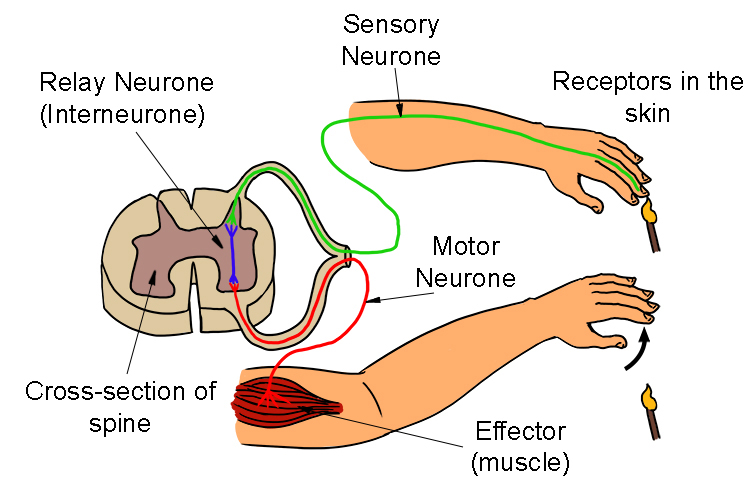
https://mammothmemory.net/images/user/base/uncategorised/1.31.28-relay-neurone-diagram-2.797dc7a.jpg (Erişim tarihi 27.11.2023)
Kristjan R Jessen. Glial cells, The International Journal of Biochemistry & Cell Biology, Volume 36, Issue 10,2004: 1861-1867
https://d1whtlypfis84e.cloudfront.net/guides/wp-content/uploads/2019/09/23061654/e99bc951-9ddc-4cda-bf44-c04e3d76.jpg (Erişim tarihi: 30.12.2023)
https://i.ytimg.com/vi/uAhOdnGH5bM/maxresdefault.jpg (erişim tarihi: 1.12.2023)
Pereda, A. Electrical synapses and their functional interactions with chemical synapses. Nat Rev Neurosci 15, 250–263 (2014).
Erdal Ağar. İnsan Fizyolojisi.İstanbul Tıp Kitapevleri,2021
Ganong W.F. Ganong Tıbbi Fizyoloji,Çeviri Türk Fizyolojik Bilimler Derneği,Nobel Tıp Kitapevleri, 20.Baskı;2015
https://www.physiopedia.com/images/c/c6/Meninges_diagram.jpg (Erişim tarihi: 30.11.2023)
Kandel, E. R., Schwartz, J. H., Jessell, T. M., et al. Principles of neural science (Vol. 4, pp. 1227-1246). New York: McGraw-hill.2000
Mark F. Bear, Barry W. Connors, Michael A. Paradiso Neuroscience: Exploring the Brain, Enhanced Edition: Exploring the Brain, Enhanced Edition Jones & Bartlett Learning. 2020
Koeppen MB, Stanton AS., Editors. Berne Levy Physiology. Philadelphia:Mosby Elsevier;2010
Indu Khurana. Medical Physiology for Undergraduate Students. Elsevier, New Delhi,2012
Chen I, Lui F. StatPearls [Internet]. StatPearls Publishing; Treasure Island (FL): Neuroanatomy, Neuron Action Potential. 2022.
Ashley K, Lui F. Physiology, Nerve. In: StatPearls [Internet]. Treasure Island (FL): StatPearls Publishing; 2023
https://psychology.stackexchange.com/questions/9173/explanatory-gaps-in-the-formation-and-propagation-of-action-potentials (Erişim Tarihi: 01.12.2023)
Goldstein, E. B. Sensation and perception. Wadsworth/Thomson Learning. 1989.
Mateos-Aparicio P, Rodríguez-Moreno A. The Impact of Studying Brain Plasticity. Front Cell Neurosci. 2019 Feb 27;13:66.